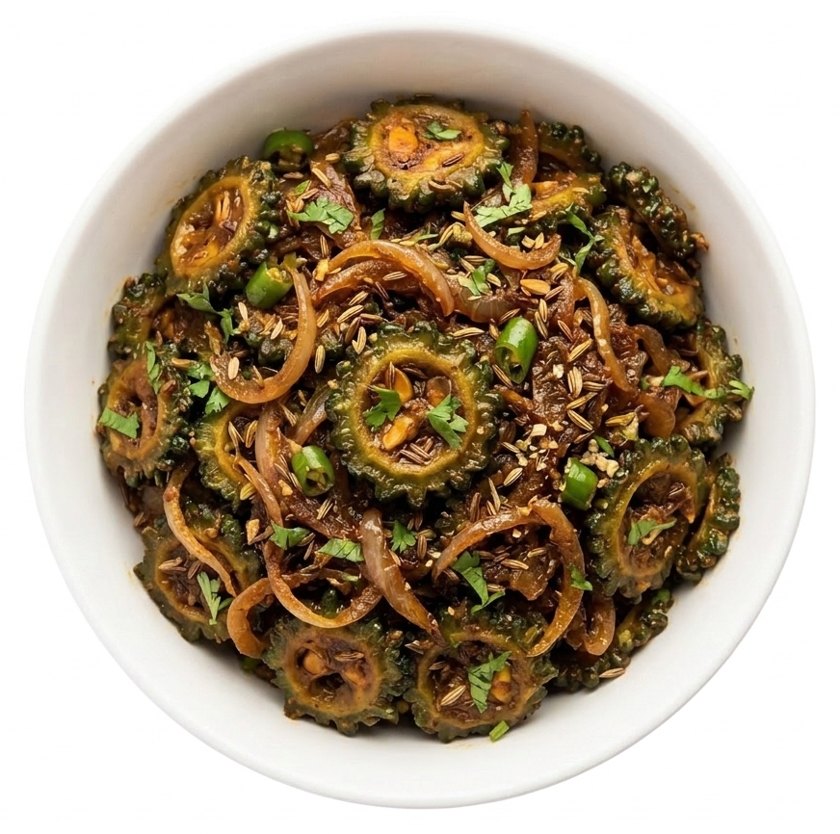
Punjabi Khatte Karele
A Punjabi-style bitter gourd dish in which onions, jaggery and tamarind soften the vegetable’s bitterness, leaving a sweet-sour, warmly spiced finish.
Whole spices for the oil
2.1 gAdded to the hot oil with the chilli (step 2)Ground spices for the sauce
8 gStirred in after the bitter gourd (step 5)Everything else


Method
- Put 40.5 g vegetable oil in a non-stick frying pan and set over medium heat.
- When the oil is hot, add the whole spices for the oil and 2 g green bird’s eye chilli and let them sizzle.
- Add 150 g onion and fry for 10–12 minutes, stirring often, until starting to soften.
- Add 310 g frozen bitter gourd, cover the pan and cook for 5 minutes, stirring once halfway through.
- Add the ground spices for the sauce and salt to taste, then stir well.
- Pour in 99.4 g water and add 21 g jaggery or light brown soft sugar; cover and cook for 8 minutes.
- Stir in 18 g tamarind paste and cook for 4 minutes more.
- Scatter chopped coriander leaf to taste over the dish before serving.
Don't have something?


 Peanut oil
Use 1:1 by weight. Handles high-heat frying identically and introduces a very subtle, pleasant nuttiness.
 Ghee
Use 1:1 by weight. Yields a much richer, authentic aroma and a glossy, heavier mouthfeel.
 Mustard oil
Use 1:1 by weight. Heat until smoking, then cool slightly before cooking to temper its intensely pungent, sharp mustard kick.


 Ground cumin
Use 70% of the weight; add with ground spices or sauce bases rather than hot oil tempering, where it scorches quickly and turns bitter.
 Black cumin seeds
Use equal weight for oil tempering. Delivers an earthy profile with an additional musky, smoky, and slightly bitter edge.
 Fennel seed
Use 60% of the weight for tempering; offers comparable warm aroma, but leans sweet and liquorice-like rather than savoury and earthy.


- Bird's eye green chilli
Use the same weight; heat and flavour are very close.
 Green chilli
Use 1.5 to 2 times the weight; deseed for less heat. Larger chillies are more watery.
 Fresh green chilli
Use 1.5 to 2 times the weight; chop finely and adjust heat by tasting.




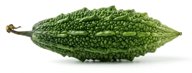
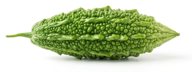 Small bitter gourd
Use the same weight; it is the same vegetable, usually a little milder. Scrape out the seeds and salt if needed.
 Courgette
Use the same weight; it gives no bitterness and more water, so salt and drain it briefly before cooking.
 Ridge gourd
Use the same weight; it is soft and mild, so the dish loses the bitter note entirely.


 Dried kashmiri chilli
Grind deseeded dried pods to an equal weight of powder; gives identical vivid red colour and gentle warmth.
 Red chilli powder
Use 25% of the weight mixed with sweet paprika for colour; straight red chilli powder is substantially hotter and will make the dish fiery.
 Chilli powder
Use one-third of the weight; the sauce will be less intensely red and notably sharper in heat.


 Ground ginger
Use 50% of the weight. Mimics turmeric's warm, earthy, rhizome background, but provides none of the golden-yellow colour.
 Saffron
Steep a tiny pinch (0.1 g per 2 g turmeric) in 2 tbsp warm water; use to match the rich golden hue. Contributes an aristocratic, honeyed floral flavour rather than earthy bitterness.



 Coriander seeds
Dry-roast lightly in a pan and grind to a fine powder; use equal weight (1:1). Offers a noticeably fresher, brighter citrus note.
- Ground cumin
Use 50% to 75% of the weight. Lacks the floral, citrusy profile of coriander and turns the gravy heavier, earthier, and darker.
 Garam masala
Use 50% of the weight and stir in near the end of cooking. Adds warmth and depth since it contains ground coriander, but introduces stronger spices like clove and cinnamon.


 Aniseed
Use 75% of the weight. Fry in hot oil or ghee; has a sharper, more pronounced liquorice flavour, so use a lighter hand.
 Ground fennel seed
Use 60% of the weight. Stir into the sauce with ground masalas; provides identical sweet aniseed flavour without whole seed crunch.
 Star anise
Use one point (single carpel) per 1 g of fennel seeds. Simmer in gravies and remove before serving; gives a deeper, woodier liquorice aroma.


 Stock
Use the same weight in savoury dishes; it adds body, so adjust salt.
 Milk
Use the same weight only in doughs or creamy dishes; it makes the result richer.
 Coconut water
Use the same weight in curries or rice; it adds sweetness and a faint coconut taste.


 Jaggery
Use the same weight, grated or chopped. It is deeper and more mineral, so the dish will taste stronger.
 Light brown sugar
Use the same weight. It is close in colour and mild molasses; dissolve fully.
- Dark brown sugar
Use 85–90% of the weight. It is stronger and darker, so reduce slightly and taste.


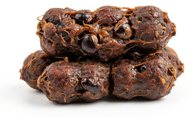 Tamarind pulp
Use 120–150% of the weight and strain; pulp is less concentrated, so simmer a little longer to thicken.
 Tamarind extract
Use 150–200% of the weight and reduce gently; extract is already diluted.
 Lime juice
Use 60–70% of the weight with a pinch of jaggery; sharper, so add near the end off the heat.


Similar dishes

- Same: Chooran ke Karele shares bitter gourd, fennel seeds, turmeric, chilli powder, salt and vegetable oil with this dish.
- Different: Chooran ke Karele is deep-fried and uses amchoor as its souring agent, while this dish is cooked with onions, water, jaggery and tamarind and lacks nigella seeds and whole coriander seeds.

- Same: Both are bitter gourd dishes that use tamarind with a sweetener, vegetable oil, cumin, fennel, turmeric and chilli powder.
- Different: Koorina Kakarkaya is hollowed and stuffed with a potato-carrot hash, poached and fried, then simmered in a mustard-tomato gravy with mustard seed, fenugreek, curry leaf, ginger, garlic, green chilli and lemon juice; this dish is not stuffed and has no mustard, tomato or lemon.
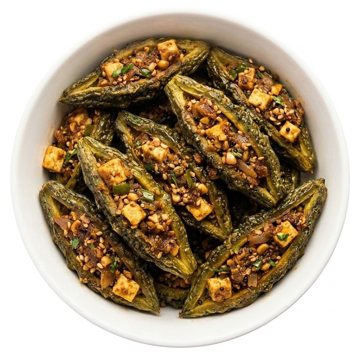
- Same: Bharwan Karele and this dish both use bitter gourd, onion, tamarind, jaggery, cumin seed, green chilli, turmeric, oil, coriander leaf and salt.
- Different: Bharwan Karele is stuffed with paneer, peanuts and sesame and slow-baked, and it adds ginger, garlic, garam masala, mustard seed and fenugreek seed; this dish is a onion-and-tamarind bitter gourd preparation with fennel seed and no paneer, peanuts or sesame.

- Same: Bhuni Mungphali and this dish both cook bitter gourd with onion, turmeric, tamarind, jaggery and vegetable oil.
- Different: Bhuni Mungphali adds dried coconut, garlic paste and gram flour and uses far more onion, while this dish adds cumin, fennel, ground coriander, green chilli, water and coriander leaf.