Indian cooking
Indian cooking / Dishes / Bhuni Mungphali
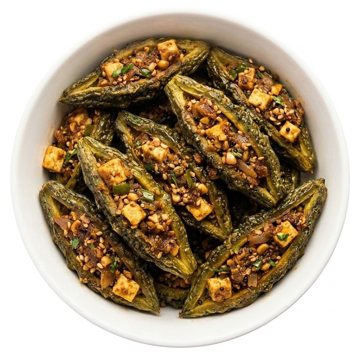
Bhuni Mungphali (Dry-fried Bitter Gourds)

Bhuni Mungphali

Dry-fried Bitter Gourds
Vegetarian●●●Origin Hyderabad/Andhra PradeshPrep 20 minutes, plus soaking timeCook 15 minutes

A savoury, sweet, and tangy dry stir-fry that tempers the bitter bite of gourds with caramelised onions, rich coconut, and tamarind.

Turmeric for the bitter gourds

0.8 gTossed with the bitter gourds before soaking (step 1)
01
0.8 g¼ teaspoon
spice
Keep ready to toss with the gourds.

Chilli garlic seasoning

10 gBlended with the coconut and gram flour (step 2)
Keep ready to combine with the coconut and flour.

Everything else

01
Bitter gourd · Karelapeeled and chopped into small pieces
500 g
vegetable
03
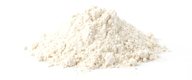
6 g1 tablespoon
flour
04
Dried coconut · Khopragrated or 4 tablespoons desiccated (dried flaked) coconut
120 g1 piece
nut/seed
05
40 g3 tablespoons
oil/fat
06
750 g5 onions
vegetable
07
Jaggery · Gurcrumbled, or soft brown sugar
7 g2 teaspoons
sweetener
08
to taste
salt

Method

  1. Place 500 g bitter gourds into a bowl with 15.6 g tamarind extract, salt to taste, and the turmeric for the bitter gourds. Toss thoroughly and leave to rest for 5 minutes. Firmly squeeze the gourds to press out and discard the bitter juices, then submerge them in fresh cold water for 10 minutes. Wring them out thoroughly once more and spread them onto a plate.
  2. In a small bowl, thoroughly combine the chilli garlic seasoning with 1 tablespoon gram flour, 120 g dried coconut, and salt to taste.
  3. Warm 40.5 g vegetable oil in a heavy-bottomed frying pan over medium heat. Sauté the bitter gourds for roughly 2 minutes until lightly coloured, then transfer them onto a plate with a slotted spoon.
  4. Add 750 g onion to the remaining oil in the pan and cook for roughly 5 minutes until pale golden. Return the bitter gourds and fry for 2 minutes. Stir in the spiced coconut mixture and fry for another 2 minutes, then mix in 2 teaspoon jaggery (or soft brown sugar) and cook for a final 3 to 4 minutes.

Don't have something?

Bitter gourd
  • Small bitter gourd

    Use the same weight; it is the same vegetable, usually a little milder. Scrape out the seeds and salt if needed.

  • Courgette

    Use the same weight; it gives no bitterness and more water, so salt and drain it briefly before cooking.

  • Ridge gourd

    Use the same weight; it is soft and mild, so the dish loses the bitter note entirely.

Ground turmeric
  • Ground ginger

    Use 50% of the weight. Mimics turmeric's warm, earthy, rhizome background, but provides none of the golden-yellow colour.

  • Saffron

    Steep a tiny pinch (0.1 g per 2 g turmeric) in 2 tbsp warm water; use to match the rich golden hue. Contributes an aristocratic, honeyed floral flavour rather than earthy bitterness.

Tamarind extract
  • Tamarind

    Use 180% of the weight of compressed tamarind; soak in three times its weight of boiling water for 15 minutes, knead, and strain out the thick pulp.

  • Dried mango powder

    Use 35% of the weight dissolved in two tablespoons of warm water. Provides sharp tang, though the resulting sauce will be lighter in colour.

  • Lemon juice

    Use equal weight, added right at the end of cooking. Adds sharp acidity without the deep brown hue or pulpy thickness.

Gram flour
  • Chickpea flour

    Use the same weight. Gram flour is chickpea flour, so this is an exact swap with the same nutty flavour and binding.

  • Plain flour

    Use about 75–80% of the weight, e.g. 80 g for 100 g gram flour, and add a pinch of turmeric for colour. Less nutty and less crisp; good only for thickening or simple batters.

  • Rice flour

    Use the same weight for crispness, but it does not bind like gram flour; mix with a little plain flour if making pakora batter.

Chilli powder
  • Red chilli powder

    Use 100% of the weight. Provides direct, sharp heat and red colour in equal measure.

  • Kashmiri chilli powder

    Use 150% to 200% of the weight if matching colour, but add a pinch of black pepper or hot chilli if you need equivalent fiery heat.

  • Cayenne pepper

    Use 75% to 100% of the weight. Offers a sharp, clean heat with slightly less earthy depth and less crimson colour.

Garlic paste
  • Garlic

    Use equal weight; crush or finely grate to a smooth pulp to replicate the same fresh, pungent moisture in your base gravy.

  • Garlic powder

    Use 20 to 25% of the weight; mix with a teaspoon of water before adding to oil so it does not burn, noting it lacks the fresh bite.

Dried coconut
  • Desiccated coconut

    Use equal weight; texture is much finer, so roast very cautiously over low heat if the recipe requires browning for spice pastes.

  • Fresh coconut

    Finely slice or grate and use 140% of the weight to offset the extra water, or dry-roast in a bare pan until moisture evaporates completely.

Vegetable oil
  • Peanut oil

    Use 1:1 by weight. Handles high-heat frying identically and introduces a very subtle, pleasant nuttiness.

  • Ghee

    Use 1:1 by weight. Yields a much richer, authentic aroma and a glossy, heavier mouthfeel.

  • Mustard oil

    Use 1:1 by weight. Heat until smoking, then cool slightly before cooking to temper its intensely pungent, sharp mustard kick.

Onion
  • Shallot

    Use equal weight, finely sliced. Shallots soften and brown faster, giving a slightly sweeter and more delicate base to curries.

  • Cabbage

    Use 80% of the weight, finely shredded and browned slowly with a pinch of asafoetida. Replicates the bulk and natural sweetness in gravies without allium.

Jaggery
  • Granulated sugar

    Use 80% of the weight. Granulated sugar is sweeter by weight, but gives a cleaner, one-dimensional sweetness that lacks jaggery's caramel, molasses depth.

  • Raisin

    Soak and blend into a paste; use 100% to 120% of the weight. Adds rich, natural, fruity sweetness with complex, dark molasses notes that thicken the gravy.


Similar dishes

Chooran ke Karele
Tangy Deep-fried Bitter Gourds
It is crisp and sharply tart from the mango powder rather than rich and slightly sweet from caramelised onions and coconut.
  • Same: Chooran ke Karele also prepares bitter gourd using vegetable oil, ground turmeric, chilli powder, and salt.
  • Different: It is deep-fried rather than stir-fried and uses amchoor and fennel seeds instead of tamarind, garlic paste, dried coconut, and onions.
Punjabi Khatte Karele
Bitter Gourd with Jaggery, Fennel Seeds and Tamarind
Punjabi Khatte Karele tastes more sweet-sour with warm fennel-cumin spice and less coconut richness than this dish.
  • Same: Punjabi Khatte Karele shares with this dish bitter gourd, onion, tamarind, jaggery, turmeric, chilli powder, vegetable oil and salt.
  • Different: Punjabi Khatte Karele adds cumin, fennel, green chilli, ground coriander and coriander leaf and uses water, while this dish uses dried coconut, gram flour and garlic paste and far more onion.
Koorina Kakarkaya
Stuffed Bitter Gourds in Mustard Sauce
Koorina Kakarkaya is saucier, sweeter, and more pungently spiced with mustard, tomato, and ginger, lacking the rich, nutty coconut flavour of this dish.
  • Same: Both dishes use bitter gourd cooked in vegetable oil with onions, garlic, turmeric, chilli, and tamarind extract for sourness.
  • Different: Instead of a dry stir-fry with dried coconut, Koorina Kakarkaya stuffs the gourds with a spiced potato hash and simmers them in a tomato gravy seasoned with mustard, fennel, fenugreek, and cumin seeds.
Bharwan Karele
Slow-cooked Stuffed Bitter Gourds
Bharwan Karele tastes nutty and creamy from paneer and peanuts, with warm garam masala and seed tempering plus tamarind-jaggery tangy sweetness, whereas this dish leans on caramelised onion and dried coconut.
  • Same: Bharwan Karele shares bitter gourd, tamarind, jaggery, onion, garlic, turmeric, vegetable oil, and salt with this dish.
  • Different: Bharwan Karele is stuffed with paneer, peanuts, sesame seeds, green chilli, ginger, and garam masala and is slow-baked, while this dish is a dry stir-fry with dried coconut and gram flour and has no paneer or peanuts.