
Chooran ke Karele
Crisp, deep-fried bitter gourd pieces tossed in a tangy, aromatic blend of mango powder and spices. It offers a punchy balance of tartness and earthy bitterness.
Whole spices
18 gFried in the hot oil (step 5)Ground spices
27 gStirred into the tempered oil (step 6)Everything else

Method
- Arrange 500 g bitter gourds on a tray, sprinkle generously with salt, and set aside for 30 minutes.
- Bring water to a boil in a pot, place a steamer basket over the top, and steam the bitter gourds for 10 minutes.
- Let the bitter gourds cool completely, chop them into bite-sized pieces, and remove and discard their seeds.
- Heat vegetable oil for deep-frying in a heavy-based pot to 180°C (350°F). Fry the bitter gourd pieces in batches for 1 to 2 minutes until crisp, then transfer to paper towels to drain.
- Transfer 3 tablespoons of the hot frying oil into a clean pan set over medium heat, add the whole spices along with 1 tsp nigella seeds and 3 tbsp coriander seeds, and fry for 1 minute until they begin to pop.
- Add the ground spices and season with salt to taste, stir-frying for roughly 1 minute until any lingering moisture has evaporated.
- Tumble the fried bitter gourds into the pan and mix thoroughly to coat them in the spices, then serve hot.
Don't have something?
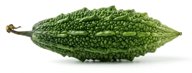
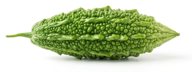 Small bitter gourd
Use the same weight; it is the same vegetable, usually a little milder. Scrape out the seeds and salt if needed.
 Courgette
Use the same weight; it gives no bitterness and more water, so salt and drain it briefly before cooking.
 Ridge gourd
Use the same weight; it is soft and mild, so the dish loses the bitter note entirely.


 Peanut oil
Use 1:1 by weight. Handles high-heat frying identically and introduces a very subtle, pleasant nuttiness.
 Ghee
Use 1:1 by weight. Yields a much richer, authentic aroma and a glossy, heavier mouthfeel.
 Mustard oil
Use 1:1 by weight. Heat until smoking, then cool slightly before cooking to temper its intensely pungent, sharp mustard kick.


 Black cumin seeds
Use equal weight. Imparts an earthy, slightly bitter note in temperings, though it lacks nigella's oniony sharpness.
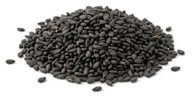 Black sesame seeds
Use equal weight. Gives a similar speckled appearance and light crunch on breads, but provides a nutty rather than herbaceous, onion-like flavour.


 Aniseed
Use 75% of the weight. Fry in hot oil or ghee; has a sharper, more pronounced liquorice flavour, so use a lighter hand.
 Ground fennel seed
Use 60% of the weight. Stir into the sauce with ground masalas; provides identical sweet aniseed flavour without whole seed crunch.
 Star anise
Use one point (single carpel) per 1 g of fennel seeds. Simmer in gravies and remove before serving; gives a deeper, woodier liquorice aroma.


 Ground coriander
Use 75% of the weight; stir in along with wet masala or tomato purée rather than frying in hot oil, as the fine powder burns instantly.
 Cumin seed
Use 50% of the weight for tempering in hot oil. Lacks the floral, sweet citrus flavour of coriander, introducing warm, pungent earthiness instead.
- Fennel seed
Use 50% of the weight in tempering; provides pleasant aromatic sweetness, though noticeably aniseedy rather than citrusy.


 Lemon juice
Use 15 g (1 tbsp) for every 5 g of amchoor. Stir in at the very end off the heat; adds liquid and fresh citrus aroma rather than dry fruity tang.
 Tamarind extract
Use 75% of the weight, dissolved in a splash of warm water. Simmer briefly; darkens the gravy and provides a deeper, caramelised sourness.


 Red chilli powder
Use 100% of the weight. Provides direct, sharp heat and red colour in equal measure.
 Kashmiri chilli powder
Use 150% to 200% of the weight if matching colour, but add a pinch of black pepper or hot chilli if you need equivalent fiery heat.
 Cayenne pepper
Use 75% to 100% of the weight. Offers a sharp, clean heat with slightly less earthy depth and less crimson colour.


 Ground ginger
Use 50% of the weight. Mimics turmeric's warm, earthy, rhizome background, but provides none of the golden-yellow colour.
 Saffron
Steep a tiny pinch (0.1 g per 2 g turmeric) in 2 tbsp warm water; use to match the rich golden hue. Contributes an aristocratic, honeyed floral flavour rather than earthy bitterness.


Similar dishes

- Same: Punjabi Khatte Karele shares bitter gourd, fennel seed, turmeric, chilli powder and vegetable oil with this dish.
- Different: Punjabi Khatte Karele adds onion, jaggery, tamarind paste, cumin, green bird’s eye chilli, water and coriander leaf, while this dish uses amchoor, nigella seeds and coriander seeds and is deep-fried.

- Same: Bhuni Mungphali also features bitter gourd cooked in vegetable oil and seasoned with chilli powder, turmeric, and salt.
- Different: Instead of being deep-fried with fennel seeds and amchoor, Bhuni Mungphali is stir-fried using tamarind extract, garlic paste, dried coconut, and a large amount of onions.

- Same: Both dishes feature bitter gourd cooked in vegetable oil and seasoned with fennel seeds, turmeric, and chilli powder.
- Different: Koorina Kakarkaya stuffs the gourds with a potato-and-onion hash before simmering them in a tomato, tamarind, and mustard seed gravy, whereas this dish simply tosses deep-fried pieces with dry amchoor.

- Same: Kurmo Pachadi and this dish both use amchoor as the souring agent, vegetable oil, nigella seeds, ground turmeric, chilli powder, and salt.
- Different: Kurmo Pachadi uses raw jackfruit as its main ingredient and adds mustard seed and ground cumin, while this dish uses bitter gourd with fennel and coriander seeds and is deep-fried rather than preserved in oil to mature over two weeks.