
Parsi Kaju Ma Murgi
A creamy Parsi chicken curry with a cashew-thickened gravy, gentle chilli heat and whole-spice aroma, finished with a little sugar and fresh coriander.
Chilli, cumin and fennel paste spices
21 gSoaked in step 1 and blended into the paste in step 3
Whole spices for the oil
1.9 gAdded to the hot oil in step 6Everything else

Method
- Put 15–18 g dried kashmiri chilli, deseeded, in one bowl and 50 g cashew nut in another. Cover each with warm water and leave for at least 30 minutes.
- Drain the chillies, keeping about 45 ml (3 tbsp) of the soaking water.
- Blend 18 g garlic, 10 g ginger, 2.1 g cumin seed, 4 g fennel seed and the drained chillies with the kept water to a coarse paste.
- Blend 50 g cashew nut with 45–75 ml (3–5 tbsp) of its soaking water to a smooth paste.
- Heat 27 g vegetable oil in a heavy saucepan over medium heat.
- Add the whole spices for the oil (0.3 g clove, 0.5 g bay leaf, 1.1 g green cardamom pod) and fry for a few seconds until they crackle.
- Add 180 g white onion and cook, stirring often, for 12–14 minutes until soft and lightly browned.
- Stir in the chilli, cumin and fennel paste spices and cook for 2–3 minutes.
- Add 900 g skinless chicken on the bone, jointed, and fry for 7–8 minutes, turning to coat and seal.
- Pour in 199 g water and add salt to taste. Cover and cook over low heat for 25–30 minutes.
- Uncover, add 8.4 g granulated sugar and the cashew paste. Simmer uncovered for 4–5 minutes until the chicken is cooked through and the gravy thickens.
- Scatter over 1.5 g coriander.
Don't have something?
 Kashmiri chilli powder
Use 1 g powder for every 1.5 g whole dried chilli; whisk with a spoonful of warm water and stir into the masala to provide identical ruby colour and mild heat.
 Dried red chilli
Use 35% to 40% of the weight; discard seeds before tearing into oil to temper. Delivers a much fiercer heat, with significantly less red colouring.


 Almond
Use 100% of the weight. Soak in boiling water and slip off skins before frying or grinding; gives a lighter, slightly less sweet richness to curries.
 Poppy seed
Use 60% of the weight for gravies. Soak in warm water and grind into a fine paste to thicken royal kormas without adding heavy oiliness.
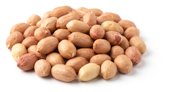 Shelled peanut
Use 100% of the weight. Roast, skin, and grind; creates a thicker, earthier texture typical of Maharashtrian and western Indian curries.



 Garlic paste
Use equal weight. Fry gently in oil or ghee with the ginger; incorporates smoothly into curries without visible minced bits.
 Garlic powder
Use 15% to 20% of the weight (about 1 g for every 5 to 6 g fresh cloves). Whisk into sauces; gives a savoury, toasted garlic flavour without raw pungency.
 Shallot
Use 1.5 times the weight, very finely minced. Sauté until golden; provides savoury allium sweetness, though it lacks garlic's pungent sulphur bite.


 Ginger paste
Use equal weight. Sauté in hot fat until the raw allium smell disappears; slightly wetter, but provides identical warmth and pungency.
 Ground ginger
Use 20% to 25% of the weight (1 g for every 4 to 5 g fresh). Stir into the gravy; adds peppery heat and warmth, though it misses the crisp, zesty kick of raw root.


 Ground cumin
Use 70% of the weight; add with ground spices or sauce bases rather than hot oil tempering, where it scorches quickly and turns bitter.
 Black cumin seeds
Use equal weight for oil tempering. Delivers an earthy profile with an additional musky, smoky, and slightly bitter edge.
 Fennel seed
Use 60% of the weight for tempering; offers comparable warm aroma, but leans sweet and liquorice-like rather than savoury and earthy.


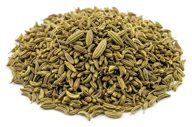 Aniseed
Use 75% of the weight. Fry in hot oil or ghee; has a sharper, more pronounced liquorice flavour, so use a lighter hand.
 Ground fennel seed
Use 60% of the weight. Stir into the sauce with ground masalas; provides identical sweet aniseed flavour without whole seed crunch.
 Star anise
Use one point (single carpel) per 1 g of fennel seeds. Simmer in gravies and remove before serving; gives a deeper, woodier liquorice aroma.


 Peanut oil
Use 1:1 by weight. Handles high-heat frying identically and introduces a very subtle, pleasant nuttiness.
 Ghee
Use 1:1 by weight. Yields a much richer, authentic aroma and a glossy, heavier mouthfeel.
 Mustard oil
Use 1:1 by weight. Heat until smoking, then cool slightly before cooking to temper its intensely pungent, sharp mustard kick.


 Ground cloves
Use 1 g ground for 4 g whole (or 1 small pinch per 2 to 3 whole cloves). Add with spice powders; disperses intense warmth quickly, so use with restraint.
 Allspice berries
Use 100% of the weight whole in tempering. Imparts a warm, clove-like aromatic profile combined with hints of nutmeg and cinnamon.
 Black cardamom pod
Use 1 pod for 3 to 4 cloves in whole tempering. Shares a camphor-like warmth and medicinal depth, though it introduces a distinct smoky undertone.


 Cinnamon stick
Use a 2 cm piece (about 1 g) for every 1 to 2 bay leaves. Fry in whole-spice temperings; provides the cassia-like warmth typical of Indian tejpatta.
 Ground cinnamon (cassia)
Use 0.5 g per leaf. Stir into the sauce during simmering; gives the same warm woodiness but darkens the colour slightly.


 Green cardamom seed
Use 35 to 40% of the total pod weight; lightly bruise the seeds before frying in oil to release their essential oils.
 Ground green cardamom
Use 20 to 25% of the pod weight (about 1 generous pinch per pod); stir in toward the end of cooking so the delicate floral notes do not dissipate.
 White cardamom pod
Use 1:1 by pod count or weight; crack gently before using, though it is slightly less intensely floral.


 Brown onion
Use the same weight; it is the closest everyday match, with a slightly deeper sweetness when fried.
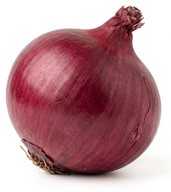 Red onion
Use the same weight; it is sharper and will tint the dish pink, so cook a little longer for sweetness.
- Shallot
Use the same weight; it is milder and sweeter, so reduce frying time slightly to avoid burning.


 Skinless bone-in chicken
Use the same weight; same ingredient and cooking time.
 Skinless bone-in chicken thigh and drumstick
Use the same weight; smaller pieces cook 5–10 minutes faster.
 Bone-in chicken
Use the same weight; remove the skin before cooking. Same result.


 Stock
Use the same weight in savoury dishes; it adds body, so adjust salt.
 Milk
Use the same weight only in doughs or creamy dishes; it makes the result richer.
 Coconut water
Use the same weight in curries or rice; it adds sweetness and a faint coconut taste.


 Jaggery
Use equal weight; grate or shave finely so it dissolves rapidly, giving a warm, caramel-like sweetness and slightly darker sauce.


 Coriander leaf
Use equal weight, chopped fresh and stirred in off the heat or used as garnish. Matches the citrus-herbal profile identically.
 Mint
Use 40% to 50% of the weight; chop finely and add at the very end. Adds fresh herbal brightness, but shifts the aroma toward cool menthol.


Similar dishes

- Same: Mangalorean Ghee Roast Chicken shares bone-in skinless chicken, Kashmiri chilli, cumin, fennel, garlic, ginger, onion, water and salt with this dish.
- Different: Mangalorean Ghee Roast Chicken uses a yoghurt and turmeric marinade, ghee, curry leaves, black peppercorn, coriander seeds, jaggery and lemon juice, while this dish uses vegetable oil, cashews, clove, bay leaf, green cardamom, sugar and fresh coriander.

- Same: Tamil Kodi Kura shares chicken on the bone, onion, garlic, ginger, vegetable oil, green cardamom, clove, bay leaf, Kashmiri chilli, cashew, coriander, salt and water with this dish.
- Different: It adds poppy seeds, coconut, tomato purée, green chilli, turmeric and cinnamon, and uses chilli powder instead of dried Kashmiri chillies, while this dish adds fennel, cumin and sugar and has no tomato or coconut; both use vegetable oil, but Tamil Kodi Kura thickens with a poppy-cashew-coconut paste and this dish with cashew.

- Same: Bengali Chicken Chaap shares cashew nuts, garlic, ginger, white onion, green cardamom, clove, bone-in chicken and coriander with this dish, and both make a creamy cashew-thickened curry with mild chilli.
- Different: Bengali Chicken Chaap adds poppy seeds, Greek yoghurt, saffron, mace and cinnamon and uses ghee or oil and chilli powder, while this dish uses vegetable oil, dried Kashmiri chilli, cumin, fennel, bay leaf and sugar and has no yoghurt, saffron or poppy; it marinates the chicken in saffron-yoghurt and uses a cashew-poppy paste, whereas this dish builds a cashew-thickened gravy with whole spices.

- Same: Rajasthani Khade Masale Ka Murgh shares this dish’s 900 g skinless bone-in chicken, onion, garlic, ginger, cumin seed, clove, bay leaf, coriander and vegetable oil.
- Different: Rajasthani Khade Masale Ka Murgh has tomato, green bird’s-eye chilli, black peppercorn, black cardamom, cassia bark and garam masala and more oil, and it lacks this dish’s cashew, water, sugar, fennel, green cardamom and dried Kashmiri chilli, so it is cooked dry rather than as a cashew-thickened curry.