Indian cooking
Indian cooking / Dishes / Parsi Fish Patia
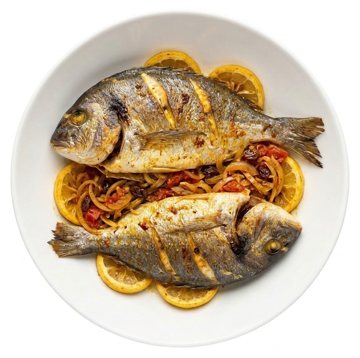
Parsi Fish Patia (Fish Cooked with Tomato, Chilli, Vinegar and Coriander)

Parsi Fish Patia

Fish Cooked with Tomato, Chilli, Vinegar and Coriander
Non-vegetarianOrigin West

Parsi fish patia is cod simmered in a sweet-sour tomato gravy with chilli, vinegar and warm spices. The sauce is tangy and lightly sweet, with tender fish and a fresh coriander finish.

Turmeric marinade

3 gTossed with the fish and lime juice (step 1)
01
3 g1 teaspoon
spice
Rub into the fish with the lime juice.

Chilli paste spice

2.6 gBlended with garlic and vinegar (step 2)
Blend with the garlic and vinegar to a smooth paste.

Masala for the sauce

8 gStirred into the tomato base (step 7)
01
5 g1 tablespoon
spice
02
2.6 g1 teaspoon
spice
Stir together before adding.

Everything else

01
Cod filletskinless, cut into bite-size cubes
600 g
fish
02
25 g½ lime
fruit
03
18 g6 cloves
aromatic
04
45 g3 tablespoons
souring agent
05
Tomato · Tamatarroughly chopped
175 g
vegetable
06
31 g2 tablespoons
vegetable
07
40 g3 tablespoons
oil/fat
08
Onion · Pyazfinely chopped
250 g
vegetable
09
11 g1 tablespoon
sweetener
10
to taste
herb
11
to taste
salt

Method

  1. Toss 600 g cod cubes with 3 g ground turmeric and the juice of 25 g lime. Leave to sit.
  2. Blend 18 g garlic, 2.6 g kashmiri chilli powder and 45 g malt vinegar until smooth. Scrape into a small bowl.
  3. Blend 175 g roughly chopped tomato with 31.2 g tomato purée until smooth.
  4. Warm 40.5 g vegetable oil in a heavy pan on low heat. Cook 250 g finely chopped onion for 20–25 minutes, stirring often, until soft and lightly golden.
  5. Stir in the chilli paste and cook for 2 minutes.
  6. Add the tomato mixture and cook for 6 minutes, stirring often.
  7. Stir in the masala for the sauce. Add 10.8 g jaggery and stir.
  8. Add salt to taste and simmer for 2 minutes.
  9. Add the cod with its marinade. Cover and cook for 8–10 minutes, until the fish is opaque and cooked through, stirring once halfway.
  10. Take the pan off the heat. Scatter over chopped coriander leaf to taste.

Don't have something?

Cod fillet
  • Cod

    Use the same weight and cut into fillet-sized pieces. Cooking time depends on thickness.

  • Haddock

    Use the same weight. Firmer and stronger; if smoked, reduce added salt.

  • Hake fillet

    Use the same weight. Softer, so cook gently and 1–2 minutes less.

Ground turmeric
  • Ground ginger

    Use 50% of the weight. Mimics turmeric's warm, earthy, rhizome background, but provides none of the golden-yellow colour.

  • Saffron

    Steep a tiny pinch (0.1 g per 2 g turmeric) in 2 tbsp warm water; use to match the rich golden hue. Contributes an aristocratic, honeyed floral flavour rather than earthy bitterness.

Lime
  • Lemon

    Use the same weight; sharper and less floral, so reduce any extra souring slightly.

  • Lemon juice

    Use about 30 g juice per lime (2 tbsp), strain pips; add at the end for fresh sourness.

  • Dried mango powder

    Use 1 g amchoor for about 15 g lime juice; add early with spices; gives dry mango sourness, not citrus aroma.

Garlic
  • Garlic paste

    Use equal weight. Fry gently in oil or ghee with the ginger; incorporates smoothly into curries without visible minced bits.

  • Garlic powder

    Use 15% to 20% of the weight (about 1 g for every 5 to 6 g fresh cloves). Whisk into sauces; gives a savoury, toasted garlic flavour without raw pungency.

  • Shallot

    Use 1.5 times the weight, very finely minced. Sauté until golden; provides savoury allium sweetness, though it lacks garlic's pungent sulphur bite.

Kashmiri chilli powder
  • Dried kashmiri chilli

    Grind deseeded dried pods to an equal weight of powder; gives identical vivid red colour and gentle warmth.

  • Red chilli powder

    Use 25% of the weight mixed with sweet paprika for colour; straight red chilli powder is substantially hotter and will make the dish fiery.

  • Chilli powder

    Use one-third of the weight; the sauce will be less intensely red and notably sharper in heat.

Malt vinegar
  • White malt vinegar

    Use the same weight; sharper and clearer; reduce salt slightly.

  • White vinegar

    Use 90% of the weight, diluted with 10% water; harsher, so taste.

  • Lime juice

    Use the same weight; fresher sourness but no malt flavour; reduce salt.

Tomato
  • Tomato purée

    Use 40% to 50% of the fresh tomato weight mixed with a splash of water. Imparts a deeper red colour, thicker sauce, and slightly sweeter cooked flavour.

  • Plain yogurt

    Use 60% of the weight, whisked smooth and added on low heat. Provides rich body and sourness, though the gravy becomes paler and creamier.

Tomato purée
  • Tomato

    Use 200% to 250% of the weight. Finely grate or blend fresh tomatoes, then cook them down until the moisture evaporates and the oil separates.

Vegetable oil
  • Peanut oil

    Use 1:1 by weight. Handles high-heat frying identically and introduces a very subtle, pleasant nuttiness.

  • Ghee

    Use 1:1 by weight. Yields a much richer, authentic aroma and a glossy, heavier mouthfeel.

  • Mustard oil

    Use 1:1 by weight. Heat until smoking, then cool slightly before cooking to temper its intensely pungent, sharp mustard kick.

Onion
  • Shallot

    Use equal weight, finely sliced. Shallots soften and brown faster, giving a slightly sweeter and more delicate base to curries.

  • Cabbage

    Use 80% of the weight, finely shredded and browned slowly with a pinch of asafoetida. Replicates the bulk and natural sweetness in gravies without allium.

Ground coriander
  • Coriander seeds

    Dry-roast lightly in a pan and grind to a fine powder; use equal weight (1:1). Offers a noticeably fresher, brighter citrus note.

  • Ground cumin

    Use 50% to 75% of the weight. Lacks the floral, citrusy profile of coriander and turns the gravy heavier, earthier, and darker.

  • Garam masala

    Use 50% of the weight and stir in near the end of cooking. Adds warmth and depth since it contains ground coriander, but introduces stronger spices like clove and cinnamon.

Ground cumin
  • Cumin seed

    Dry-roast briefly and grind finely; use equal weight (1:1). Imparts an even punchier, nuttier, toasty aroma than pre-ground cumin.

  • Ground coriander

    Use equal weight (1:1). Adds mild, lemony sweetness rather than cumin's smoky, earthy bite; curries will taste lighter and less savoury.

  • Black cumin seeds

    Grind finely; use 60% to 75% of the weight. Produces a darker, more complex, smoky-herbal flavour suited to rich gravies.

Jaggery
  • Granulated sugar

    Use 80% of the weight. Granulated sugar is sweeter by weight, but gives a cleaner, one-dimensional sweetness that lacks jaggery's caramel, molasses depth.

  • Raisin

    Soak and blend into a paste; use 100% to 120% of the weight. Adds rich, natural, fruity sweetness with complex, dark molasses notes that thicken the gravy.

Coriander leaf
  • Coriander

    Use equal weight finely chopped; this is the exact same fresh herb.

  • Mint

    Use half the weight finely chopped; provides vibrant green freshness, though the flavour profile becomes noticeably cooler and sharper.

Similar dishes

Bharleli Paplet
Spicy Bream Stuffed with Onions, Garlic & Tomatoes
Bharleli Paplet eats rich, tangy and gently spicy with crisp roasted skin and raisin sweetness, while this dish has a tangy, lightly sweet tomato gravy and tender cod with fresh coriander.
  • Same: Bharleli Paplet shares fish, turmeric, Kashmiri chilli powder, ground coriander, garlic, tomato purée, vegetable oil and salt with this dish.
  • Different: Bharleli Paplet is whole sea bream stuffed with onion, tomato and raisin filling and roasted for crisp skin, while this dish is cod fillet simmered in a vinegar-and-jaggery tomato gravy with cumin and lime.
Kerala Thakkali Meen Kari
Soupy Spiced Tomato and Fish Curry with Garlic, Chilli, Lime and Curry Leaves
Kerala Thakkali Meen Kari tastes thinner, sharper and more lime-forward with curry-leaf and mustard notes, while this dish is a thicker, lightly sweet-sour tomato gravy with vinegar.
  • Same: Kerala Thakkali Meen Kari shares tomato, onion, garlic, Kashmiri chilli powder, ground coriander, turmeric, lime and coriander leaf with this dish.
  • Different: It uses monkfish and coconut oil instead of cod and vegetable oil, and adds black mustard seed, curry leaves, ginger and water for a soupy curry, while this dish uses malt vinegar, jaggery and ground cumin and has no added water.
Punjabi Machhli
Fish Cooked in a Turmeric, Chilli, Cumin and Kasoori Methi
Punjabi Machhli tastes tangy, gently spicy and aromatic from cumin and kasoori methi, with less sweetness and no vinegar-jaggery sweet-sour balance compared with this dish.
  • Same: Punjabi Machhli shares cod, turmeric, Kashmiri chilli powder, ground coriander, garlic, tomato, vegetable oil, onion and salt with this dish, and both simmer fish in an onion-tomato gravy.
  • Different: Punjabi Machhli adds ginger, cumin seed, mustard oil, green bird’s eye chilli, kasoori methi and water, while it lacks this dish’s lime, malt vinegar, tomato purée and jaggery; it uses 150 g white onion and 650 g fish versus 250 g onion and 600 g cod here.
Assamese Masor Tenga
Soupy Fish Stew with Nigella Seeds, Bamboo Shoots, Lime and Coriander
It tastes lighter and soupier, with lime sourness, nigella and bamboo-shoot notes, and less tomato-vinegar tang than this dish.
  • Same: Assamese Masor Tenga shares fish, vegetable oil, onion, tomato, turmeric, Kashmiri chilli, ground coriander, jaggery, lime and coriander leaf with this dish.
  • Different: It uses sea bream and adds nigella seeds, bamboo shoots, water, ginger and fennel seed, while this dish uses cod and adds garlic, malt vinegar and tomato purée in a thicker gravy.