Indian cooking
Indian cooking / Dishes / Paneer Pasanda
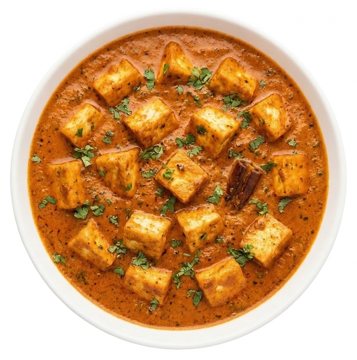
Paneer Pasanda (Stuffed Paneer in a Spicy Tomato Sauce)

Paneer Pasanda

Stuffed Paneer in a Spicy Tomato Sauce
Vegetarian●●●Origin AwadhPrep 30 minutesCook 25–30 minutes

Crisp batter-fried paneer sandwiches filled with nuts, dried fruit, and tangy pickle, smothered in a rich, velvety tomato and cashew gravy.

Batter spice

2.6 gWhisked into the batter in step 3
01
2.6 g1 teaspoon
spice
Combine with the flours and salt.

Ginger-garlic paste

31 gAdded to the hot ghee in step 5
Weigh together into a small bowl to fry first.

Sauce chilli powder

2.6 gStirred into the pan in step 5
01
2.6 g1 teaspoon
spice
Keep ready to tip into the hot aromatics.

Finishing spice

2.6 gSprinkled into the sauce in step 7
01
2.6 g1 teaspoon
spice blend
Stir in towards the end of cooking.

Everything else

02
to taste
oil/fat
03
Mint · Pudinato garnish
~1 g1 sprig
herb
05
9 g1 tablespoon
fruit
06
18 g2 tablespoons
nut/seed
10
~0.3 gpinch
salt
11
100 g
oil/fat
12
Green chilli · Hari Mirchde-seeded and chopped
24 g4 chillies
vegetable
13
250 g
vegetable
15
to taste
salt

Method

  1. Slice 500 g paneer into pieces roughly 1 cm (½ in) wide and 4 cm (1½ in) thick to make 16 even pieces.
  2. Boil 100 g mixed vegetables in a pan of water for 10 minutes until tender, then drain and mince finely. Transfer to a bowl and mix with 1 tablespoon chopped raisins, 2 tablespoon broken cashew nuts, and 50 g chopped mixed pickle. Divide into 8 equal mounds and press each between two slices of paneer.
  3. Whisk 150 g chickpea flour, 50 g plain flour, 0.3 g salt, and the batter spice with enough cold water to form a smooth, heavy batter.
  4. Pour vegetable oil into a deep pan or kadhai and bring it to 180°C (350°F). Submerge the stuffed paneer parcels in batter, then lower them into the hot oil in batches and fry for 2 minutes until pale golden. Lift out using a slotted spoon and drain on paper towels.
  5. Melt 100 g ghee in a heavy pan over medium heat. Tip in the ginger-garlic paste and fry for 1 minute. Add the sauce chilli powder along with 24 g chopped green chillies and cook for 30 seconds.
  6. Pour in 250 g puréed tomato and cook for 2 to 3 minutes until oil begins separating from the sauce. Stir in 3 tablespoon fried onion paste, 250 ml water, and salt to taste. Bring to a rolling boil, then lower the heat and simmer for 10 minutes until the volume reduces by two-thirds.
  7. Stir in 31.2 g cashew paste and simmer for 2 minutes until oil beads on the surface again. Season with additional salt if needed and stir in the finishing spice. Add the fried paneer parcels, warm through for 1 minute, and serve garnished with 1 g mint.

Don't have something?

Paneer
  • Extra-firm tofu

    Use equal weight, pressed well to remove excess moisture and cut into cubes. Pan-fry lightly before adding; absorbs sauces similarly, though it lacks dairy sweetness.

  • Halloumi

    Use equal weight, soaked in warm water for 20 minutes to leach out excess salt. Holds shape during frying, but has a denser, saltier chew.

Vegetable oil
  • Peanut oil

    Use 1:1 by weight. Handles high-heat frying identically and introduces a very subtle, pleasant nuttiness.

  • Ghee

    Use 1:1 by weight. Yields a much richer, authentic aroma and a glossy, heavier mouthfeel.

  • Mustard oil

    Use 1:1 by weight. Heat until smoking, then cool slightly before cooking to temper its intensely pungent, sharp mustard kick.

Mint
  • Dried mint

    Use about 30% of the weight of fresh mint. Rub between your palms to crush before stirring in; the flavour will be more intensely herbal and less bright.

  • Coriander leaf

    Use equal weight, finely chopped. Adds fresh citrusy green notes, but lacks the cooling menthol lift.

Mixed vegetables
  • Mixed seasonal vegetables

    Use the same weight; cut into even pieces and adjust cooking time by what is in season.

  • Cauliflower

    Use the same weight with carrot or green bean if possible; cut small and allow 5–8 minutes extra cooking.

  • Frozen peas

    Use the same weight; they cook fast, so add in the last 5 minutes and adjust salt.

Raisin
  • Dried plum

    Use equal weight, pitted and finely chopped. Lends a deeper, slightly more tart sweetness to curries and rice dishes.

  • Cashew nut

    Use equal weight. Fry lightly in ghee until golden; substitutes the burst of sweetness with a rich, buttery crunch.

  • Jaggery

    Use 30% of the weight, finely grated. Dissolve straight into the sauce to match the intended sweetness, though without the fruity chew.

Cashew nut
  • Almond

    Use 100% of the weight. Soak in boiling water and slip off skins before frying or grinding; gives a lighter, slightly less sweet richness to curries.

  • Poppy seed

    Use 60% of the weight for gravies. Soak in warm water and grind into a fine paste to thicken royal kormas without adding heavy oiliness.

  • Shelled peanut

    Use 100% of the weight. Roast, skin, and grind; creates a thicker, earthier texture typical of Maharashtrian and western Indian curries.

Mixed pickle
  • Pickle

    Use the same weight; check salt and oil, as brands vary, and adjust the dish at the end.

  • Mango pickle

    Use the same weight; it is sharper and more sour, so reduce lemon or tamarind in the dish.

  • Pickle paste with oil

    Use the same weight; it mixes in more evenly but can be saltier, so taste before adding salt.

Chickpea flour
  • Yellow split pea flour

    Use 100% of the weight. Many commercial gram flours are milled from split peas; performs identically in pakora batters and kadhi.

  • Cornstarch

    For crisping batters or binding cutlets: use 50% to 60% of the weight. Produces a very crisp shell but lacks the earthy, roasted nutty flavour of besan.

Rice flour
  • Cornflour

    Use about 60–70% of the weight for thickening; for coatings use the same weight but the crust is denser.

  • Plain flour

    Use the same weight for coatings; contains gluten, browns faster and is less crisp.

  • Fine semolina

    Use the same weight for crisp coatings; coarser texture and needs a short rest.

Chilli powder
  • Red chilli powder

    Use 100% of the weight. Provides direct, sharp heat and red colour in equal measure.

  • Kashmiri chilli powder

    Use 150% to 200% of the weight if matching colour, but add a pinch of black pepper or hot chilli if you need equivalent fiery heat.

  • Cayenne pepper

    Use 75% to 100% of the weight. Offers a sharp, clean heat with slightly less earthy depth and less crimson colour.

Ghee
  • Unsalted butter

    Use 120% of the weight; melt gently over low heat to avoid burning the milk solids, which will yield a softer, creamier richness rather than a nutty aroma.

  • Vegetable oil

    Use 85% of the weight; holds high cooking temperatures without smoking, but the final dish will lack traditional dairy depth.

  • Mustard oil

    Use equal weight; heat to smoking point and cool slightly before cooking, bearing in mind it introduces an assertive, pungent edge.

Ginger paste
  • Fresh ginger

    Use equal weight; peel and grate very finely on a microplane or pound to a fine paste in a mortar.

  • Ginger

    Use equal weight; mince finely and crush with the flat of a knife before frying.

  • Ground ginger

    Use 20% of the weight; add directly with the dry spice powders, though it yields an earthier, less pungent profile.

Garlic paste
  • Garlic

    Use equal weight; crush or finely grate to a smooth pulp to replicate the same fresh, pungent moisture in your base gravy.

  • Garlic powder

    Use 20 to 25% of the weight; mix with a teaspoon of water before adding to oil so it does not burn, noting it lacks the fresh bite.

Green chilli
  • Chilli powder

    Use 10 to 15% of the weight (about 1/4 teaspoon per chilli); imparts dry pungent heat and reddens the dish without the grassy crunch.

  • Dried red chilli

    Use 1 dried pod per fresh green chilli; snap in half and temper in hot oil for a deeper, toastier heat.

Tomato
  • Tomato purée

    Use 40% to 50% of the fresh tomato weight mixed with a splash of water. Imparts a deeper red colour, thicker sauce, and slightly sweeter cooked flavour.

  • Plain yogurt

    Use 60% of the weight, whisked smooth and added on low heat. Provides rich body and sourness, though the gravy becomes paler and creamier.

Fried onion paste
  • Fried onions

    Blend the same weight with 1–2 tablespoons water to a smooth paste; add only enough water to grind.

  • Onion paste

    Fry the same weight in oil until deep golden, then mash or blend; cook a little longer to remove the raw taste.

  • Boiled onion paste

    Fry the same weight in oil until golden before use; it will be wetter, so cook until the oil separates.

Cashew paste
  • Cashew nut

    Use 100% of the weight. Soak raw cashews in boiling water for 20 minutes, then blend with just enough water to form a silky, thick paste.

  • Almond

    Use 100% of the weight. Blanch, peel skins completely, and blend with warm water until velvety; gravies will be marginally less sweet.

  • Single cream

    Use 80% of the weight. Stir in near the end of cooking over low heat; provides luxurious gloss and fat without the nut solids.

Garam masala
  • Ground cumin

    Use 50% of the weight mixed with equal parts ground coriander and a pinch of ground cinnamon, ground cloves, and ground green cardamom. Sprinkle near the end for a warming finish.


  • Lentil stew spice mix

    Use 75% of the weight. Simmer briefly in the gravy; imparts roasted warmth and complexity, though it adds a slight tang and earthy lentil undertone.

Similar dishes

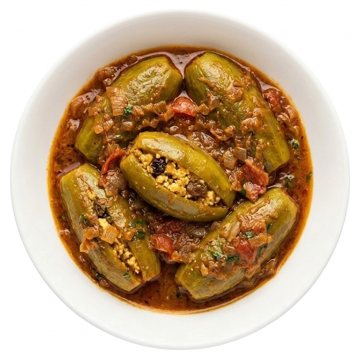
Potoler Dolma
Wax Gourd Curry
Potoler Dolma tastes more pungent and earthy from the mustard oil and cumin seeds, while this dish is richer and creamier from the cashew paste and ghee.
  • Same: Both dishes combine paneer and dried fruit in a spiced tomato gravy seasoned with ginger, garlic, chilli powder, and garam masala.
  • Different: Potoler Dolma stuffs wax gourds with crumbled paneer and simmers them in mustard oil, whereas this dish batter-fries stuffed paneer sandwiches and uses ghee and cashew paste.
Lehsuni Paneer Tikka
Garlic-flavoured Paneer
Lehsuni Paneer Tikka tastes tangier, smoky, and intensely garlicky, without the rich, sweet nuttiness of the cashew-based sauce in this dish.
  • Same: Both dishes use stuffed paneer cooked with chickpea flour, garlic, chilli powder, garam masala, and oil or ghee.
  • Different: Instead of batter-frying the paneer and simmering it in a tomato and cashew gravy, Lehsuni Paneer Tikka marinates the cheese in yogurt, vinegar, ajwain, and turmeric before grilling it dry.
Achari Paneer
Paneer in Pickling Spices
Achari Paneer is tart and fragrant from pickling seeds and yogurt, while this dish is richer and heavier from fried stuffed paneer and tomato-cashew gravy.
  • Same: Achari Paneer and this dish both use paneer, chilli powder, garam masala, ginger paste, garlic paste, green chilli, and salt in a gravy.
  • Different: Achari Paneer uses yogurt, amchoor, mustard, fennel, nigella, cumin, fenugreek, onion, and green bell pepper with vegetable oil, while this dish uses a chickpea-and-rice-flour batter, a nut-dried-fruit-pickle stuffing, and a tomato-cashew gravy with ghee.
Paneer Makhani
Paneer in Creamy Tomato Sauce
Paneer Makhani is creamy, buttery, mildly sweet, and tangy with fenugreek, while this dish is spicier and tangier from pickle and tomato-cashew gravy with crisp stuffed paneer.
  • Same: Paneer Makhani and this dish both pair paneer with a tomato gravy seasoned with chilli powder, garam masala, and ginger-garlic paste.
  • Different: Paneer Makhani uses butter, cream, sugar, cardamom, poppy seed, bay leaf, clove, cinnamon, and kasuri methi, while this dish uses a chickpea-and-rice-flour batter, a nut-raisin-pickle filling, ghee, fried onion paste, and cashew paste.