Indian cooking
Indian cooking / Dishes / Nargisi Seekh Kebab
Nargisi Seekh Kebab (Vegetable & Egg Skewers)

Nargisi Seekh Kebab

Vegetable & Egg Skewers
Non-vegetarian●●●Origin AwadhPrep 30 minutes, plus cooling timeCook 15 minutes

These vegetarian seekh kebabs combine grated paneer, potato, and fresh vegetables seasoned with fragrant herbs and spices. Threaded onto skewers and grilled, they have a tender interior and a crisp, smoky exterior.

kebab seasonings

31 gMixed into the kebab mixture (step 4)
Keep together to mix into the vegetables.

Everything else

01
300 g
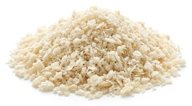
vegetable
02
15 g
herb
04
300 g
dairy
05
50 g1 egg
egg
06
20 g2 tablespoons
vegetable
07
23 g2 tablespoons
vegetable
08
18 g2 tablespoons
vegetable
10
60 g
vegetable
11
22 g2½ tablespoons
aromatic
12
20 g2 tablespoons
vegetable
13
60 g
nut/seed
14
Breadcrumbfor binding
5–10 g1–2 tablespoons
other
15
to taste
salt

Method

  1. Boil 300 g potato, unpeeled in a pan of boiling water for about 15 minutes until tender yet firm, then drain, cool, peel, and grate.
  2. Warm a dry skillet over medium heat and toast 15 g mint and 15 g curry leaf for roughly 1 minute until fragrant, then take off the heat.
  3. Heat a charcoal grill, broiler, or tandoor to a moderate heat.
  4. In a large bowl, combine the grated potato, 300 g paneer, the kebab seasonings, toasted mint and curry leaves, 1 egg, 2 tablespoon onion, 2 tablespoon tomato, 2 tablespoon red pepper, 20 g coriander leaf, 60 g carrot, 2.5 tablespoon garlic, 19.8 g green chilli, 1 tablespoon white pepper, 0.25 teaspoon cardamom, 0.25 teaspoon mace, 1 tablespoon chaat masala, 1 tablespoon breadcrumbs, and salt to taste, mixing thoroughly until evenly bound.
  5. Shape the mixture into 16 equal balls. Using damp hands, press each portion along metal skewers to form 10 cm cylinders, leaving roughly 5 cm between kebabs.
  6. Grill under the broiler or over the charcoal embers for 6 to 8 minutes, rotating as needed until evenly browned and cooked through.

Don't have something?

Potato
  • Eggplant

    Use equal weight. Cut into large chunks; cooks down much faster (10-12 minutes) and softens into the sauce rather than staying starchy and firm.

  • Paneer

    Use 80% of the weight. Cube and add in the last 5-10 minutes of cooking; adds rich dairy protein instead of starchy bulk.

  • Dried chickpea

    Use 45% dry weight. Soak overnight and boil until fully soft before stirring into the sauce to simmer for 10 minutes.

Mint
  • Dried mint

    Use about 30% of the weight of fresh mint. Rub between your palms to crush before stirring in; the flavour will be more intensely herbal and less bright.

  • Coriander leaf

    Use equal weight, finely chopped. Adds fresh citrusy green notes, but lacks the cooling menthol lift.

Curry leaf
  • Bay leaf

    Fry 1 bay leaf for every 5 curry leaves in hot oil; imparts a warm, woodsy background note, but misses the citrus-sulphury punch entirely.

  • Lime juice

    Add a small squeeze (about 5 ml per sprig of curry leaves) right before serving; provides sharp citrus top notes without the toasty, herbal aroma.

Paneer
  • Extra-firm tofu

    Use equal weight, pressed well to remove excess moisture and cut into cubes. Pan-fry lightly before adding; absorbs sauces similarly, though it lacks dairy sweetness.

  • Halloumi

    Use equal weight, soaked in warm water for 20 minutes to leach out excess salt. Holds shape during frying, but has a denser, saltier chew.

Egg
  • Chickpea flour

    For binding, use about 10 g chickpea flour mixed with 20 ml water per egg and rest for 10 minutes. Denser and nuttier; not suitable for baking or coating in the same way.

  • Full-fat natural yoghurt

    Use about 30 g per egg for moisture and binding in koftas or fillings. Adds tang and softness; will not set or glaze like egg.

  • Tofu

    Use the same weight, mashed, for egg-like bulk in curries. Soft and bland; add extra spices and do not expect it to bind.

Garlic paste
  • Garlic

    Use equal weight; crush or finely grate to a smooth pulp to replicate the same fresh, pungent moisture in your base gravy.

  • Garlic powder

    Use 20 to 25% of the weight; mix with a teaspoon of water before adding to oil so it does not burn, noting it lacks the fresh bite.

Onion
  • Shallot

    Use equal weight, finely sliced. Shallots soften and brown faster, giving a slightly sweeter and more delicate base to curries.

  • Cabbage

    Use 80% of the weight, finely shredded and browned slowly with a pinch of asafoetida. Replicates the bulk and natural sweetness in gravies without allium.

Tomato
  • Tomato purée

    Use 40% to 50% of the fresh tomato weight mixed with a splash of water. Imparts a deeper red colour, thicker sauce, and slightly sweeter cooked flavour.

  • Plain yogurt

    Use 60% of the weight, whisked smooth and added on low heat. Provides rich body and sourness, though the gravy becomes paler and creamier.

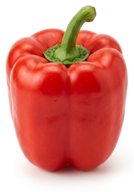
Red bell pepper
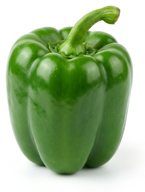
  • Bell pepper

    Use the same weight; any colour works. Slightly less sweet if green.

  • Yellow bell pepper

    Use the same weight; similar sweetness and texture, only colour changes.

  • Tomato

    Use the same weight; it is softer and more acidic, so reduce other souring agents. Good for body, not crunch.

Coriander leaf
  • Coriander

    Use equal weight finely chopped; this is the exact same fresh herb.

  • Mint

    Use half the weight finely chopped; provides vibrant green freshness, though the flavour profile becomes noticeably cooler and sharper.

Carrot
  • Turnip

    Use the same weight; peel and cut as for carrot. It is less sweet and slightly peppery, so add a pinch of sugar and expect a softer, more earthy result.

  • Potato

    Use the same weight; cut into similar pieces and add 5–10 minutes' extra cooking. It gives bulk but no carrot sweetness or colour.

  • Courgette

    Use the same weight; cut a little larger and add near the end. It releases water, so reduce other liquid slightly and expect a softer texture.

Garlic
  • Garlic paste

    Use equal weight. Fry gently in oil or ghee with the ginger; incorporates smoothly into curries without visible minced bits.

  • Garlic powder

    Use 15% to 20% of the weight (about 1 g for every 5 to 6 g fresh cloves). Whisk into sauces; gives a savoury, toasted garlic flavour without raw pungency.


  • Shallot

    Use 1.5 times the weight, very finely minced. Sauté until golden; provides savoury allium sweetness, though it lacks garlic's pungent sulphur bite.

Green chilli
  • Chilli powder

    Use 10 to 15% of the weight (about 1/4 teaspoon per chilli); imparts dry pungent heat and reddens the dish without the grassy crunch.

  • Dried red chilli

    Use 1 dried pod per fresh green chilli; snap in half and temper in hot oil for a deeper, toastier heat.

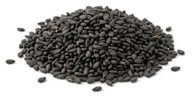
Sesame seed
  • White sesame seed

    Use the same weight. Toast lightly before use; white seeds are milder and give a cleaner look.

  • Black sesame seed

    Use the same weight. They are stronger and more bitter; toast briefly and use slightly less if the dish is delicate.

  • Peanut

    Use the same weight, crushed or chopped. It gives crunch but not the same nutty sesame aroma.

Ground white pepper
  • Ground black pepper

    Use 80–100% of the weight. Darker and sharper; reduce slightly if you do not want extra heat.

  • Black peppercorn

    Grind the same weight fresh; same darker, sharper result.

Ground cardamom
  • Cardamom seed

    Grind the same weight; remove the pods first for a cleaner, stronger powder.

  • Green cardamom pod seed

    Grind the same weight of the seeds from green pods; discard the husks for the best flavour.

  • Ground green cardamom

    Use the same weight; it is the same spice and works directly.

Mace powder
  • Ground mace

    Use the same weight; identical spice, already ground.

  • Mace blade

    Grind the same weight finely; sieve if needed; flavour is fresher but slightly stronger.

  • Ground nutmeg

    Use 50–70% of the weight; stronger and sweeter; add less at first.

Chaat masala
  • Tandoori snack spice mix

    Use the same weight; taste first as it can be smokier and saltier. Add lime or amchoor if the dish needs more tang.

  • Dried mango powder

    Use about half the weight, mixed with black salt and a pinch of ground cumin. It gives tang and saltiness but lacks the minty, asafoetida notes.

  • Black salt

    Use about half the weight and add lime juice to taste. It gives the salty, sulphurous edge but not the full tangy blend.

Breadcrumb
  • White breadcrumb

    Use the same weight; fresh white crumbs are softer and bind more gently.

  • Dried breadcrumb

    Use about 70% of the weight and moisten slightly, as dried crumbs absorb more liquid.

  • Panko breadcrumbs

    Use the same weight; they are lighter and crisper, giving a coarser coating.

Similar dishes

Subz Seekh (Tandoori Home Cooking)
Potato, Paneer & Sweetcorn Kebabs
Subz Seekh tastes tangier from dried mango powder and sweeter from sweetcorn, with cumin and garam masala warmth and chilli heat, while this dish tastes more smoky and herbaceous from mint, curry leaf and chaat masala, with sesame and egg richness.
  • Same: Subz Seekh shares with this dish a base of grated potato and paneer, breadcrumb and salt, and both are shaped into kebabs and cooked until lightly crisp outside.
  • Different: Subz Seekh adds sweetcorn, ginger, cumin seed, bird's-eye chilli, ground coriander, garam masala, dried mango powder and chickpea flour, uses vegetable oil, and is griddled rather than threaded on skewers and grilled; this dish has egg, sesame seed, garlic paste, curry leaf, chaat masala, red bell pepper, tomato, onion, white pepper, cardamom and mace.
Malai Kofta (Thali)
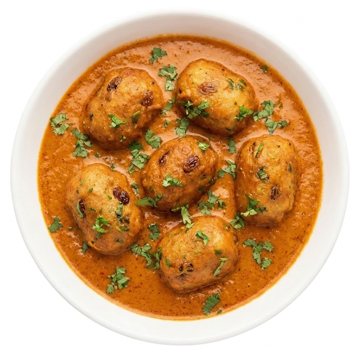
Paneer Koftas in a Creamy Spiced Tomato Curry
Malai Kofta tastes mild, creamy, gently sweet and tangy from tomato and dried mango powder, not smoky or crisp like this dish.
  • Same: Malai Kofta shares potato, paneer, green chilli, cardamom and coriander leaf with this dish.
  • Different: Malai Kofta adds raisins, cashew nuts, ginger, cornstarch, turmeric, garam masala, clove, cinnamon, tomato purée, sugar and dried mango powder, and it is fried and served in a tomato-cashew curry rather than grilled on skewers.
Bharwan Aloo
Stuffed Potatoes
Bharwan Aloo is richer and mildly sweet from the raisins and warm garam masala, while this dish is tangier, herbier, and hotter from green chilli, chaat masala, and fresh mint.
  • Same: Bharwan Aloo also combines potato and paneer as its primary ingredients.
  • Different: Bharwan Aloo stuffs hollowed potatoes with paneer and raisins before deep-frying in vegetable oil seasoned with black cumin seeds and garam masala, whereas this dish mixes mashed potatoes and paneer with onion, tomato, garlic, herbs, green chillies, and chaat masala onto skewers to grill with sesame seeds.
Malai Kofte
Vegetable Dumplings in Spiced Tomato Curry
Malai Kofte tastes rich, mildly spiced and gently sweet from tomato and cashew, while this dish tastes smoky and herby with chaat masala, mint and curry leaf.
  • Same: Malai Kofte shares potato, paneer, garlic, green chilli and coriander with this dish.
  • Different: Malai Kofte is fried and served in a tomato-cashew gravy, while this dish is skewered and grilled with sesame, mint, curry leaf, chaat masala and egg.