Indian cooking
Indian cooking / Dishes / Malabar Isthu with Pumpkin, Bitter Gourd & Cauliflower
Malabar Isthu with Pumpkin, Bitter Gourd & Cauliflower ()

Malabar Isthu with Pumpkin, Bitter Gourd & Cauliflower

VegetarianOrigin Kerala

A creamy coconut vegetable stew with pumpkin, cauliflower and bitter gourd. It tastes gently sweet and savoury, with a soft pepper heat and a slight bitter edge from the gourd.

Whole spices for the oil

3.4 gWarmed in the oil at the start (step 2)
01
2.1 g1 teaspoon
spice
Keep whole: add them to the hot oil together.

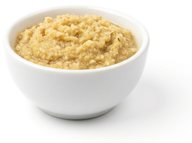
Ginger & Garlic Paste

15 gStirred in with the chillies and curry leaves (step 4)
Weigh the paste; no further prep.

Ground turmeric for the coconut milk

9 gStirred in just before the coconut milk (step 5)
01
9 g1 tablespoon
spice
Keep ground; add straight to the pan.

Pepper for finishing

4.6 gAdded with the tomatoes near the end (step 8)
01
4.6 g2 teaspoons
spice
Grind fresh if needed; stir in.

Everything else

01
14 g1 tablespoon
oil/fat
02
Onion · Pyazthinly sliced
300 g2 onions
vegetable
03
12 g2 chillies
vegetable
07
Bitter gourd · Karelapeeled and diced
150 g
vegetable
08
Pumpkin · Kaddupeeled and diced
150 g
vegetable
09
Tomato · Tamatarfinely chopped
100 g
vegetable
10
to taste
salt
11
to taste
sweetener
12
~100 g1 bunch
herb

Method

  1. Warm 13.5 g vegetable oil in a large pan over a low flame.
  2. Add the whole spices for the oil (2.1 g clove, 1.3 g cinnamon stick) and cook gently for 1–2 minutes, until their aroma rises.
  3. Add 300 g onion and cook over a low flame for about 10 minutes, until soft and glassy.
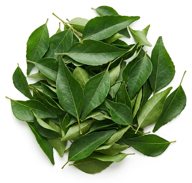
  4. Stir in the Ginger & Garlic Paste (15 g), 12 g green chilli and 80 g curry leaves. Cook for 5 minutes.
  5. Add the ground turmeric for the coconut milk (9 g) and stir for 2 minutes.
  6. Pour in 507 g coconut milk and heat until it bubbles at the edges.
  7. Add 150 g cauliflower floret, 150 g bitter gourd and 150 g pumpkin. Cover and simmer for about 20 minutes, until the vegetables are soft enough to crush easily with a spoon.
  8. Add 100 g tomato and the pepper for finishing (4.6 g black pepper).
  9. Season with sea salt and granulated sugar to taste; simmer for 5 minutes.
  10. Scatter 100 g coriander leaves over the stew.

Don't have something?

Vegetable oil
  • Peanut oil

    Use 1:1 by weight. Handles high-heat frying identically and introduces a very subtle, pleasant nuttiness.

  • Ghee

    Use 1:1 by weight. Yields a much richer, authentic aroma and a glossy, heavier mouthfeel.

  • Mustard oil

    Use 1:1 by weight. Heat until smoking, then cool slightly before cooking to temper its intensely pungent, sharp mustard kick.

Clove
  • Ground cloves

    Use 1 g ground for 4 g whole (or 1 small pinch per 2 to 3 whole cloves). Add with spice powders; disperses intense warmth quickly, so use with restraint.

  • Allspice berries

    Use 100% of the weight whole in tempering. Imparts a warm, clove-like aromatic profile combined with hints of nutmeg and cinnamon.

  • Black cardamom pod

    Use 1 pod for 3 to 4 cloves in whole tempering. Shares a camphor-like warmth and medicinal depth, though it introduces a distinct smoky undertone.

Cassia bark
  • Ceylon cinnamon

    True cinnamon: thinner, papery quills, milder and sweeter. Use about 1.5 times the weight, and taste.

  • Ground cinnamon (cassia)

    Use about a third of the weight (0.5 g ground for a 2.5 cm piece), stirred in with the ground spices rather than fried whole, since the powder burns quickly.

  • Cassia buds

    Use 60-70% of the weight; stronger and more peppery, so taste before adding more.

Onion
  • Shallot

    Use equal weight, finely sliced. Shallots soften and brown faster, giving a slightly sweeter and more delicate base to curries.

  • Cabbage

    Use 80% of the weight, finely shredded and browned slowly with a pinch of asafoetida. Replicates the bulk and natural sweetness in gravies without allium.

Ginger garlic paste
  • Ginger and garlic paste

    Use the same weight; the difference is only the order of the names.

  • Garlic paste

    Mix with an equal weight of ginger paste and use the same total weight.

  • Garlic

    For 20 g paste use about 10 g crushed garlic and 10 g grated ginger root with a splash of water. Add a little extra water if the dish looks dry.

Green chilli
  • Chilli powder

    Use 10 to 15% of the weight (about 1/4 teaspoon per chilli); imparts dry pungent heat and reddens the dish without the grassy crunch.

  • Dried red chilli

    Use 1 dried pod per fresh green chilli; snap in half and temper in hot oil for a deeper, toastier heat.

Curry leaves
  • Curry leaf

    Use the same weight; tear and fry in oil as usual.

  • Lime leaf

    Use 50% of the weight, torn; citrusy but not resinous.

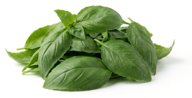
  • Basil leaves

    Use the same weight; sweet and aniseed-like, but quite different.

Ground turmeric
  • Ground ginger

    Use 50% of the weight. Mimics turmeric's warm, earthy, rhizome background, but provides none of the golden-yellow colour.

  • Saffron

    Steep a tiny pinch (0.1 g per 2 g turmeric) in 2 tbsp warm water; use to match the rich golden hue. Contributes an aristocratic, honeyed floral flavour rather than earthy bitterness.

Coconut milk
  • Single cream

    Use equal weight; simmer gently over low heat to prevent curdling. Imparts a comparable rich texture, though it adds dairy richness without any coconut fragrance.

  • Cashew paste

    Whisk 1 part cashew paste with 2 parts water to match the consistency, then use equal weight. Provides a thick, velvety body without coconut flavour.

  • Whole milk

    Use equal weight, but reduce other cooking liquids by 20% to compensate for the lower viscosity. The curry will be lighter and lack sweetness.

Cauliflower floret
  • Broccoli

    Use the same weight; cut into similar florets and reduce cooking by 2–3 minutes. It adds a greener colour and stronger flavour.

  • Cauliflower

    Use the same weight; break the head into florets of the same size. Cooking time and texture are virtually unchanged.

  • Cabbage

    Use the same weight; cut into chunks and cook 3–5 minutes less. It softens quickly and gives a sweeter, less nutty result.

Bitter gourd
  • Small bitter gourd

    Use the same weight; it is the same vegetable, usually a little milder. Scrape out the seeds and salt if needed.

  • Courgette

    Use the same weight; it gives no bitterness and more water, so salt and drain it briefly before cooking.

  • Ridge gourd

    Use the same weight; it is soft and mild, so the dish loses the bitter note entirely.

Pumpkin
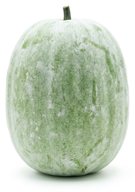
  • Ash gourd

    Use the same weight; peel and cube. Firmer and less sweet, so cook 5–10 minutes longer and taste for sugar.

  • Sweet potato

    Use the same weight; peel and cube. Sweeter and starchier; reduce added sugar and cook until just tender.

  • Courgette

    Use the same weight; cut larger chunks. Watery and soft, so cook 5 minutes less and reduce liquid.

Tomato
  • Tomato purée

    Use 40% to 50% of the fresh tomato weight mixed with a splash of water. Imparts a deeper red colour, thicker sauce, and slightly sweeter cooked flavour.


  • Plain yogurt

    Use 60% of the weight, whisked smooth and added on low heat. Provides rich body and sourness, though the gravy becomes paler and creamier.

Black pepper
  • Black peppercorn

    Use the same weight and crush or grind as the recipe needs; whole peppercorn is the same spice.

  • Ground black pepper

    Use the same weight; add nearer the end if the recipe calls for whole pepper, as ground loses aroma faster.

  • Ground white pepper

    Use about 75–80% of the weight; it is milder and earthier, with less bite.

Granulated sugar
  • Jaggery

    Use equal weight; grate or shave finely so it dissolves rapidly, giving a warm, caramel-like sweetness and slightly darker sauce.

Coriander leaves
  • Coriander (cilantro) or basil

    Use the same weight, choosing the coriander element if available. If only basil is available, expect a sweeter, more aniseed flavour.

  • Basil leaves

    Use the same weight. Basil is sweeter and more aromatic in a different way; add near the end so it keeps its perfume.

  • Coriander paste

    Use 1.5 times the weight and reduce other liquid slightly; it is less fresh and more concentrated, so taste before adding more.

Similar dishes

Kamala Phoolkopi
Cauliflower with Oranges
Kamala Phoolkopi tastes sweet-tart from orange and potato-heavy in a spiced gravy, while this dish tastes coconut-creamy and savoury with pepper heat and a bitter gourd edge.
  • Same: Both are vegetable curries built on onion, cauliflower, turmeric, green chilli and vegetable oil, with cinnamon and clove in the spice mix.
  • Different: Kamala Phoolkopi adds potato and fresh orange and uses a spiced onion gravy, while this dish uses coconut milk, pumpkin, bitter gourd, tomato, curry leaves and ginger-garlic paste and is a creamy stew.
Kumhare ki Subzi
Dry Spicy Pumpkin
Kumhare ki Subzi tastes tangy from amchoor and warmly spicy, with a dry mashed texture, not creamy like this dish and without this dish's bitter gourd edge.
  • Same: Kumhare ki Subzi shares pumpkin, turmeric, green chilli, vegetable oil or ghee, sugar, salt and coriander leaf with this dish.
  • Different: Kumhare ki Subzi uses fenugreek, cumin, chilli powder, ground coriander and amchoor, and it lacks coconut milk, onion, ginger garlic paste, curry leaves, clove, cinnamon, tomato, cauliflower and bitter gourd; it is a dry simmered-and-mashed dish, while this dish is a creamy coconut stew.
Tamil Cauliflower Milagu Peratu
Spicy Cauliflower with Black Pepper, Curry Leaves, Fennel and Turmeric
Tamil Cauliflower Milagu Peratu tastes dry, pepper-forward and warmly aromatic, not creamy, gently sweet and slightly bitter like this dish.
  • Same: Tamil Cauliflower Milagu Peratu shares cauliflower, turmeric, curry leaves, onion, vegetable oil and black pepper with this dish.
  • Different: It is a dry dish made with fennel, cumin, poppy seeds, garlic and water, while this dish is a coconut-milk stew with pumpkin, bitter gourd, green chilli and ginger garlic paste.
Punjabi Khatte Karele
Bitter Gourd with Jaggery, Fennel Seeds and Tamarind
Punjabi Khatte Karele tastes sweet-sour and warmly spiced, with jaggery and tamarind softening the bitter gourd, while this dish tastes gently sweet and savoury from coconut milk with soft pepper heat and a slight bitter edge.
  • Same: Punjabi Khatte Karele shares bitter gourd, onion, ground turmeric, vegetable oil and coriander leaf with this dish.
  • Different: Punjabi Khatte Karele uses jaggery, tamarind paste, fennel seed, cumin seed and Kashmiri chilli powder, and it cooks with water rather than coconut milk, with no pumpkin, cauliflower, tomato, curry leaves, clove or cinnamon.