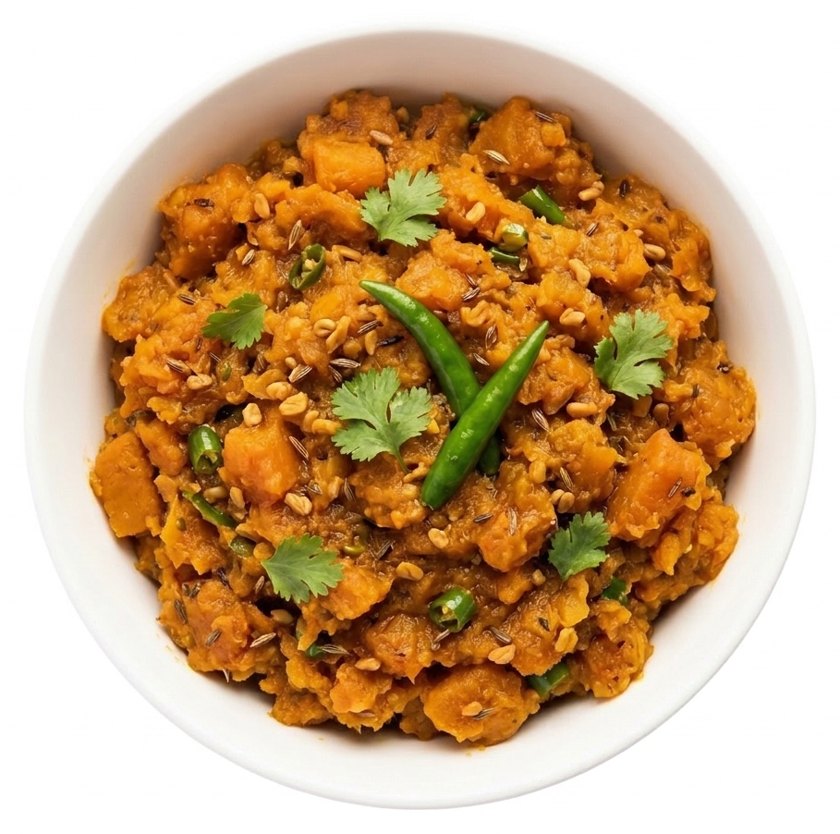
Kumhare ki Subzi
A lightly spiced North Indian dry vegetable dish where pumpkin is gently simmered until soft, then mashed with tangy amchoor and warm spices.
Whole tempering spices
6 gFried in the warm fat at the start (step 1)Ground spice blend
16 gStirred into the spiced fat (step 2)Everything else


Method
- Warm 40.5 g vegetable oil or ghee in a broad, heavy-bottomed pan set over low heat. Tip in the whole tempering spices and cook for 3–4 minutes until crackling and fragrant.
- Stir in the ground spice blend and fry gently for about 7 minutes, keeping the heat low so the powders do not scorch.
- Add 12–18 g green chilli, 500 g pumpkin, 8.4 g granulated sugar and salt to taste, turning the cubes until completely coated in the spiced oil. Cover with a tight-fitting lid and simmer for 15–20 minutes, until thoroughly tender.
- Take the pan off the heat and crush the cooked pumpkin thoroughly using a potato masher or wooden spoon. Garnish with whole green chilli and coriander leaf before serving.
Don't have something?


 Peanut oil
Use equal weight; handles high tempering heat well and keeps flavours neutral.
 Butter
Use equal weight; cook over gentle heat to prevent browning the milk solids too quickly.


 Mustard seed
Use 50% of the weight, crush or grind. Sharper heat and less maple-bitter; fry briefly in oil before adding.
 Caraway seeds
Use the same weight, crush lightly. Similar bitter-seed note but more aniseed; reduce other sweet spices slightly.
 Ajwain seeds
Use 25–30% of the weight, crush. Much stronger thyme-like flavour; do not overdo.


 Ground cumin
Use 70% of the weight; add with ground spices or sauce bases rather than hot oil tempering, where it scorches quickly and turns bitter.
 Black cumin seeds
Use equal weight for oil tempering. Delivers an earthy profile with an additional musky, smoky, and slightly bitter edge.
 Fennel seed
Use 60% of the weight for tempering; offers comparable warm aroma, but leans sweet and liquorice-like rather than savoury and earthy.


 Red chilli powder
Use 100% of the weight. Provides direct, sharp heat and red colour in equal measure.
 Kashmiri chilli powder
Use 150% to 200% of the weight if matching colour, but add a pinch of black pepper or hot chilli if you need equivalent fiery heat.
 Cayenne pepper
Use 75% to 100% of the weight. Offers a sharp, clean heat with slightly less earthy depth and less crimson colour.


 Ground ginger
Use 50% of the weight. Mimics turmeric's warm, earthy, rhizome background, but provides none of the golden-yellow colour.
 Saffron
Steep a tiny pinch (0.1 g per 2 g turmeric) in 2 tbsp warm water; use to match the rich golden hue. Contributes an aristocratic, honeyed floral flavour rather than earthy bitterness.



 Coriander seeds
Dry-roast lightly in a pan and grind to a fine powder; use equal weight (1:1). Offers a noticeably fresher, brighter citrus note.
- Ground cumin
Use 50% to 75% of the weight. Lacks the floral, citrusy profile of coriander and turns the gravy heavier, earthier, and darker.
 Garam masala
Use 50% of the weight and stir in near the end of cooking. Adds warmth and depth since it contains ground coriander, but introduces stronger spices like clove and cinnamon.


 Lemon juice
Use 15 g (1 tbsp) for every 5 g of amchoor. Stir in at the very end off the heat; adds liquid and fresh citrus aroma rather than dry fruity tang.
 Tamarind extract
Use 75% of the weight, dissolved in a splash of warm water. Simmer briefly; darkens the gravy and provides a deeper, caramelised sourness.


- Chilli powder
Use 10 to 15% of the weight (about 1/4 teaspoon per chilli); imparts dry pungent heat and reddens the dish without the grassy crunch.
 Dried red chilli
Use 1 dried pod per fresh green chilli; snap in half and temper in hot oil for a deeper, toastier heat.

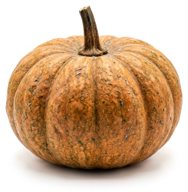
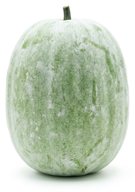 Ash gourd
Use the same weight; peel and cube. Firmer and less sweet, so cook 5–10 minutes longer and taste for sugar.
 Sweet potato
Use the same weight; peel and cube. Sweeter and starchier; reduce added sugar and cook until just tender.
 Courgette
Use the same weight; cut larger chunks. Watery and soft, so cook 5 minutes less and reduce liquid.


 Jaggery
Use equal weight; grate or shave finely so it dissolves rapidly, giving a warm, caramel-like sweetness and slightly darker sauce.


Similar dishes

- Same: Khatta Meetha Kaddu also cooks and mashes pumpkin using cumin seeds, fenugreek seeds, and fresh coriander leaves.
- Different: It tempers the pumpkin in mustard oil with nigella, fennel, mustard seeds, dried red chillies, and lemon juice, omitting this dish's vegetable oil or ghee, ground turmeric, ground coriander, amchoor, and fresh green chillies.

- Same: Pumpkin Chutney shares pumpkin, vegetable oil, turmeric, cumin and chilli with this dish.
- Different: It is a smooth roasted chutney with black mustard seed and curry leaf tempering, while this dish is a dry subzi simmered and mashed with fenugreek, coriander, amchoor and sugar.
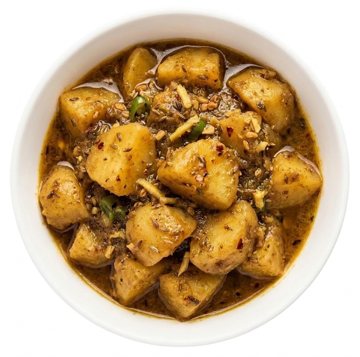
- Same: Khatte Aloo also relies on amchoor as its souring agent and shares spices like cumin, fenugreek seeds, turmeric, and green chillies.
- Different: It uses potatoes cooked in mustard oil rather than pumpkin in vegetable oil or ghee, adds ginger, cloves, and asafoetida, and omits the sugar.
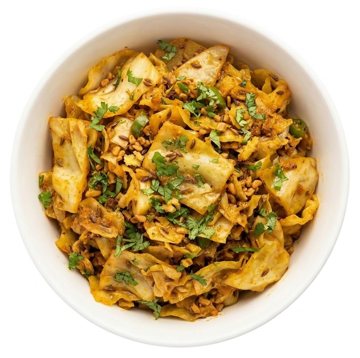
- Same: Both are dry vegetable preparations tempered with cumin, fenugreek seeds, green chillies, turmeric, ground coriander, and a touch of sugar.
- Different: Karamkalla stir-fries cabbage in significantly more oil with asafoetida and both fresh and ground ginger, while omitting the amchoor used in this dish.