
Ga Archa Meen Kari
A fragrant, gently spiced South Indian fish curry enriched with coconut paste and sharpened with sour cambodge.
Ground spices for the curry
18 gAdded to the pan with the fish and aromatics (step 3)Spices for the coconut paste
3.6 gGround into the paste (step 2)Tempering spices
7 gBloomed in hot oil for the tempering (step 5)Everything else

Method
- Cut 500 g skinless, trimmed fish into 4 cm (1½ inch) pieces.
- Purée 60 g dried coconut, 2 chopped shallots, and 6 g garlic in a blender with a little water to make a smooth paste. Grind the spices for the coconut paste with a splash of water until fine, then combine both pastes.
- Place a large, heavy saucepan over low heat. Add 13.5 g vegetable oil, the cut fish, 2 g curry leaf, 150 g onion, 14.4 g ginger, 12 g green chilli, 3 pieces cambodge petals, the ground spices for the curry, 1 litre water, and salt to taste. Simmer for 10 minutes.
- Stir the blended coconut paste into the curry, bring everything to a boil, and remove the pan from the heat.
- Fry the tempering spices and 2 dried red chillies in a small pan until the seeds crackle, then pour over the curry.
Don't have something?
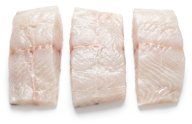
 Firm white fish
Use the same weight, clean and cut into fillet-sized pieces. Cooking time is the same; remove any bones.
 Firm fish fillet
Use the same weight. Check thickness; thick pieces may need 2–3 minutes more simmering.
 Skinless firm white fish fillet
Use the same weight. Skinless flakes more; handle gently and add late.


 Peanut oil
Use 1:1 by weight. Handles high-heat frying identically and introduces a very subtle, pleasant nuttiness.
 Ghee
Use 1:1 by weight. Yields a much richer, authentic aroma and a glossy, heavier mouthfeel.
 Mustard oil
Use 1:1 by weight. Heat until smoking, then cool slightly before cooking to temper its intensely pungent, sharp mustard kick.


 Bay leaf
Fry 1 bay leaf for every 5 curry leaves in hot oil; imparts a warm, woodsy background note, but misses the citrus-sulphury punch entirely.
 Lime juice
Add a small squeeze (about 5 ml per sprig of curry leaves) right before serving; provides sharp citrus top notes without the toasty, herbal aroma.




 Fresh ginger
Use equal weight; scrape off the skin and grate or finely julienne according to the recipe.
 Ginger paste
Use equal weight; stir straight into the sizzling aromatics, taking care as the extra moisture may spit.
 Ground ginger
Use 15 to 20% of the weight; add alongside ground spices, noting it imparts warm, dry heat rather than zesty freshness.


 Chilli powder
Use 10 to 15% of the weight (about 1/4 teaspoon per chilli); imparts dry pungent heat and reddens the dish without the grassy crunch.
 Dried red chilli
Use 1 dried pod per fresh green chilli; snap in half and temper in hot oil for a deeper, toastier heat.


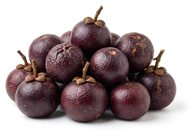 Wild mangosteen
The same dried fruit under its Indian name; use the same weight, rinse and soak in warm water 15 minutes, and add the soaking water to the pot.
 Tamarind extract
Use half the weight; stronger and darker, so taste as you go and adjust the sugar or jaggery.
 Dried mango powder
Use 40% of the weight (1 g amchoor for 2.5 g cambodge); clean dry sourness with no colour, so the dish looks paler.


 Red chilli powder
Use 100% of the weight. Provides direct, sharp heat and red colour in equal measure.
 Kashmiri chilli powder
Use 150% to 200% of the weight if matching colour, but add a pinch of black pepper or hot chilli if you need equivalent fiery heat.
 Cayenne pepper
Use 75% to 100% of the weight. Offers a sharp, clean heat with slightly less earthy depth and less crimson colour.



 Coriander seeds
Dry-roast lightly in a pan and grind to a fine powder; use equal weight (1:1). Offers a noticeably fresher, brighter citrus note.
 Ground cumin
Use 50% to 75% of the weight. Lacks the floral, citrusy profile of coriander and turns the gravy heavier, earthier, and darker.
 Garam masala
Use 50% of the weight and stir in near the end of cooking. Adds warmth and depth since it contains ground coriander, but introduces stronger spices like clove and cinnamon.


- Ground ginger
Use 50% of the weight. Mimics turmeric's warm, earthy, rhizome background, but provides none of the golden-yellow colour.
 Saffron
Steep a tiny pinch (0.1 g per 2 g turmeric) in 2 tbsp warm water; use to match the rich golden hue. Contributes an aristocratic, honeyed floral flavour rather than earthy bitterness.


 Black peppercorn
Use 1:1 by weight; pulverise in a spice mill or mortar to a fine powder for immediate, punchy heat.
 Coarsely ground black pepper
Use equal weight; offers the same bite, though it gives a visibly speckled finish and firmer crunch.


 Desiccated coconut
Use equal weight; texture is much finer, so roast very cautiously over low heat if the recipe requires browning for spice pastes.
 Fresh coconut
Finely slice or grate and use 140% of the weight to offset the extra water, or dry-roast in a bare pan until moisture evaporates completely.



 Garlic paste
Use equal weight. Fry gently in oil or ghee with the ginger; incorporates smoothly into curries without visible minced bits.
 Garlic powder
Use 15% to 20% of the weight (about 1 g for every 5 to 6 g fresh cloves). Whisk into sauces; gives a savoury, toasted garlic flavour without raw pungency.
- Shallot
Use 1.5 times the weight, very finely minced. Sauté until golden; provides savoury allium sweetness, though it lacks garlic's pungent sulphur bite.


- Ground cumin
Use 70% of the weight; add with ground spices or sauce bases rather than hot oil tempering, where it scorches quickly and turns bitter.
 Black cumin seeds
Use equal weight for oil tempering. Delivers an earthy profile with an additional musky, smoky, and slightly bitter edge.
 Fennel seed
Use 60% of the weight for tempering; offers comparable warm aroma, but leans sweet and liquorice-like rather than savoury and earthy.


 Black mustard seed
Use the same weight. The seeds are smaller and hotter; fry in hot oil until they pop, about 20–30 seconds, and reduce the heat if they darken too fast. The dish will be a little sharper.
 Yellow mustard seeds
Use the same weight. They are milder and larger; fry a few seconds longer until they pop. The finished dish will have less pungency.
 Ground mustard seed
Use 70% of the weight of whole seed, added with the other ground spices rather than fried whole. You lose the popping texture and the heat comes through more evenly.


- Mustard seed
Use 50% of the weight, crush or grind. Sharper heat and less maple-bitter; fry briefly in oil before adding.
 Caraway seeds
Use the same weight, crush lightly. Similar bitter-seed note but more aniseed; reduce other sweet spices slightly.
 Ajwain seeds
Use 25–30% of the weight, crush. Much stronger thyme-like flavour; do not overdo.


Similar dishes
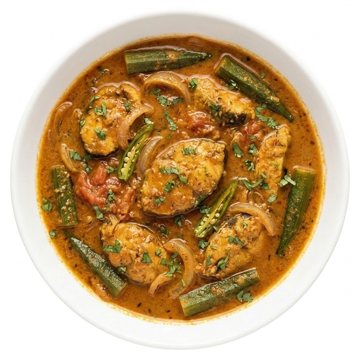
- Same: Both curries cook fish in a spiced coconut gravy with vegetable oil, onions, green chillies, garlic, cumin, and turmeric.
- Different: Goan Fish Curry (I) uses fresh coconut, tomatoes, dried red chillies, and tamarind extract with lemon juice, whereas this dish uses dried coconut, ginger, curry leaves, mustard seeds, fenugreek seeds, and sour cambodge.

- Same: Patrani Machli shares firm white fish, coconut, green chilli, cumin, garlic and coriander with this dish.
- Different: It is steamed in banana-leaf parcels with a fresh coconut-green chilli paste and lemon juice, while this dish is a simmered curry with vegetable oil, dried coconut, cambodge, mustard seed, fenugreek, curry leaf, turmeric and chilli powder.

- Same: Kerala Meen Mappas shares with this dish a fish-and-coconut curry base, curry leaves, mustard seeds, turmeric, green chilli, ginger, garlic, onion and vegetable oil.
- Different: Kerala Meen Mappas uses coconut milk, tamarind paste and lime juice with sea bream and water, while this dish uses dried coconut paste, cambodge petal, firm white fish, shallots, cumin, coriander and fenugreek.

- Same: Meen Thala Kari also features fish cooked in vegetable oil with coconut, turmeric, ground coriander, cumin, and ginger.
- Different: Meen Thala Kari uses a large volume of coconut milk, tamarind extract, and fresh tomatoes, but omits the dried coconut paste, cambodge, onion, garlic, mustard seeds, and fenugreek seeds found in this dish.