
Dum ki Makai
Tender baby corn braised gently in an aromatic, lightly sweetened tomato gravy spiked with warm whole spices and mild chilli.
Whole spices
4.4 gBloomed in the hot oil (step 1)Ground spices
3.2 gStirred into the onion base with the tomatoes (step 3)Everything else

Method
- Warm 1 tbsp oil in a pan over medium heat. Tip in the whole spices and fry until fragrant and slightly darkened.
- Toss in 150 g chopped onion and 6–9 g crushed garlic. Cook over medium-high heat for around 5 minutes, stirring frequently, until the onions soften and turn clear.
- Stir in the ground spices, 100 g diced tomato, 4.2 g granulated sugar, and salt to taste. Cook until the tomatoes break down and the mixture thickens into a rich sauce.
- Tumble in 200 g baby corn, coating each piece well. Clamp on a tight-fitting lid, drop the heat to low, and leave everything to steam-cook for 5 minutes.
- Scatter over 12 g de-seeded green chilli and serve hot with flatbread or boiled rice.
Don't have something?


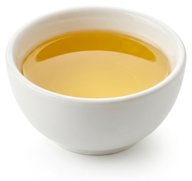
 Vegetable oil
Use the same weight. It is neutral and behaves the same in frying and tempering; no noticeable change in flavour.
 Corn or vegetable oil
Use the same weight. Neutral and good for high heat; the dish will taste virtually the same.
 Groundnut oil
Use the same weight. It has a mild nutty flavour and is good for Indian cooking; heat until just hot, not smoking, so the nuttiness does not dominate.


 Cinnamon stick
Use a 2 cm piece (about 1 g) for every 1 to 2 bay leaves. Fry in whole-spice temperings; provides the cassia-like warmth typical of Indian tejpatta.
 Ground cinnamon (cassia)
Use 0.5 g per leaf. Stir into the sauce during simmering; gives the same warm woodiness but darkens the colour slightly.


 Ground black cardamom
Use 0.5 g of ground seeds for each whole pod. Stir directly into the curry base; delivers identical smoky flavour without woody husks.
 Green cardamom pod
Use equal pod count or weight. Crack slightly and fry whole; tastes sweet, menthol-fresh, and floral rather than dark and smoky.


 Ceylon cinnamon
True cinnamon: thinner, papery quills, milder and sweeter. Use about 1.5 times the weight, and taste.
- Ground cinnamon (cassia)
Use about a third of the weight (0.5 g ground for a 2.5 cm piece), stirred in with the ground spices rather than fried whole, since the powder burns quickly.
 Cassia buds
Use 60-70% of the weight; stronger and more peppery, so taste before adding more.


 Coarsely ground black pepper
Use 75% of the weight. Add midway through simmering; spreads heat evenly through the dish instead of delivering isolated bursts.
 Ground black pepper
Use 50% of the weight. Stir in near the end of cooking; significantly darkens light gravies and provides an immediate, sharp bite.


 Ground cloves
Use 1 g ground for 4 g whole (or 1 small pinch per 2 to 3 whole cloves). Add with spice powders; disperses intense warmth quickly, so use with restraint.
 Allspice berries
Use 100% of the weight whole in tempering. Imparts a warm, clove-like aromatic profile combined with hints of nutmeg and cinnamon.
- Black cardamom pod
Use 1 pod for 3 to 4 cloves in whole tempering. Shares a camphor-like warmth and medicinal depth, though it introduces a distinct smoky undertone.





 Garlic paste
Use equal weight. Fry gently in oil or ghee with the ginger; incorporates smoothly into curries without visible minced bits.
 Garlic powder
Use 15% to 20% of the weight (about 1 g for every 5 to 6 g fresh cloves). Whisk into sauces; gives a savoury, toasted garlic flavour without raw pungency.
 Shallot
Use 1.5 times the weight, very finely minced. Sauté until golden; provides savoury allium sweetness, though it lacks garlic's pungent sulphur bite.



 Coriander seeds
Dry-roast lightly in a pan and grind to a fine powder; use equal weight (1:1). Offers a noticeably fresher, brighter citrus note.
 Ground cumin
Use 50% to 75% of the weight. Lacks the floral, citrusy profile of coriander and turns the gravy heavier, earthier, and darker.
 Garam masala
Use 50% of the weight and stir in near the end of cooking. Adds warmth and depth since it contains ground coriander, but introduces stronger spices like clove and cinnamon.


 Cumin seed
Dry-roast briefly and grind finely; use equal weight (1:1). Imparts an even punchier, nuttier, toasty aroma than pre-ground cumin.
- Ground coriander
Use equal weight (1:1). Adds mild, lemony sweetness rather than cumin's smoky, earthy bite; curries will taste lighter and less savoury.
 Black cumin seeds
Grind finely; use 60% to 75% of the weight. Produces a darker, more complex, smoky-herbal flavour suited to rich gravies.


 Dried kashmiri chilli
Grind deseeded dried pods to an equal weight of powder; gives identical vivid red colour and gentle warmth.
 Red chilli powder
Use 25% of the weight mixed with sweet paprika for colour; straight red chilli powder is substantially hotter and will make the dish fiery.
 Chilli powder
Use one-third of the weight; the sauce will be less intensely red and notably sharper in heat.


 Ground ginger
Use 50% of the weight. Mimics turmeric's warm, earthy, rhizome background, but provides none of the golden-yellow colour.
 Saffron
Steep a tiny pinch (0.1 g per 2 g turmeric) in 2 tbsp warm water; use to match the rich golden hue. Contributes an aristocratic, honeyed floral flavour rather than earthy bitterness.


 Jaggery
Use equal weight; grate or shave finely so it dissolves rapidly, giving a warm, caramel-like sweetness and slightly darker sauce.


 Tomato purée
Use 40% to 50% of the fresh tomato weight mixed with a splash of water. Imparts a deeper red colour, thicker sauce, and slightly sweeter cooked flavour.
 Plain yogurt
Use 60% of the weight, whisked smooth and added on low heat. Provides rich body and sourness, though the gravy becomes paler and creamier.


 Sweetcorn kernel
Use the same weight; add 2 minutes later. It is sweeter and softer, with no crunch.
 Canned sweetcorn kernel
Use the same weight, drained; add at the end and simmer 2 minutes. Softer and less sweet than fresh.
 Green bean
Use the same weight, cut into 4 cm lengths; cook 2 minutes longer. Less sweet but keeps a crunch.


- Chilli powder
Use 10 to 15% of the weight (about 1/4 teaspoon per chilli); imparts dry pungent heat and reddens the dish without the grassy crunch.
 Dried red chilli
Use 1 dried pod per fresh green chilli; snap in half and temper in hot oil for a deeper, toastier heat.


 Chapati
Use the same cooked weight; one 30 g chapati roughly replaces 100 g cooked rice. Warm it so it stays soft.
 Plain boiled rice
Use the same cooked weight. Drain well and fluff so it does not make the dish wet.
 Cooked basmati rice
Use the same cooked weight; it is lighter and less sticky than short-grain rice.


Similar dishes

- Same: Kori Tamatar shares a tomato and onion base seasoned with green chillies, cumin, coriander, turmeric, black cardamom, cinnamon, and cloves.
- Different: It uses chicken cooked in ghee with ginger and curry leaves, whereas this dish uses baby corn and includes sugar, bay leaf, and black peppercorns.

- Same: Both dishes feature corn flavored with whole warm spices like black cardamom, cinnamon, cloves, and bay leaf alongside coriander, cumin, and green chillies.
- Different: Makki ka Soweta centers on lamb cooked in ghee, milk, yogurt, and chickpea flour with lime juice for acidity, omitting the tomatoes used in this dish.

- Same: Bhuna Gosht (II) shares an onion and garlic base seasoned with bay leaf, black cardamom, cinnamon, cloves, cumin, coriander, turmeric, and chilli.
- Different: Bhuna Gosht (II) centers on lamb roasted in vegetable oil with ginger paste, omitting the baby corn, tomatoes, green chillies, peppercorns, and sugar used in this dish.

- Same: Both dishes feature a spiced tomato gravy seasoned with cinnamon, cloves, cumin, ground coriander, and Kashmiri chilli powder.
- Different: Tamatar Chaaman uses golden-fried paneer instead of braised baby corn, omits the onion, garlic, and sugar, and introduces ground fennel, dried ginger, and asafoetida in a much larger volume of oil and tomatoes.