Indian cooking
Indian cooking / Dishes / Tamatar Chaaman
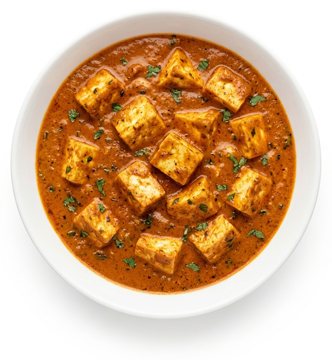
Tamatar Chaaman (Paneer in Thick Tomato Sauce)

Tamatar Chaaman

Paneer in Thick Tomato Sauce
Vegetarian●●●Origin Jammu and KashmirPrep 15 minutesCook 25 minutes

Golden-fried cubes of paneer simmered in a vibrant, spiced tomato gravy flavoured with fennel and dried ginger.

Whole spices and asafoetida

4.2 gFried in the hot oil after browning the paneer (step 2)
01
~0.3 gpinch
spice
02
0.4 g5 cloves
spice
Keep whole: they go into the hot oil together.

Ground spices for the sauce

15 gAdded with hot water to the reduced tomato base (step 4)
01
4.4 g2 teaspoons
spice
02
1.8 g1 teaspoon
spice
03
2.7 g1½ teaspoons
spice
04
2.6 g1 teaspoon
spice
Mix together in a small bowl.

Everything else

01
228 g250 ml
oil/fat
02
Paneercut into 2.5-cm / 1-inch cubesMake it: Paneer →
500 g
dairy
03
750 g
vegetable
04
to taste
salt
05
~1 g1 sprig
herb

Method

  1. Warm 228 g vegetable oil in a large, heavy-bottomed frying pan over medium heat. Add 500 g paneer and fry for about 5 minutes, turning occasionally until golden brown on all sides, then transfer with a slotted spoon onto kitchen paper to drain.
  2. Add the whole spices and asafoetida to the hot pan and stir-fry for roughly 1 minute until they darken slightly and become aromatic.
  3. Pour in 750 g puréed tomato and cook over medium heat for around 5 minutes, stirring regularly, until the liquid cooks off completely.
  4. Stir in 250 ml hot water along with the ground spices for the sauce and salt to taste. Bring to a boil, drop in the browned paneer, then reduce the heat to low and simmer for 5 minutes.
  5. Gently fold in 1 teaspoon Garam Masala Kashmiri and simmer for an additional 2 to 3 minutes.
  6. Garnish with 1 g coriander leaf and take off the heat.

Don't have something?

Vegetable oil
  • Peanut oil

    Use 1:1 by weight. Handles high-heat frying identically and introduces a very subtle, pleasant nuttiness.

  • Ghee

    Use 1:1 by weight. Yields a much richer, authentic aroma and a glossy, heavier mouthfeel.

  • Mustard oil

    Use 1:1 by weight. Heat until smoking, then cool slightly before cooking to temper its intensely pungent, sharp mustard kick.

Paneer
  • Extra-firm tofu

    Use equal weight, pressed well to remove excess moisture and cut into cubes. Pan-fry lightly before adding; absorbs sauces similarly, though it lacks dairy sweetness.

  • Halloumi

    Use equal weight, soaked in warm water for 20 minutes to leach out excess salt. Holds shape during frying, but has a denser, saltier chew.

Asafoetida
  • Garlic powder

    Use double the weight. Stir into hot oil just before adding wet ingredients; mimics the allium savoury background without the sulphurous edge.

  • Garlic paste

    Use 2 g for every 0.5 g of asafoetida. Sauté in oil until the raw smell clears; adds moisture and sweet allium depth.

Clove
  • Ground cloves

    Use 1 g ground for 4 g whole (or 1 small pinch per 2 to 3 whole cloves). Add with spice powders; disperses intense warmth quickly, so use with restraint.

  • Allspice berries

    Use 100% of the weight whole in tempering. Imparts a warm, clove-like aromatic profile combined with hints of nutmeg and cinnamon.

  • Black cardamom pod

    Use 1 pod for 3 to 4 cloves in whole tempering. Shares a camphor-like warmth and medicinal depth, though it introduces a distinct smoky undertone.

Green cardamom pod
  • Green cardamom seed

    Use 35 to 40% of the total pod weight; lightly bruise the seeds before frying in oil to release their essential oils.

  • Ground green cardamom

    Use 20 to 25% of the pod weight (about 1 generous pinch per pod); stir in toward the end of cooking so the delicate floral notes do not dissipate.

  • White cardamom pod

    Use 1:1 by pod count or weight; crack gently before using, though it is slightly less intensely floral.

Cassia bark
  • Ceylon cinnamon

    True cinnamon: thinner, papery quills, milder and sweeter. Use about 1.5 times the weight, and taste.

  • Ground cinnamon (cassia)

    Use about a third of the weight (0.5 g ground for a 2.5 cm piece), stirred in with the ground spices rather than fried whole, since the powder burns quickly.

  • Cassia buds

    Use 60-70% of the weight; stronger and more peppery, so taste before adding more.

Tomato
  • Tomato purée

    Use 40% to 50% of the fresh tomato weight mixed with a splash of water. Imparts a deeper red colour, thicker sauce, and slightly sweeter cooked flavour.

  • Plain yogurt

    Use 60% of the weight, whisked smooth and added on low heat. Provides rich body and sourness, though the gravy becomes paler and creamier.

Ground fennel seed
  • Fennel seed

    Grind whole seeds finely; use equal weight (1:1). Provides a fresh, sweet, aniseed aroma that is slightly stronger than pre-ground powder.

  • Aniseed

    Grind finely; use 75% to 80% of the weight. Has a sharper, sweeter liquorice taste with less of fennel's herbal earthiness.

  • Star anise

    Grind whole star anise finely; use 30% to 40% of the weight. Very potent aniseed flavour that easily overpowers a dish if not used sparingly.

Ground ginger
  • Ginger paste

    Use 300% to 400% of the weight (e.g. 3–4 g paste for 1 g ground). Fry in oil alongside onions; provides a juicy, pungent kick rather than a dry, baking-spice heat.

  • Fresh ginger

    Peel and grate finely; use 300% to 400% of the weight. Add to the hot oil early; delivers bright, peppery warmth rather than the mellow, woody heat of dry ginger.

  • Ground mace

    Use 50% of the weight. Imparts a warm, spicy undertone in rich gravies, but lacks ginger's fiery, sharp zest.

Ground coriander
  • Coriander seeds

    Dry-roast lightly in a pan and grind to a fine powder; use equal weight (1:1). Offers a noticeably fresher, brighter citrus note.

  • Ground cumin

    Use 50% to 75% of the weight. Lacks the floral, citrusy profile of coriander and turns the gravy heavier, earthier, and darker.

  • Garam masala

    Use 50% of the weight and stir in near the end of cooking. Adds warmth and depth since it contains ground coriander, but introduces stronger spices like clove and cinnamon.


Ground cumin
  • Cumin seed

    Dry-roast briefly and grind finely; use equal weight (1:1). Imparts an even punchier, nuttier, toasty aroma than pre-ground cumin.

  • Ground coriander

    Use equal weight (1:1). Adds mild, lemony sweetness rather than cumin's smoky, earthy bite; curries will taste lighter and less savoury.

  • Black cumin seeds

    Grind finely; use 60% to 75% of the weight. Produces a darker, more complex, smoky-herbal flavour suited to rich gravies.

Kashmiri chilli powder
  • Dried kashmiri chilli

    Grind deseeded dried pods to an equal weight of powder; gives identical vivid red colour and gentle warmth.

  • Red chilli powder

    Use 25% of the weight mixed with sweet paprika for colour; straight red chilli powder is substantially hotter and will make the dish fiery.

  • Chilli powder

    Use one-third of the weight; the sauce will be less intensely red and notably sharper in heat.

Kashmiri garam masala
  • Garam masala

    Use 75–80% of the weight; add at the same stage. More pungent and less aromatic, so taste before adding more.

  • Ground garam masala

    Use 75–80% of the weight; stir in off the heat. Finer powder, so it releases aroma quickly.

  • Ground cardamom and mace

    Use 20–25% of the weight alongside garam masala for aroma; it lacks the full spice profile.

Coriander leaf
  • Coriander

    Use equal weight finely chopped; this is the exact same fresh herb.

  • Mint

    Use half the weight finely chopped; provides vibrant green freshness, though the flavour profile becomes noticeably cooler and sharper.

Similar dishes

Chaaman
Kashmiri Paneer
Without the heavy tomato base and fennel, Chaaman is earthier and milder, lacking the sharp acidity and sweet-spiced aroma of this dish.
  • Same: Chaaman also features fried paneer simmered in a spiced sauce seasoned with ginger, cumin, coriander, asafoetida, and garam masala.
  • Different: Chaaman omits the tomatoes, fennel, and whole sweet spices found in this dish, using turmeric and significantly less cooking fat instead.
Machhali Tamatarwali
Fish in Tomato Sauce
Machhali Tamatarwali tastes sharper and more savoury from the green chillies and onions, without the sweet, warming aroma of fennel and Kashmiri whole spices found in this dish.
  • Same: Machhali Tamatarwali also cooks its main protein in a tomato gravy seasoned with asafoetida, ground ginger, cumin, coriander, and fresh coriander leaves.
  • Different: Machhali Tamatarwali simmers fish instead of golden-fried paneer, builds its sauce with onions and fresh green chillies, and omits the cinnamon, cloves, cardamom, and fennel seed used in this dish.
Paneer Butter Masala
Paneer in a Creamy Cashew and Tomato Curry with Saffron, Garam Masala and Fenugreek
Paneer Butter Masala is buttery, creamy, gently sweet and aromatic with mild chilli warmth, while this dish is a spiced tomato gravy flavoured with fennel and dried ginger and has no cashew or butter richness.
  • Same: Paneer Butter Masala shares paneer, a tomato gravy, Kashmiri chilli powder, clove, green cardamom, cinnamon, coriander leaf and salt with this dish.
  • Different: Paneer Butter Masala adds onion, garlic, ginger, cashew, butter, sugar, yoghurt, saffron and dried fenugreek, and it marinates and grills the paneer, while this dish fries the paneer and uses fennel, dried ginger and asafoetida without those ingredients.
Bhare Baghare Tamate
Stuffed Tomatoes
Bhare Baghare Tamate is tangier and nuttier due to the tamarind, sesame, and coconut, lacking the distinct warming fennel and dried ginger profile of this dish.
  • Same: Both dishes combine paneer and tomatoes cooked with vegetable oil, ground cumin, ground coriander, and red chilli powder.
  • Different: Bhare Baghare Tamate stuffs whole poached tomatoes with paneer and cashews inside a gravy built on onions, garlic, sesame seeds, coconut, and tamarind, whereas this dish simmers fried paneer cubes directly in a tomato sauce spiced with fennel, dried ginger, and whole sweet spices without onions or garlic.