
Banjara Chakoor
Tender partridge halves coated in a tangy, nutty yoghurt crust of crushed peanuts, green chillies, and dried mango, briefly roasted and charred under the grill.
Ginger and garlic marinade paste
31 gRubbed onto the partridge in step 2Roasted cumin seasoning
2.1 gWhisked into the yoghurt marinade in step 3Everything else

Method
- Submerge wooden skewers in water to soak for 30 minutes.
- Lay 4 partridge halves in a wide, non-reactive dish. Rub the meat all over with 5.8 g salt, 3 tbsp vinegar, and the ginger and garlic marinade paste.
- In a bowl, mix together 200 g yoghurt, 2 tsp amchoor, 3 tbsp coarsely crushed peanuts, 12 g finely chopped green chilli, 13.5 g vegetable oil, 2 tbsp chopped coriander stems, the juice of 0.5 lemon, and the roasted cumin seasoning. Pour this coating over the birds, turning until evenly covered, then cover and chill for 30 minutes.
- Heat the oven to 200°C (400°F) and preheat the grill to high.
- Thread the partridges onto the soaked skewers, bake for 3 to 4 minutes in the oven, and then transfer under the hot grill for 3 minutes to brown. Slide the meat off the skewers to serve.
Don't have something?


 Guinea fowl
Use the same weight; it is closer in gamey flavour but needs 10–15 minutes longer cooking.
 Whole chicken
Use the same weight in pieces; it is much milder and needs 10–15 minutes longer, so check until tender.
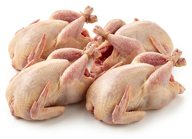 Quail
Use 2–3 quail per partridge by weight; they are smaller, so reduce cooking time by about 10 minutes.


 White malt vinegar
Use the same weight; sharper and clearer; reduce salt slightly.
 White vinegar
Use 90% of the weight, diluted with 10% water; harsher, so taste.
 Lime juice
Use the same weight; fresher sourness but no malt flavour; reduce salt.


 Fresh ginger
Use equal weight; peel and grate very finely on a microplane or pound to a fine paste in a mortar.
 Ginger
Use equal weight; mince finely and crush with the flat of a knife before frying.
 Ground ginger
Use 20% of the weight; add directly with the dry spice powders, though it yields an earthier, less pungent profile.


 Garlic
Use equal weight; crush or finely grate to a smooth pulp to replicate the same fresh, pungent moisture in your base gravy.
 Garlic powder
Use 20 to 25% of the weight; mix with a teaspoon of water before adding to oil so it does not burn, noting it lacks the fresh bite.


 Hung natural yoghurt
Use the same weight and whisk smooth; same thick consistency.
 Full-fat natural yoghurt
Use 1.25 times the weight and strain through muslin for 30 minutes; looser if not strained.
 Hung yogurt
Use the same weight; virtually identical.


 Ground dried mango powder
Use the same weight; same sour mango flavour. Add early so it can soften into the dish.
 Dried mango powder
Grind to a powder and use the same weight. Slightly coarser unless finely ground.
 Lemon juice
Use 5–6 times the weight, e.g. 1 tsp powder to about 5 tsp juice; add off the heat. Wetter and fresher-tasting.


 Ground cumin
Use 70% of the weight; add with ground spices or sauce bases rather than hot oil tempering, where it scorches quickly and turns bitter.
 Black cumin seeds
Use equal weight for oil tempering. Delivers an earthy profile with an additional musky, smoky, and slightly bitter edge.
 Fennel seed
Use 60% of the weight for tempering; offers comparable warm aroma, but leans sweet and liquorice-like rather than savoury and earthy.


 Peanut
Dry-roast raw peanuts until spotted and fragrant; use the same weight.
 Shelled peanut
Roast and rub off skins; use the same weight.
 Roasted cashew nut
Use the same weight for a milder crunch; less earthy, so adjust salt.


 Chilli powder
Use 10 to 15% of the weight (about 1/4 teaspoon per chilli); imparts dry pungent heat and reddens the dish without the grassy crunch.
 Dried red chilli
Use 1 dried pod per fresh green chilli; snap in half and temper in hot oil for a deeper, toastier heat.


 Peanut oil
Use 1:1 by weight. Handles high-heat frying identically and introduces a very subtle, pleasant nuttiness.
 Ghee
Use 1:1 by weight. Yields a much richer, authentic aroma and a glossy, heavier mouthfeel.
 Mustard oil
Use 1:1 by weight. Heat until smoking, then cool slightly before cooking to temper its intensely pungent, sharp mustard kick.


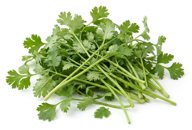
 Coriander leaves
Use the same weight, chopped finely. They are milder than the stem, so the dish loses some of its strong aromatic punch.
 Coriander paste
Use 1.5–2 times the weight and reduce any other liquid slightly; it is less fresh-tasting but gives a similar green coriander note.
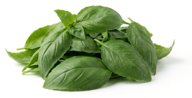 Basil leaves
Use the same weight, chopped finely. Basil is sweeter and more aniseed-like, so use it only when the recipe can take that change.


 Lime
Use the same weight or juice amount; sharper, so taste before adding all the juice.
- Lemon juice
Use about 45–50 ml for 1 lemon; add off the heat to keep the freshness.
- Dried mango powder
Use 1 tsp for the juice of 1 lemon; add early. Sourness is flatter and less fresh.

Similar dishes

- Same: Maharastrian Kairicha Thecha shares roasted peanuts, green chilli, cumin, coriander and vegetable oil with this dish, and both are tart and nutty.
- Different: Maharastrian Kairicha Thecha is a vegetarian relish of raw unripe mango, bird’s eye chilli, garlic and turmeric crushed with peanuts, while this dish is grilled partridge coated in a yoghurt crust with dried mango, amchoor, malt vinegar and lemon.
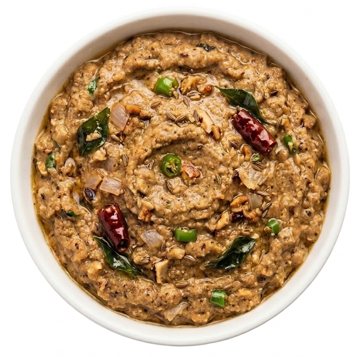
- Same: Moongphali ki Chutney shares the base elements of peanuts, green chillies, cumin seed, and vegetable oil with this dish.
- Different: Instead of roasting marinated partridge with yoghurt, ginger, garlic, and dried mango, it is a ground condiment that incorporates dried coconut, tamarind, onions, curry leaves, and asafoetida.

- Same: Karam Kalle ka Raita shares a yoghurt base seasoned with green chillies, peanuts, and cumin seeds with this dish.
- Different: Instead of marinated partridge roasted with ginger, garlic, and dried mango, Karam Kalle ka Raita is an uncooked side dish made with raw cabbage, sugar, and coriander leaf.

- Same: Maharashtrian Thecha shares green chilli, roasted peanuts, cumin, vegetable oil, coriander and salt with this dish.
- Different: Maharashtrian Thecha is a pounded relish with garlic and blistered bird's-eye chillies, while this dish is partridge coated in a yoghurt, peanut and dried mango crust and grilled; it lacks partridge, yoghurt, amchoor, vinegar and lemon.