
Moongphali ki Chutney
A textured, nutty South Indian relish balanced with coconut, tart tamarind, and fiery green chillies, finished with a fragrant onion tempering.
Tempering spices
4.4 gBloomed in hot oil (step 3)Everything else

Method
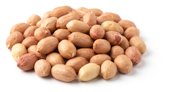
- Warm 114 g vegetable oil in a pan over medium heat. Fry 185 g shelled peanut for 1 minute, then lift out using a slotted spoon. Add 72 g green chilli to the oil, cook for 1 to 2 minutes until slightly discoloured, and scoop out, leaving the oil in the pan.
- Transfer the fried peanuts and green chillies to a blender along with 10 g tamarind, 120 g dried coconut, and salt to taste, then grind to a coarse, thick paste.
- Return the skillet of reserved oil to medium heat. Add the tempering spices and 1.5 g curry leaf, cooking for about 1 minute until the seeds crackle.
- Stir in 450–600 g onion and sauté for 5 to 7 minutes until deeply golden brown.
- Fold the ground peanut paste into the pan and cook briefly until heated through and well mixed, then transfer to a dish to serve fresh on the day.
Don't have something?


 Peanut oil
Use 1:1 by weight. Handles high-heat frying identically and introduces a very subtle, pleasant nuttiness.
 Ghee
Use 1:1 by weight. Yields a much richer, authentic aroma and a glossy, heavier mouthfeel.
 Mustard oil
Use 1:1 by weight. Heat until smoking, then cool slightly before cooking to temper its intensely pungent, sharp mustard kick.


 Cashew nut
Use equal weight. Toast or grind as called for; produces a milder, much creamier texture with less earthy roasted flavour.
 Sesame seeds
Use equal weight. Toast lightly before grinding; offers a comparable nutty oiliness, especially in spice pastes and gravies.
 Almond
Use equal weight. Lightly toast and coarsely chop or crush; matches the crunchy texture and mild nutty backbone.


 Chilli powder
Use 10 to 15% of the weight (about 1/4 teaspoon per chilli); imparts dry pungent heat and reddens the dish without the grassy crunch.
 Dried red chilli
Use 1 dried pod per fresh green chilli; snap in half and temper in hot oil for a deeper, toastier heat.


 Tamarind extract
Use 50% to 60% of the weight, loosened with a splash of warm water. Skips soaking and straining while providing equivalent tartness.
 Dried mango powder
Use 20% to 25% of the weight stirred in towards the end of cooking. Imparts pure sourness without dark colour or fruit pulp body.
 Lemon juice
Use equal weight added off the heat. Gives bright, clean acidity, though it lacks tamarind's earthy, caramel undertones.


 Desiccated coconut
Use equal weight; texture is much finer, so roast very cautiously over low heat if the recipe requires browning for spice pastes.
 Fresh coconut
Finely slice or grate and use 140% of the weight to offset the extra water, or dry-roast in a bare pan until moisture evaporates completely.





 Dried kashmiri chilli
Use equal weight whole. Fry in hot oil or ghee as tempered spice; gives a richer red colour with slightly milder heat.
 Red chilli powder
Use 50% to 70% of the weight. Stir into the oil with ground spices; distributes heat evenly throughout the dish without whole chilli skins.


 Garlic powder
Use double the weight. Stir into hot oil just before adding wet ingredients; mimics the allium savoury background without the sulphurous edge.
 Garlic paste
Use 2 g for every 0.5 g of asafoetida. Sauté in oil until the raw smell clears; adds moisture and sweet allium depth.


 Bay leaf
Fry 1 bay leaf for every 5 curry leaves in hot oil; imparts a warm, woodsy background note, but misses the citrus-sulphury punch entirely.
 Lime juice
Add a small squeeze (about 5 ml per sprig of curry leaves) right before serving; provides sharp citrus top notes without the toasty, herbal aroma.


 Ground cumin
Use 70% of the weight; add with ground spices or sauce bases rather than hot oil tempering, where it scorches quickly and turns bitter.
 Black cumin seeds
Use equal weight for oil tempering. Delivers an earthy profile with an additional musky, smoky, and slightly bitter edge.
 Fennel seed
Use 60% of the weight for tempering; offers comparable warm aroma, but leans sweet and liquorice-like rather than savoury and earthy.


Similar dishes

- Same: Kairas also relies on peanuts, coconut, and tamarind for its base, tempered in vegetable oil with cumin seeds, curry leaves, asafoetida, and dried red chillies.
- Different: Kairas is cooked as a bell pepper curry using fresh coconut and chana dal, whereas this dish is a ground relish built with large amounts of onions, dried coconut, and green chillies.

- Same: Masoor ki Chutney also blends dried coconut and tamarind into a spiced base finished with an onion, curry leaf, cumin, and asafoetida tempering.
- Different: Instead of peanuts and fresh green chillies, Masoor ki Chutney relies on red lentils and dried red chillies, adding garlic paste, coriander seeds, and mustard seeds with far less oil.

- Same: Spiced Snake Beans with Peanuts shares peanuts, cumin seed and dried red chilli with this dish.
- Different: Spiced Snake Beans with Peanuts uses snake beans and a butter tempering with fennel, onion seed, fenugreek and mustard seed, while this dish is a coconut-tamarind peanut chutney with green chilli and an onion tempering.

- Same: Both dishes serve as spiced accompaniments seasoned with green chillies, cumin seeds, and salt.
- Different: Karam Kalle ka Raita uses raw shredded cabbage folded into cold plain yogurt with chilli powder, sugar, and coriander leaves, omitting the peanuts, dried coconut, onion, tamarind, vegetable oil, curry leaves, and asafoetida used in this tempered chutney.