
Bengali Begun Pora
A smoky mashed aubergine dish with mustard oil, onion, chilli, tomato and lime. It is soft, tangy and lightly hot.
Ingredients

Method
- Roast 550 g whole aubergine directly over a medium-high gas flame for 25–30 minutes, turning with tongs every few minutes, until the skin chars and the flesh softens.
- Alternatively, prick the aubergines with a fork, put them on a baking tray and roast at 200°C fan (425°F/gas 7) for 20–25 minutes, until soft.
- Let the aubergines cool a little, then peel off the skin and scoop the flesh into a bowl; mash it lightly.
- While the flesh is warm, stir in 9 g of the 27 g mustard oil, 50 g finely chopped white onion and 4 g finely chopped green bird's-eye chilli; leave to marinate.
- Heat the remaining 18 g mustard oil in a small frying pan over high heat for 1 minute, until it smokes.
- Let the oil cool slightly, lower the heat to medium and add 6 g finely chopped garlic; fry for a few seconds.
- Add 100 g finely chopped tomato and cook for 2–3 minutes, until soft.
- Stir in 3 g finely chopped coriander, then turn off the heat.
- Mix the cooked tomato mixture gently into the mashed aubergine.
- Stir in 25 g lime juice and salt to taste.
- Leave to sit for 30 minutes before serving.
Don't have something?


 Baby aubergine
Use the same weight; halve or quarter and cook 2–3 minutes longer. They hold their shape better in the sauce.
 Small aubergine
Use the same weight; slice or cube to the recipe's size. Similar flesh, slightly firmer.
 Round aubergine
Use the same weight; cube and salt for 10 minutes if the recipe does. It absorbs oil a little more.


 Peanut oil
Use equal weight. It handles high-heat cooking well, but lacks the signature pungent, nasal heat of mustard oil.
 Vegetable oil
Use equal weight. Neutral in flavour, so your curry will lack the characteristic Bengali or North Indian pungent punch.


 Brown onion
Use the same weight; it is the closest everyday match, with a slightly deeper sweetness when fried.
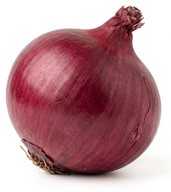 Red onion
Use the same weight; it is sharper and will tint the dish pink, so cook a little longer for sweetness.
 Shallot
Use the same weight; it is milder and sweeter, so reduce frying time slightly to avoid burning.


- Bird's eye green chilli
Use the same weight; heat and flavour are very close.
 Green chilli
Use 1.5 to 2 times the weight; deseed for less heat. Larger chillies are more watery.
 Fresh green chilli
Use 1.5 to 2 times the weight; chop finely and adjust heat by tasting.


 Garlic paste
Use equal weight. Fry gently in oil or ghee with the ginger; incorporates smoothly into curries without visible minced bits.
 Garlic powder
Use 15% to 20% of the weight (about 1 g for every 5 to 6 g fresh cloves). Whisk into sauces; gives a savoury, toasted garlic flavour without raw pungency.
- Shallot
Use 1.5 times the weight, very finely minced. Sauté until golden; provides savoury allium sweetness, though it lacks garlic's pungent sulphur bite.


 Tomato purée
Use 40% to 50% of the fresh tomato weight mixed with a splash of water. Imparts a deeper red colour, thicker sauce, and slightly sweeter cooked flavour.
 Plain yogurt
Use 60% of the weight, whisked smooth and added on low heat. Provides rich body and sourness, though the gravy becomes paler and creamier.


 Coriander leaf
Use equal weight, chopped fresh and stirred in off the heat or used as garnish. Matches the citrus-herbal profile identically.
 Mint
Use 40% to 50% of the weight; chop finely and add at the very end. Adds fresh herbal brightness, but shifts the aroma toward cool menthol.


 Lemon
Use the same weight; sharper and less floral, so reduce any extra souring slightly.
 Lemon juice
Use about 30 g juice per lime (2 tbsp), strain pips; add at the end for fresh sourness.
 Dried mango powder
Use 1 g amchoor for about 15 g lime juice; add early with spices; gives dry mango sourness, not citrus aroma.


Similar dishes

- Same: Bengali Begun Bhaja shares aubergine, chilli and salt with this dish, and it can use mustard oil like this dish.
- Different: Bengali Begun Bhaja uses turmeric and mild chilli powder on thick aubergine rounds and is shallow-fried, while this dish uses onion, garlic, tomato, lime and coriander and is smoked then mashed.
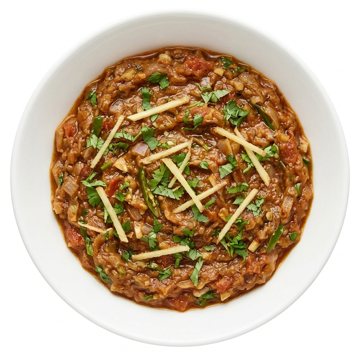
- Same: Both are smoky mashed aubergine dishes with green bird's-eye chilli, garlic, tomato, coriander and salt, and both are soft and tangy.
- Different: Baingan Ka Bharta uses vegetable oil instead of mustard oil, has more onion and tomato plus tomato purée, ground turmeric, mild chilli powder and fresh ginger, and finishes with lemon juice rather than lime.
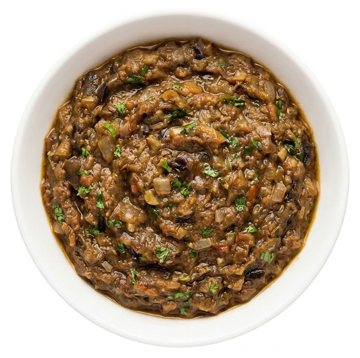
- Same: Baigan ka Bharta shares with this dish a base of smoky mashed aubergine with onion, tomato, green chilli, coriander and salt.
- Different: Baigan ka Bharta uses 800 g aubergine, 106 g ghee plus groundnut oil, garlic, ginger, clove, cumin seed, turmeric and chilli powder, while this dish uses mustard oil, lime and no ghee or those ground spices.

- Same: Namak ke Baigan shares aubergine, mustard oil and salt with this dish, and both rely on mustard oil as the main fat.
- Different: Namak ke Baigan uses thick aubergine slices shallow-fried in 40.5 g mustard oil with only salt, while this dish mashes smoked aubergine with onion, green chilli, garlic, tomato, coriander and lime.