Indian cooking
Indian cooking / Dishes / Vangi Bhaath
Vangi Bhaath (Rice with Aubergine (Eggplant))

Vangi Bhaath

Rice with Aubergine (Eggplant)
Vegetarian●●●Origin Karnataka/CoastalPrep 45 minutes, plus soaking timeCook 20 minutes

A fragrant spiced rice dish tossed with tender aubergine, roasted lentils, and grated coconut. It delivers a deeply savoury, warm profile with a slight kick of heat balanced by a hint of fresh lime.

Roasting spice

1.8 gToasted dry with chana dal (step 2)
01
1.8 g1 teaspoon
spice
Keep as ground coriander ready for dry-toasting.

Tempering seeds

10 gFried first in the hot oil (step 3)
01
10 g1 tablespoon
spice
Keep whole: they go into the hot oil first.

Whole chillies

4 gAdded to the pan with curry leaves and aubergine (step 4)
Leave whole.

Spices for the aubergine mixture

4.2 gStirred into the cooked aubergine (step 5)
01
1.3 g1 piece
spice
02
0.3 g4 cloves
spice
03
2.6 g1 teaspoon
spice
Combine the whole cinnamon, cloves, and chilli powder together in a small bowl.

Everything else

01
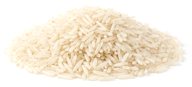
Rice · Chawalrinsed and drained
500 g
grain
02
Chana dalrinsed and drained
38 g3 tablespoons
legume
03
54 g4 tablespoons
oil/fat
04
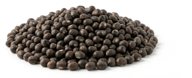
Black gram · Urad Dalrinsed and drained
13 g1 tablespoon
legume
05
Chana dalrinsed and drained
13 g1 tablespoon
legume
06
1.5 g6 leaves
herb
07
Aubergine · Baingantrimmed and cut into slices lengthways
500 g
vegetable
08
30 g¼ ball
nut/seed
09
50 g1 lime
fruit
10
to taste
salt
11
1 g1 tablespoon
herb

Method

  1. Submerge 500 g rice in water to soak for 20 minutes, then drain completely. Transfer to a pot with fresh water and salt to taste, bring to a boil, and cook for 18–20 minutes until tender.
  2. Place a dry frying pan over medium heat, add the roasting spice and 37.8 g chana dal, and toast for 1 minute until fragrant. Transfer to a spice grinder or pestle and mortar and grind to a fine powder.
  3. Heat 54 g vegetable oil in a wide, heavy-based pan over medium heat. Tip in the tempering seeds and fry for 30–40 seconds until they darken lightly, then add 12.9 g urad dal and 12.6 g chana dal and cook for 1–2 minutes until golden.
  4. Add 1.5 g curry leaf, the whole chillies, and 500 g aubergine to the pan. Sauté over medium heat for 5 minutes until the aubergine pieces begin to soften.
  5. Tip in the spices for the aubergine mixture along with 30 g dried coconut and the ground coriander-dal mixture. Fry everything together for 2 minutes, remove from the heat, and stir in the juice of 1 lime.
  6. Gently fold the spiced aubergine mixture through the warm cooked rice until evenly distributed. Scatter over 1 g coriander leaf before serving.

Don't have something?

Rice
  • Basmati rice

    Use the same weight; rinse and soak as needed. Fluffier and drier, so use slightly less water.

  • Long-grain rice

    Use the same weight; similar behaviour, adjust water to your usual method.

  • Short-grain rice

    Use the same weight; stickier and softer, so reduce water and avoid stirring.

Ground coriander
  • Coriander seeds

    Dry-roast lightly in a pan and grind to a fine powder; use equal weight (1:1). Offers a noticeably fresher, brighter citrus note.

  • Ground cumin

    Use 50% to 75% of the weight. Lacks the floral, citrusy profile of coriander and turns the gravy heavier, earthier, and darker.

  • Garam masala

    Use 50% of the weight and stir in near the end of cooking. Adds warmth and depth since it contains ground coriander, but introduces stronger spices like clove and cinnamon.

Chana dal
  • Yellow split peas

    Use 100% of the weight. Soak for at least 1 hour; takes about 10 minutes longer to cook through and has a marginally earthier flavour.

  • Pigeon peas

    Use 100% of the weight. Reduces cooking time by about 10 minutes and breaks down softer, giving a smoother consistency rather than distinct grains.

  • Black gram

    For tempering or tadka only: use 70% of the weight. Browns faster in hot oil, providing a nutty, crunchy bite.

Vegetable oil
  • Peanut oil

    Use 1:1 by weight. Handles high-heat frying identically and introduces a very subtle, pleasant nuttiness.

  • Ghee

    Use 1:1 by weight. Yields a much richer, authentic aroma and a glossy, heavier mouthfeel.

  • Mustard oil

    Use 1:1 by weight. Heat until smoking, then cool slightly before cooking to temper its intensely pungent, sharp mustard kick.

Mustard seed
  • Black mustard seed

    Use the same weight. The seeds are smaller and hotter; fry in hot oil until they pop, about 20–30 seconds, and reduce the heat if they darken too fast. The dish will be a little sharper.

  • Yellow mustard seeds

    Use the same weight. They are milder and larger; fry a few seconds longer until they pop. The finished dish will have less pungency.

  • Ground mustard seed

    Use 70% of the weight of whole seed, added with the other ground spices rather than fried whole. You lose the popping texture and the heat comes through more evenly.

Urad dal
  • Whole black gram

    Use equal weight. Needs longer soaking and cooking; the dark skins impart an earthy flavour and greyish-black hue unless thoroughly rubbed off.

  • Chana dal

    Use equal weight when tempering (tadka). Provides a comparable nutty, crunchy texture in hot oil, though grains are slightly larger.

  • Split mung beans

    Use equal weight for batters or dals. Ferments and cooks faster, producing a lighter, less sticky, and less viscous consistency.

Curry leaf
  • Bay leaf

    Fry 1 bay leaf for every 5 curry leaves in hot oil; imparts a warm, woodsy background note, but misses the citrus-sulphury punch entirely.

  • Lime juice

    Add a small squeeze (about 5 ml per sprig of curry leaves) right before serving; provides sharp citrus top notes without the toasty, herbal aroma.

Dried red chilli
  • Dried kashmiri chilli

    Use equal weight whole. Fry in hot oil or ghee as tempered spice; gives a richer red colour with slightly milder heat.

  • Red chilli powder

    Use 50% to 70% of the weight. Stir into the oil with ground spices; distributes heat evenly throughout the dish without whole chilli skins.

Aubergine
  • Baby aubergine

    Use the same weight; halve or quarter and cook 2–3 minutes longer. They hold their shape better in the sauce.

  • Small aubergine

    Use the same weight; slice or cube to the recipe's size. Similar flesh, slightly firmer.

  • Round aubergine

    Use the same weight; cube and salt for 10 minutes if the recipe does. It absorbs oil a little more.

Cassia bark
  • Ceylon cinnamon

    True cinnamon: thinner, papery quills, milder and sweeter. Use about 1.5 times the weight, and taste.

  • Ground cinnamon (cassia)

    Use about a third of the weight (0.5 g ground for a 2.5 cm piece), stirred in with the ground spices rather than fried whole, since the powder burns quickly.

  • Cassia buds

    Use 60-70% of the weight; stronger and more peppery, so taste before adding more.

Clove
  • Ground cloves

    Use 1 g ground for 4 g whole (or 1 small pinch per 2 to 3 whole cloves). Add with spice powders; disperses intense warmth quickly, so use with restraint.

  • Allspice berries

    Use 100% of the weight whole in tempering. Imparts a warm, clove-like aromatic profile combined with hints of nutmeg and cinnamon.


  • Black cardamom pod

    Use 1 pod for 3 to 4 cloves in whole tempering. Shares a camphor-like warmth and medicinal depth, though it introduces a distinct smoky undertone.

Dried coconut
  • Desiccated coconut

    Use equal weight; texture is much finer, so roast very cautiously over low heat if the recipe requires browning for spice pastes.

  • Fresh coconut

    Finely slice or grate and use 140% of the weight to offset the extra water, or dry-roast in a bare pan until moisture evaporates completely.

Chilli powder
  • Red chilli powder

    Use 100% of the weight. Provides direct, sharp heat and red colour in equal measure.

  • Kashmiri chilli powder

    Use 150% to 200% of the weight if matching colour, but add a pinch of black pepper or hot chilli if you need equivalent fiery heat.

  • Cayenne pepper

    Use 75% to 100% of the weight. Offers a sharp, clean heat with slightly less earthy depth and less crimson colour.

Lime
  • Lemon

    Use the same weight; sharper and less floral, so reduce any extra souring slightly.

  • Lemon juice

    Use about 30 g juice per lime (2 tbsp), strain pips; add at the end for fresh sourness.

  • Dried mango powder

    Use 1 g amchoor for about 15 g lime juice; add early with spices; gives dry mango sourness, not citrus aroma.

Coriander leaf
  • Coriander

    Use equal weight finely chopped; this is the exact same fresh herb.

  • Mint

    Use half the weight finely chopped; provides vibrant green freshness, though the flavour profile becomes noticeably cooler and sharper.

Similar dishes

Gutti Vengkayya
Stuffed Aubergines (Eggplant) from Andhra
It is tangier and more pungent from the tamarind and asafoetida, lacking the sweet, warm notes of coconut, cinnamon, and cloves found in this dish.
  • Same: Gutti Vengkayya also features aubergine cooked in vegetable oil with mustard seeds, curry leaves, dried red chillies, and roasted chana and urad dal.
  • Different: Instead of tossing aubergine with rice, coconut, and whole warming spices, it stuffs the aubergines and simmers them in a heavy onion base seasoned with cumin, turmeric, asafoetida, and tamarind.
Dahi ke Baigan
Aubergine (Eggplant) in Mild Yoghurt Sauce
Dahi ke Baigan tastes mild and tangy from yoghurt, whereas this dish tastes savoury and warm with more chilli heat and a lime finish.
  • Same: Dahi ke Baigan shares aubergine, vegetable oil, mustard seed, curry leaf, dried red chilli and chilli powder with this dish.
  • Different: Dahi ke Baigan uses yoghurt, ginger paste, garlic paste, green chilli, asafoetida, cumin and turmeric and is pan-fried in a yoghurt sauce, while this dish is a rice dish with chana dal, urad dal, coconut, cinnamon, clove and lime.
Kathirakkai Poriyal
Curried Aubergines (Eggplant)
It delivers a sharp, sour tang from tamarind and savoury depth from onions and asafoetida rather than the sweet, warm cinnamon and clove notes of this dish.
  • Same: Kathirakkai Poriyal also features aubergine cooked in vegetable oil with mustard seeds, urad dal, curry leaves, dried red chillies, and coriander.
  • Different: It is a dry vegetable stir-fry prepared with onions, tamarind extract, turmeric, and asafoetida, omitting the rice, chana dal, cinnamon, and cloves of this dish.
Moru Kalli
Yoghurt & Rice Flour Savoury
Moru Kalli tastes sharply tangy from yoghurt and pungent with green chillies, lacking the warm clove spice and rich dried coconut profile of this dish.
  • Same: Moru Kalli shares the South Indian tempering base of mustard seeds, urad dal, dried red chillies, and curry leaves with this dish.
  • Different: Moru Kalli is cooked into a soft cake from rice flour and yoghurt with green chillies and asafoetida, whereas this dish tosses whole rice grains and aubergine with chana dal, dried coconut, cinnamon, and cloves.