Indian cooking
Indian cooking / Dishes / Moru Kalli
Moru Kalli (Yoghurt & Rice Flour Savoury)

Moru Kalli

Yoghurt & Rice Flour Savoury
Vegetarian●●●Origin Tamil NaduPrep 10–15 minutesCook 15 minutes

Moru kalli is a traditional South Indian savoury cake made from cooked rice flour and yoghurt tempered with spices. It has a soft, tender bite with a pleasantly tangy flavour accented by fiery chillies and aromatic curry leaves.

Tempering spices

8 gFried in the hot oil (step 3)
01
3.3 g1 teaspoon
spice
02
2.8 g1 teaspoon
spice
03
2 g2 chillies
spice
Keep whole: they go into the hot oil together.

Everything else

01
68 g5 tablespoons
oil/fat
04
2 g2 tablespoons
herb
05
to taste
salt
06
27 g2 tablespoons
oil/fat
07
Green chilli · Hari Mirchde-seeded and finely chopped
36 g6 chillies
vegetable
08
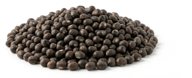
Black gram · Urad Dalrinsed and drained
4.3 g1 teaspoon
legume
09
~1 g1 sprig
herb

Method

  1. Lightly grease a rimmed plate using a teaspoon of oil from the 5 tablespoon oil and set it aside.
  2. Whisk 125 g yoghurt with 250 ml water in a bowl until uniform. Gradually whisk in 150 g rice flour a little at a time to form a smooth, lump-free batter, then mix in salt to taste and 2 g coriander leaf.
  3. Heat 2 tablespoon oil in a deep, heavy-based pan over medium heat. Add the tempering spices, 36 g green chilli, 4.3 g urad dal and 1 g curry leaf, then fry for 1 minute until the mustard seeds begin to pop.
  4. Pour 250 ml water into the pan and bring it to a boil over high heat. Turn the heat down to low, pour in the yoghurt-rice batter, and cook for 5 to 7 minutes while stirring constantly to avoid lumps, until the liquid is nearly all absorbed.
  5. Add the remaining 4 tablespoon oil to the pan and continue stirring briskly until the cooked paste pulls away from the base and sides.
  6. Tip the mixture onto the greased plate, smooth the top flat using a spatula, and leave to cool completely before cutting into diamond-shaped portions.

Don't have something?

Sesame oil
  • Mustard oil

    Use the same weight. Heat until smoking, then cool for 2 minutes before cooking; it is pungent and changes the flavour strongly.

  • Groundnut oil

    Use the same weight. It is neutral, so add 1 tsp toasted sesame seeds for aroma.

  • Vegetable oil

    Use the same weight. It is neutral and lacks sesame flavour; finish with a few drops of toasted sesame oil if you have it.

Sour yoghurt
  • Soured natural yoghurt

    Use the same weight; stir well before adding. Same consistency and sourness.

  • Full-fat natural yoghurt

    Use the same weight; add 10 ml lemon juice per 200 g and rest 10 minutes. Stir before use.

  • Yogurt

    Use the same weight; whisk with lemon juice to taste. Add off the heat to avoid splitting.

Rice flour
  • Cornflour

    Use about 60–70% of the weight for thickening; for coatings use the same weight but the crust is denser.

  • Plain flour

    Use the same weight for coatings; contains gluten, browns faster and is less crisp.

  • Fine semolina

    Use the same weight for crisp coatings; coarser texture and needs a short rest.

Coriander leaf
  • Coriander

    Use equal weight finely chopped; this is the exact same fresh herb.

  • Mint

    Use half the weight finely chopped; provides vibrant green freshness, though the flavour profile becomes noticeably cooler and sharper.

Mustard seed
  • Black mustard seed

    Use the same weight. The seeds are smaller and hotter; fry in hot oil until they pop, about 20–30 seconds, and reduce the heat if they darken too fast. The dish will be a little sharper.

  • Yellow mustard seeds

    Use the same weight. They are milder and larger; fry a few seconds longer until they pop. The finished dish will have less pungency.

  • Ground mustard seed

    Use 70% of the weight of whole seed, added with the other ground spices rather than fried whole. You lose the popping texture and the heat comes through more evenly.


Asafoetida
  • Garlic powder

    Use double the weight. Stir into hot oil just before adding wet ingredients; mimics the allium savoury background without the sulphurous edge.

  • Garlic paste

    Use 2 g for every 0.5 g of asafoetida. Sauté in oil until the raw smell clears; adds moisture and sweet allium depth.

Dried red chilli
  • Dried kashmiri chilli

    Use equal weight whole. Fry in hot oil or ghee as tempered spice; gives a richer red colour with slightly milder heat.

  • Red chilli powder

    Use 50% to 70% of the weight. Stir into the oil with ground spices; distributes heat evenly throughout the dish without whole chilli skins.

Green chilli
  • Chilli powder

    Use 10 to 15% of the weight (about 1/4 teaspoon per chilli); imparts dry pungent heat and reddens the dish without the grassy crunch.

  • Dried red chilli

    Use 1 dried pod per fresh green chilli; snap in half and temper in hot oil for a deeper, toastier heat.

Urad dal
  • Whole black gram

    Use equal weight. Needs longer soaking and cooking; the dark skins impart an earthy flavour and greyish-black hue unless thoroughly rubbed off.

  • Chana dal

    Use equal weight when tempering (tadka). Provides a comparable nutty, crunchy texture in hot oil, though grains are slightly larger.

  • Split mung beans

    Use equal weight for batters or dals. Ferments and cooks faster, producing a lighter, less sticky, and less viscous consistency.

Curry leaf
  • Bay leaf

    Fry 1 bay leaf for every 5 curry leaves in hot oil; imparts a warm, woodsy background note, but misses the citrus-sulphury punch entirely.

  • Lime juice

    Add a small squeeze (about 5 ml per sprig of curry leaves) right before serving; provides sharp citrus top notes without the toasty, herbal aroma.

Similar dishes

Puli Bongaralu
Rice Flour & Lentil Snacks
It tastes dense, savoury, and onion-forward with a crisp exterior, lacking the sour dairy tang and tender texture of this dish.
  • Same: Puli Bongaralu also uses a rice flour base tempered with mustard seeds, urad dal, curry leaves, asafoetida, and both green and dried red chillies.
  • Different: It adds a large amount of urad dal, chana dal, onions, and ginger and is fried in vegetable oil, omitting the yoghurt cooked into this dish.
Arisi Upama
Savoury Rice Snack
It tastes earthy, peppery, and rich with coconut, lacking the sour, tangy bite provided by the yoghurt in this dish.
  • Same: Arisi Upama shares a rice base tempered with mustard seeds, urad dal, asafoetida, curry leaves, and hot chillies.
  • Different: Instead of rice flour cooked into a soft cake with yoghurt, it uses broken rice cooked in vegetable oil with cumin seeds, black pepper, and grated fresh coconut.
Masala Idli
Spicy Steamed Rice Dumplings
Masala Idli tastes nutty, aromatic, and gently fermented rather than sharply sour and fiery like this dish.
  • Same: Both are soft South Indian rice-based savoury cakes tempered with mustard seeds, urad dal, green chillies, curry leaves, and asafoetida.
  • Different: Masala Idli is steamed from a fermented rice and urad dal batter with fresh coconut, chana dal, cumin, and ginger, rather than cooking rice flour with yoghurt and dried red chillies in a pot.
Maddur Vada
Semolina & Rice Patties
Maddur Vada tastes crunchy and savoury with ghee and lentil notes, while this dish tastes soft, tender, and tangy from yoghurt.
  • Same: Maddur Vada and this dish are both South Indian rice-flour snacks seasoned with green chilli, asafoetida, coriander leaf, and salt.
  • Different: Maddur Vada adds fine semolina, chana dal, ghee, and vegetable oil and lacks this dish's sour yoghurt, sesame oil, mustard seed, urad dal, dried red chilli, and curry leaf, and it is a crisp patty rather than a soft cooked rice-flour and yoghurt cake.