Indian cooking
Indian cooking / Dishes / Kathirakkai Poriyal
Kathirakkai Poriyal (Curried Aubergines (Eggplant))

Kathirakkai Poriyal

Curried Aubergines (Eggplant)
Vegetarian●●●Origin Tamil NaduPrep 30 minutesCook 10–15 minutes

A comforting South Indian dry curry of tender aubergine pieces tossed in a freshly roasted coconut, lentil, and spice mix. The dish delivers warm savoury heat balanced by a mild tang of tamarind.

Whole spices for the powder

8 gSautéed with the dal in step 2
01
5 g1 tablespoon
spice
02
1.4 g½ teaspoon
spice
03
2–3 g2–3 chillies
spice
Leave whole; they are fried before being ground.

Ground turmeric

1.5 gStirred in with the aubergines in step 6
01
1.5 g½ teaspoon
spice
Keep ready to add directly to the vegetables.

Tempering spices

4.3 gBloomed in the hot oil in step 5
01
3.3 g1 teaspoon
spice
02
1 g1 chilli
spice
Keep whole; they fry together to start the curry.

Everything else

01
500 g
vegetable
02
Onion · Pyazthinly sliced
300 g2 onions
vegetable
03
to taste
salt
04
18 g4 teaspoons
oil/fat
05
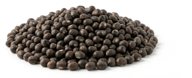
Black gram · Urad Dalrinsed and drained
9 g2 teaspoons
legume
06
30 g2 tablespoons
nut/seed
08
27 g2 tablespoons
oil/fat
09
~1 g1 sprig
herb

Method

  1. Quarter 500 g aubergines and set them aside.
  2. Heat half of the 18 g vegetable oil for the spice powder in a deep frying pan over medium heat. Tip in the whole spices for the powder along with 8.6 g urad dal and stir-fry for roughly 2 minutes until fragrant, then transfer to a bowl.
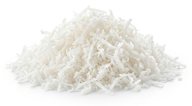
  3. Warm the remaining oil for the spice powder in the pan over medium heat. Add 2 tablespoon coconut and toast for 1–2 minutes until golden, ensuring it does not scorch.
  4. Combine the toasted coconut with the fried spices and dal, 5.2 g tamarind extract, and a pinch of salt to taste. Blitz in a blender until finely ground into a spice powder.
  5. Pour 27 g vegetable oil for the tempering into the pan over medium heat. Add the tempering spices and 1 g curry leaf, cooking for about 1 minute until the mustard seeds crackle. Add 300 g onion and sauté for 2 minutes.
  6. Stir in the quartered aubergines, the ground turmeric, salt to taste, and 4 tablespoons of water. Cover, lower the heat, and simmer gently for about 10 minutes until the aubergines are completely tender and the pan is dry.
  7. Scatter the ground spice powder over the aubergines, fold through gently, and remove from the heat.

Don't have something?

Aubergine
  • Baby aubergine

    Use the same weight; halve or quarter and cook 2–3 minutes longer. They hold their shape better in the sauce.

  • Small aubergine

    Use the same weight; slice or cube to the recipe's size. Similar flesh, slightly firmer.

  • Round aubergine

    Use the same weight; cube and salt for 10 minutes if the recipe does. It absorbs oil a little more.

Ground turmeric
  • Ground ginger

    Use 50% of the weight. Mimics turmeric's warm, earthy, rhizome background, but provides none of the golden-yellow colour.

  • Saffron

    Steep a tiny pinch (0.1 g per 2 g turmeric) in 2 tbsp warm water; use to match the rich golden hue. Contributes an aristocratic, honeyed floral flavour rather than earthy bitterness.

Onion
  • Shallot

    Use equal weight, finely sliced. Shallots soften and brown faster, giving a slightly sweeter and more delicate base to curries.

  • Cabbage

    Use 80% of the weight, finely shredded and browned slowly with a pinch of asafoetida. Replicates the bulk and natural sweetness in gravies without allium.

Vegetable oil
  • Peanut oil

    Use 1:1 by weight. Handles high-heat frying identically and introduces a very subtle, pleasant nuttiness.

  • Ghee

    Use 1:1 by weight. Yields a much richer, authentic aroma and a glossy, heavier mouthfeel.

  • Mustard oil

    Use 1:1 by weight. Heat until smoking, then cool slightly before cooking to temper its intensely pungent, sharp mustard kick.

Coriander seeds
  • Ground coriander

    Use 75% of the weight; stir in along with wet masala or tomato purée rather than frying in hot oil, as the fine powder burns instantly.

  • Cumin seed

    Use 50% of the weight for tempering in hot oil. Lacks the floral, sweet citrus flavour of coriander, introducing warm, pungent earthiness instead.

  • Fennel seed

    Use 50% of the weight in tempering; provides pleasant aromatic sweetness, though noticeably aniseedy rather than citrusy.

Asafoetida
  • Garlic powder

    Use double the weight. Stir into hot oil just before adding wet ingredients; mimics the allium savoury background without the sulphurous edge.

  • Garlic paste

    Use 2 g for every 0.5 g of asafoetida. Sauté in oil until the raw smell clears; adds moisture and sweet allium depth.

Dried red chilli
  • Dried kashmiri chilli

    Use equal weight whole. Fry in hot oil or ghee as tempered spice; gives a richer red colour with slightly milder heat.

  • Red chilli powder

    Use 50% to 70% of the weight. Stir into the oil with ground spices; distributes heat evenly throughout the dish without whole chilli skins.

Urad dal
  • Whole black gram

    Use equal weight. Needs longer soaking and cooking; the dark skins impart an earthy flavour and greyish-black hue unless thoroughly rubbed off.

  • Chana dal

    Use equal weight when tempering (tadka). Provides a comparable nutty, crunchy texture in hot oil, though grains are slightly larger.

  • Split mung beans

    Use equal weight for batters or dals. Ferments and cooks faster, producing a lighter, less sticky, and less viscous consistency.

Grated fresh coconut
  • Fresh coconut

    Use the same weight and grate finely; no real change, just more work.

  • Desiccated coconut

    Use 60–70% of the weight, soak in 2 tbsp warm milk or water for 10 minutes and squeeze dry; drier and sweeter, so reduce added sugar.

  • Dried coconut

    Use 60% of the weight, soak in warm water for 20 minutes, then grate or grind; coarser and less juicy.

Tamarind extract
  • Tamarind

    Use 180% of the weight of compressed tamarind; soak in three times its weight of boiling water for 15 minutes, knead, and strain out the thick pulp.

  • Dried mango powder

    Use 35% of the weight dissolved in two tablespoons of warm water. Provides sharp tang, though the resulting sauce will be lighter in colour.

  • Lemon juice

    Use equal weight, added right at the end of cooking. Adds sharp acidity without the deep brown hue or pulpy thickness.

Mustard seed
  • Black mustard seed

    Use the same weight. The seeds are smaller and hotter; fry in hot oil until they pop, about 20–30 seconds, and reduce the heat if they darken too fast. The dish will be a little sharper.

  • Yellow mustard seeds

    Use the same weight. They are milder and larger; fry a few seconds longer until they pop. The finished dish will have less pungency.

  • Ground mustard seed

    Use 70% of the weight of whole seed, added with the other ground spices rather than fried whole. You lose the popping texture and the heat comes through more evenly.


Curry leaf
  • Bay leaf

    Fry 1 bay leaf for every 5 curry leaves in hot oil; imparts a warm, woodsy background note, but misses the citrus-sulphury punch entirely.

  • Lime juice

    Add a small squeeze (about 5 ml per sprig of curry leaves) right before serving; provides sharp citrus top notes without the toasty, herbal aroma.

Similar dishes

Gutti Vengkayya
Stuffed Aubergines (Eggplant) from Andhra
Gutti Vengkayya tastes richer and oilier, with more pronounced chilli heat and stronger earthy notes from cumin and coriander.
  • Same: Both dishes cook aubergines and onions in vegetable oil with tamarind extract, urad dal, mustard seeds, curry leaves, turmeric, and dried red chillies.
  • Different: Gutti Vengkayya uses whole stuffed aubergines rather than chopped pieces, uses twice as much vegetable oil, and incorporates cumin seeds and chana dal.
Venkayya Thuvaiyal
Tangy Mashed 'Southern' Aubergines (Eggplant)
Venkayya Thuvaiyal has a sharper, punchier chilli heat with a pronounced charred, smoky depth compared to the milder, warm savoury tang of this dish.
  • Same: Both South Indian dishes feature aubergine cooked with urad dal, dried red chillies, asafoetida, tamarind, and vegetable oil.
  • Different: Venkayya Thuvaiyal is prepared as a smoky aubergine mash enriched with chana dal and fresh green chillies, omitting the onions, mustard seeds, coriander seeds, turmeric, and curry leaves found in this dry curry.
Dahi ke Baigan
Aubergine (Eggplant) in Mild Yoghurt Sauce
Dahi ke Baigan is cooler, creamier, and milder with dairy tang rather than the dry, earthy, tamarind-accented spice heat of this dish.
  • Same: Dahi ke Baigan also features aubergine cooked in vegetable oil with a tempering of mustard seeds, curry leaves, dried red chilli, turmeric, and asafoetida.
  • Different: Instead of making a dry stir-fry with onions, coriander seeds, urad dal, and tamarind, Dahi ke Baigan coats pan-fried aubergine slices in a sauce of yogurt, ginger, garlic, and fresh green chillies.
Kathirikkai Rasam
Aubergine (Eggplant) Rasam
Kathirikkai Rasam is substantially more sour, brothy, and sharp with black pepper, contrasting with the dry, mildly tangy, and savoury profile of this dish.
  • Same: Both dishes feature aubergine seasoned with tamarind, turmeric, coriander seeds, asafoetida, mustard seeds, dried red chillies, and curry leaves.
  • Different: Kathirikkai Rasam is a soupy broth containing tomatoes, toor dal, cumin, fenugreek, and black peppercorns, whereas this dish is a dry-cooked curry made with onions and urad dal without tomatoes.