
Bombil Machli, Baingan aur Chigur
A pungent, sour, and savoury curry combining crisp-fried dried Bombay duck with tender aubergines and tart young tamarind leaves.
Aromatics and ground spices
14 gStir-fried with the browned onions in step 3Everything else

Method
- Slice the 8 dried Bombay ducks into 4-cm (1½-inch) lengths, wash thoroughly under cold running water, and pat completely dry with kitchen paper.
- Warm 164 g vegetable oil in a deep, heavy skillet over medium heat. Slide in the fish pieces and fry until thoroughly crisp, then transfer them to a plate using a slotted spoon and set aside.
- Bring the oil in the skillet back to temperature over medium heat. Tip in 300 g sliced onion and sauté for 5 to 7 minutes, stirring until golden brown, then add the aromatics and ground spices and cook for 1 minute.
- Tumble in 250 g aubergine and stir-fry for an additional 3 minutes to coat in the spiced oil.
- Scatter in 24–36 g chopped green chilli, 120 g chigur, and salt to taste, then pour in 250 ml water. Reduce the heat and leave everything to simmer gently until the tamarind leaves are soft.
Don't have something?


 White fish fillet
Use same weight; cut into chunks and simmer gently for 5–8 minutes, depending on thickness.
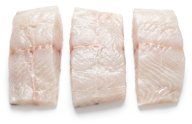 Firm white fish fillet
Use same weight; it holds together better in curry, so simmer 8–10 minutes.
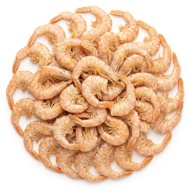 Dried prawn
Only if the recipe intends dried Bombay duck; use half the weight, rinse well and add early to the oil.


 Peanut oil
Use 1:1 by weight. Handles high-heat frying identically and introduces a very subtle, pleasant nuttiness.
 Ghee
Use 1:1 by weight. Yields a much richer, authentic aroma and a glossy, heavier mouthfeel.
 Mustard oil
Use 1:1 by weight. Heat until smoking, then cool slightly before cooking to temper its intensely pungent, sharp mustard kick.






 Fresh ginger
Use equal weight; peel and grate very finely on a microplane or pound to a fine paste in a mortar.
 Ginger
Use equal weight; mince finely and crush with the flat of a knife before frying.
 Ground ginger
Use 20% of the weight; add directly with the dry spice powders, though it yields an earthier, less pungent profile.


 Garlic
Use equal weight; crush or finely grate to a smooth pulp to replicate the same fresh, pungent moisture in your base gravy.
 Garlic powder
Use 20 to 25% of the weight; mix with a teaspoon of water before adding to oil so it does not burn, noting it lacks the fresh bite.


- Ground ginger
Use 50% of the weight. Mimics turmeric's warm, earthy, rhizome background, but provides none of the golden-yellow colour.
 Saffron
Steep a tiny pinch (0.1 g per 2 g turmeric) in 2 tbsp warm water; use to match the rich golden hue. Contributes an aristocratic, honeyed floral flavour rather than earthy bitterness.


 Red chilli powder
Use 100% of the weight. Provides direct, sharp heat and red colour in equal measure.
 Kashmiri chilli powder
Use 150% to 200% of the weight if matching colour, but add a pinch of black pepper or hot chilli if you need equivalent fiery heat.
 Cayenne pepper
Use 75% to 100% of the weight. Offers a sharp, clean heat with slightly less earthy depth and less crimson colour.


 Baby aubergine
Use the same weight; halve or quarter and cook 2–3 minutes longer. They hold their shape better in the sauce.
 Small aubergine
Use the same weight; slice or cube to the recipe's size. Similar flesh, slightly firmer.
 Round aubergine
Use the same weight; cube and salt for 10 minutes if the recipe does. It absorbs oil a little more.


- Chilli powder
Use 10 to 15% of the weight (about 1/4 teaspoon per chilli); imparts dry pungent heat and reddens the dish without the grassy crunch.
 Dried red chilli
Use 1 dried pod per fresh green chilli; snap in half and temper in hot oil for a deeper, toastier heat.


 Tamarind extract
Use 5–10 g for every 50 g leaves, taste and add near the end. It gives sourness but no leafy green texture.
 Dried mango powder
Use 2–3 g for every 50 g leaves, sprinkle in with the spices. It gives dry sourness with no green note.
 Lemon juice
Use 10–15 g for every 50 g leaves, stir in off the heat. It gives bright sourness only.


Similar dishes
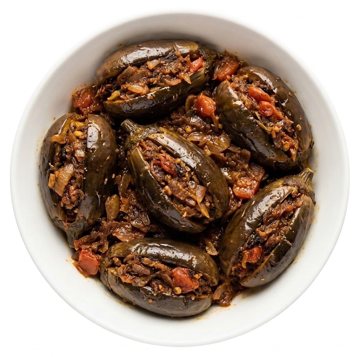
- Same: Bharwan Baigan shares aubergine, onion, ginger paste, garlic paste, turmeric and chilli powder with this dish.
- Different: Bharwan Baigan uses mustard oil, tomato, clove, coriander and garam masala and stuffs slit aubergines, while this dish is a curry of crisp-fried dried Bombay duck, aubergine and tamarind leaves in vegetable oil with green chilli.

- Same: Dahi ke Baigan shares aubergine, green chilli, ginger paste, garlic paste, turmeric, chilli powder, vegetable oil and salt with this dish.
- Different: Dahi ke Baigan uses yogurt, cumin, asafoetida, mustard seed, dried red chilli and curry leaf, and lacks this dish's dried Bombay duck, onion and young tamarind leaves; it pan-fries aubergine and adds a tempering, while this dish crisp-fries dried fish and cooks a curry.

- Same: Tikha Maslyatil Tali Macchi also cooks fish in vegetable oil using a spice base of ginger paste, garlic paste, green chillies, turmeric, and chilli powder.
- Different: Unlike this curried dish with onions, aubergines, and tamarind leaves, it is a direct fish fry flavored with lime juice, ground cumin, and ground coriander.

- Same: Meen Dakhani shares a vegetable oil base seasoned with onions, green chillies, ginger, garlic, turmeric, and chilli powder, using tamarind to sour the fish.
- Different: Meen Dakhani adds cumin seeds, mustard seeds, curry leaves, coriander, and tamarind extract in far less oil, omitting the fried dried Bombay duck, aubergines, and fresh tamarind leaves found in this dish.