Indian cooking
Indian cooking / Dishes / Kala Saranga
Kala Saranga (Black Pomfret)

Kala Saranga

Black Pomfret
Non-vegetarian●●●Origin CoastalPrep 20 minutesCook 30 minutes

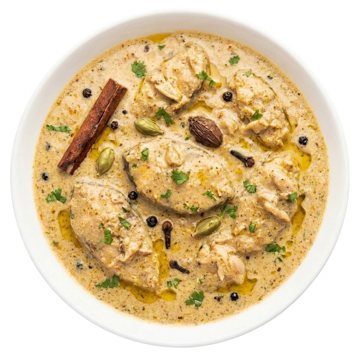
Black pomfret is steeped in a tangy lime-and-turmeric rub, coated with a warm, coarsely ground spice paste, and pan-roasted inside a leaf or foil parcel until tender and aromatic.

Initial marinade spice

3 gMixed into the lime juice and salt for the primary rub (step 1)
01
3 g1 teaspoon
spice
Keep as ground powder; mix directly with the lime juice.

Whole roasting spices

15 gDry-toasted before grinding into the paste (step 2)
01
0.8 g12 cloves
spice
02
1 g20 peppercorns
spice
03
6 g5 pieces
spice
04
6 g1 tablespoon
spice
Toast in a dry pan until lightly darkened, then grind coarsely.

Everything else

01
Whole pomfret · Papletgutted, rinsed and patted dry with kitchen paper (paper towels)
1000 g
fish
02
31 g2 tablespoons
souring agent
03
2.9 g½ teaspoon
salt
04
72 g4 tablespoons
souring agent
05
4.2 g1 teaspoon
sweetener
07
to taste
salt

Method

  1. Remove the head and fins from 1000 g fish, then slash several deep diagonal cuts across both sides of the flesh.
  2. Combine the initial marinade spice with 30.6 g lime juice and 2.9 g salt in a bowl. Rub this seasoned juice over the fish and into the slashes, then set aside in a shallow dish.
  3. Warm a dry tawa or frying pan over medium-low heat. Add the whole roasting spices and toast for roughly 30 seconds until fragrant and slightly darkened.
  4. Pound the toasted spices to a coarse consistency with a mortar and pestle, or pulse them in a spice mill. Transfer to a bowl and mix with 4.2 g granulated sugar and salt to taste, adding a trickle of water if needed to bring it together into a thick paste.
  5. Rub the spice paste thoroughly across the entire fish, pushing it deep into the incisions.
  6. Encase the fish tightly in a softened banana leaf (pinning the edges with cocktail sticks) or a sheet of kitchen foil.
  7. Place a griddle or non-stick frying pan over medium heat. Once hot, add the wrapped fish parcel and cook for 5 minutes per side, until the fish is cooked through, then serve hot.

Don't have something?

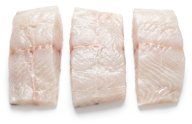
Whole pomfret
  • Whole mackerel

    Use the same weight; it is stronger and oilier, so reduce added oil and simmer slightly less.

  • Whole fish

    Use the same weight and a firm fish; score it and adjust cooking time by 3–5 minutes depending on thickness.

  • Firm white fish fillet

    Use the same weight; there are no bones, so reduce simmering by about 5 minutes and handle gently.

Ground turmeric
  • Ground ginger

    Use 50% of the weight. Mimics turmeric's warm, earthy, rhizome background, but provides none of the golden-yellow colour.

  • Saffron

    Steep a tiny pinch (0.1 g per 2 g turmeric) in 2 tbsp warm water; use to match the rich golden hue. Contributes an aristocratic, honeyed floral flavour rather than earthy bitterness.

Lime juice
  • Lemon juice

    Use equal volume or weight; slightly sweeter and less pungent, but otherwise an imperceptible swap.

  • Dried mango powder

    Use 25% of the weight; imparts dry, fruity sourness, best stirred in right at the end of cooking.

  • Tamarind extract

    Use 50% of the weight; delivers pleasant fruity tang but turns pale sauces considerably darker.

Clove
  • Ground cloves

    Use 1 g ground for 4 g whole (or 1 small pinch per 2 to 3 whole cloves). Add with spice powders; disperses intense warmth quickly, so use with restraint.

  • Allspice berries

    Use 100% of the weight whole in tempering. Imparts a warm, clove-like aromatic profile combined with hints of nutmeg and cinnamon.

  • Black cardamom pod

    Use 1 pod for 3 to 4 cloves in whole tempering. Shares a camphor-like warmth and medicinal depth, though it introduces a distinct smoky undertone.

Green cardamom pod
  • Green cardamom seed

    Use 35 to 40% of the total pod weight; lightly bruise the seeds before frying in oil to release their essential oils.

  • Ground green cardamom

    Use 20 to 25% of the pod weight (about 1 generous pinch per pod); stir in toward the end of cooking so the delicate floral notes do not dissipate.

  • White cardamom pod

    Use 1:1 by pod count or weight; crack gently before using, though it is slightly less intensely floral.

Black peppercorn
  • Coarsely ground black pepper

    Use 75% of the weight. Add midway through simmering; spreads heat evenly through the dish instead of delivering isolated bursts.

  • Ground black pepper

    Use 50% of the weight. Stir in near the end of cooking; significantly darkens light gravies and provides an immediate, sharp bite.

Cassia bark
  • Ceylon cinnamon

    True cinnamon: thinner, papery quills, milder and sweeter. Use about 1.5 times the weight, and taste.

  • Ground cinnamon (cassia)

    Use about a third of the weight (0.5 g ground for a 2.5 cm piece), stirred in with the ground spices rather than fried whole, since the powder burns quickly.


  • Cassia buds

    Use 60-70% of the weight; stronger and more peppery, so taste before adding more.

Aniseed
  • Fennel seed

    Use equal weight. Fry or grind as directed; slightly greener and less intensely sweet, but the closest liquorice-adjacent match.

  • Star anise

    Use 50% of the weight. Grind finely or infuse whole in simmering liquid and discard before serving; delivers a stronger, woodier liquorice profile.

Cumin seed
  • Ground cumin

    Use 70% of the weight; add with ground spices or sauce bases rather than hot oil tempering, where it scorches quickly and turns bitter.

  • Black cumin seeds

    Use equal weight for oil tempering. Delivers an earthy profile with an additional musky, smoky, and slightly bitter edge.

  • Fennel seed

    Use 60% of the weight for tempering; offers comparable warm aroma, but leans sweet and liquorice-like rather than savoury and earthy.

Tamarind pulp
  • Tamarind paste

    Use 70–80% of the weight, dilute with water and strain; paste is more concentrated.

  • Tamarind extract

    Use 150% of the weight and reduce; extract is thinner and less fibrous.

  • Lime juice

    Use 60% of the weight plus a pinch of jaggery; sharper and lacks body, so thicken if needed.

Granulated sugar
  • Jaggery

    Use equal weight; grate or shave finely so it dissolves rapidly, giving a warm, caramel-like sweetness and slightly darker sauce.

Large banana leaf
  • Banana leaf

    Use two smaller banana leaves overlapped to the same size; soften briefly over a flame. Same aroma and edible wrap, but watch the seam.

  • Parchment paper

    Cut to the same size and use as a wrap; no banana aroma, so add a banana leaf underneath if you have one.

  • Aluminium foil

    Use the same size as a steamer wrap; it holds shape but gives no aroma and is not eaten.

Similar dishes

Dahi ki Machhali
Fish Cooked in Yoghurt Sauce
Dahi ki Machhali tastes tangy from yogurt and mildly spiced with cardamom and ginger in a velvety sauce, while this dish tastes tangy from lime and tamarind with a warm, coarsely ground spice paste and a drier pan-roasted finish.
  • Same: Dahi ki Machhali shares with this dish fish as the main ingredient, turmeric, and whole spices including cinnamon, clove, green cardamom, and black peppercorn.
  • Different: Dahi ki Machhali uses skinless white fish fillets simmered in a yogurt gravy with onion, ginger paste, garlic paste, vegetable oil, ground coriander, chilli powder, and coriander leaf, while this dish uses whole black pomfret rubbed with lime juice and turmeric, pasted with tamarind, aniseed, cumin, sugar, and whole spices, then pan-roasted in banana leaf or foil.
Illich Maachh Annanas
Hilsa with Pineapple
Illich Maachh Annanas tastes like a rich mustard-oil curry with sweet-sour pineapple and chilli warmth, whereas this dish is tangier from lime and tamarind and drier from the spice-paste parcel roast.
  • Same: Illich Maachh Annanas shares turmeric, aniseed, clove, green cardamom, cinnamon and salt with this dish, and both are Indian fish preparations built on warm whole spices.
  • Different: Illich Maachh Annanas uses hilsa fillet in a mustard-oil gravy with ginger, bay leaf, chilli powder and pineapple slices, while this dish uses whole black pomfret with lime juice, tamarind pulp, cumin, black peppercorn and banana-leaf parcel pan-roasting.
Taleli Masala Boomla
Fried Spiced Bombay Duck
Taleli Masala Boomla tastes crisp and savoury with ginger-chilli heat and a rice-flour crust, while this dish tastes tender and aromatic with a tangy lime-turmeric rub and warm ground spice paste.
  • Same: Taleli Masala Boomla shares with this dish turmeric, cumin, clove, green cardamom, cinnamon, black peppercorn, lime, and salt.
  • Different: Taleli Masala Boomla uses Bombay duck, rice flour, sesame oil, green chilli, ginger, garlic, fenugreek, coriander, and dried red chilli and is shallow-fried, while this dish uses whole black pomfret, tamarind, aniseed, sugar, and banana leaf and is pan-roasted in a parcel.
Talela Bangda
Fried Fresh Mackerel
It tastes hotter and more sharply sour from the red chillies and tamarind, lacking the sweet, aromatic warmth of the cinnamon and cloves in this dish.
  • Same: Talela Bangda also coats fish in a spiced rub featuring ground turmeric and cumin seeds.
  • Different: Instead of parcel-roasting pomfret with lime juice, cinnamon, cloves, and sugar, it shallow-fries mackerel in vegetable oil using dried red chillies, coriander seeds, and tamarind.