Indian cooking
Indian cooking / Dishes / Hariyali Macchi
Hariyali Macchi (Monkfish Kebabs)

Hariyali Macchi

Monkfish Kebabs
Non-vegetarianPrep 30 minutes, plus marinating timeCook 10 minutes

Succulent monkfish skewers coated in an aromatic, vibrant green marinade of fresh herbs, lime leaves, and roasted spices. Quickly charred for a smoky finish with bright, tangy flavours.

First marinade aromatics

31 gRubbed onto the fish (step 2)
Stir into a paste.

Turmeric for the herb paste

1.5 gBlended with the greens (step 3)
01
1.5 g½ teaspoon
spice
Add directly to the blender.

Ground spices for the marinade

13 gStirred into the yoghurt and flour mixture (step 4)
01
8 g1 tablespoon
spice
02
5 g1 tablespoon
spice
Stir together.

Everything else

01
27 g2 tablespoons
oil/fat
02
6 g1 tablespoon
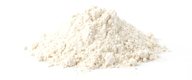
flour
03
Monkfishchunks
1800 g12 pieces
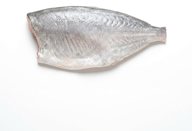
fish
04
31 g1 lemon
souring agent
05
~50 g½ bunch
herb
06
~100 g1 bunch
herb
07
~30 g1 handful
vegetable
08
0.6 g2 leaves
herb
09
Lemon juice · Nimbu Ka Rasplus extra for sprinkling
46 g3 tablespoons
souring agent
10
18 g3 chillies
vegetable
11
to taste
salt

Method

  1. Warm 1 tablespoon of the 27 g vegetable oil in a heavy pan set over low heat, tip in 1 tbsp gram flour, and stir continuously until lightly toasted and pale brown. Take the pan off the heat and leave to cool completely.
  2. Place the 12 monkfish chunks into a shallow non-reactive dish. Pour over the juice of 1 lemon, add the first marinade aromatics and salt to taste, then toss thoroughly to coat. Cover and leave to stand.
  3. Put 50 g mint, 100 g coriander leaf, 30 g spinach, and 2 chopped lime leaves into a blender. Add the remaining vegetable oil, 45.9 g lemon juice, and the turmeric for the herb paste, then blitz to a fine, smooth puree.
  4. In a wide mixing bowl, combine the cooled gram flour, the ground spices for the marinade, 18 g green chilli, and the blended green paste. Tip in the fish along with any juices, toss until well coated, and chill in the fridge for 30 minutes.
  5. Fire up a barbecue, tandoor, or overhead grill to a moderately hot setting.
  6. Cook the monkfish pieces for 3 minutes, turn them over, and cook for another 2 minutes. Turn the heat up to high and sear for 2 minutes on each side until deeply browned and just cooked through.
  7. Transfer to a platter immediately, finish with a fresh spritz of lemon juice and 0.5 tsp chaat masala, and serve hot.

Don't have something?

Vegetable oil
  • Peanut oil

    Use 1:1 by weight. Handles high-heat frying identically and introduces a very subtle, pleasant nuttiness.

  • Ghee

    Use 1:1 by weight. Yields a much richer, authentic aroma and a glossy, heavier mouthfeel.

  • Mustard oil

    Use 1:1 by weight. Heat until smoking, then cool slightly before cooking to temper its intensely pungent, sharp mustard kick.

Gram flour
  • Chickpea flour

    Use the same weight. Gram flour is chickpea flour, so this is an exact swap with the same nutty flavour and binding.

  • Plain flour

    Use about 75–80% of the weight, e.g. 80 g for 100 g gram flour, and add a pinch of turmeric for colour. Less nutty and less crisp; good only for thickening or simple batters.

  • Rice flour

    Use the same weight for crispness, but it does not bind like gram flour; mix with a little plain flour if making pakora batter.

Monkfish
  • Firm white fish fillet

    Use the same weight, cut into thick chunks. It flakes more, so add 2-3 minutes before serving rather than simmering long.

  • Whole firm white fish

    Use the same weight after cleaning and filleting; keep pieces large and reduce simmering by about 2 minutes.

  • Pomfret or haddock fillet

    Use the same weight; haddock is softer, so handle gently and cook 2 minutes less.

Lemon juice
  • Lime juice

    Use equal volume or weight; delivers almost identical sharp acidity with a faintly more aromatic, bitter-edged profile.

  • Dried mango powder

    Use 25% of the weight (about 1 g amchoor for 4 g juice); provides clean fruity tartness without thinning the sauce.

  • White vinegar

    Use 75% of the volume; gives direct sourness without any citrus floral fragrance.

Ginger paste
  • Fresh ginger

    Use equal weight; peel and grate very finely on a microplane or pound to a fine paste in a mortar.

  • Ginger

    Use equal weight; mince finely and crush with the flat of a knife before frying.

  • Ground ginger

    Use 20% of the weight; add directly with the dry spice powders, though it yields an earthier, less pungent profile.

Garlic paste
  • Garlic

    Use equal weight; crush or finely grate to a smooth pulp to replicate the same fresh, pungent moisture in your base gravy.

  • Garlic powder

    Use 20 to 25% of the weight; mix with a teaspoon of water before adding to oil so it does not burn, noting it lacks the fresh bite.

Mint
  • Dried mint

    Use about 30% of the weight of fresh mint. Rub between your palms to crush before stirring in; the flavour will be more intensely herbal and less bright.

  • Coriander leaf

    Use equal weight, finely chopped. Adds fresh citrusy green notes, but lacks the cooling menthol lift.

Coriander leaf
  • Coriander

    Use equal weight finely chopped; this is the exact same fresh herb.

  • Mint

    Use half the weight finely chopped; provides vibrant green freshness, though the flavour profile becomes noticeably cooler and sharper.

Spinach
  • Amaranth leaves

    Use equal weight; trim tough stems and cook as directed. Yields a very similar melting texture, though red varieties will tint the dish.

  • Radish leaves

    Use equal weight, finely chopped. Slightly more peppery, so sauté for two minutes longer to soften the bite.

  • Mustard greens

    Use 75% of the weight, finely shredded. Adds a robust, peppery bitterness; balance with a tiny pinch of sugar if needed.

Lime leaf
  • Curry leaf

    Use the same number or double if you want more aroma; fry in oil at the start; gives curry aroma, not citrus.

  • Lime

    Use 1 g fine lime zest for 2 lime leaves; add near the end; gives citrus oil but no floral note.

  • Bay leaf

    Use 1 bay leaf for 2 lime leaves; add early; gives herbal depth only.

Ground turmeric
  • Ground ginger

    Use 50% of the weight. Mimics turmeric's warm, earthy, rhizome background, but provides none of the golden-yellow colour.

  • Saffron

    Steep a tiny pinch (0.1 g per 2 g turmeric) in 2 tbsp warm water; use to match the rich golden hue. Contributes an aristocratic, honeyed floral flavour rather than earthy bitterness.

Ground cumin
  • Cumin seed

    Dry-roast briefly and grind finely; use equal weight (1:1). Imparts an even punchier, nuttier, toasty aroma than pre-ground cumin.

  • Ground coriander

    Use equal weight (1:1). Adds mild, lemony sweetness rather than cumin's smoky, earthy bite; curries will taste lighter and less savoury.

  • Black cumin seeds

    Grind finely; use 60% to 75% of the weight. Produces a darker, more complex, smoky-herbal flavour suited to rich gravies.

Ground coriander
  • Coriander seeds

    Dry-roast lightly in a pan and grind to a fine powder; use equal weight (1:1). Offers a noticeably fresher, brighter citrus note.

  • Ground cumin

    Use 50% to 75% of the weight. Lacks the floral, citrusy profile of coriander and turns the gravy heavier, earthier, and darker.

  • Garam masala

    Use 50% of the weight and stir in near the end of cooking. Adds warmth and depth since it contains ground coriander, but introduces stronger spices like clove and cinnamon.


Green chilli
  • Chilli powder

    Use 10 to 15% of the weight (about 1/4 teaspoon per chilli); imparts dry pungent heat and reddens the dish without the grassy crunch.

  • Dried red chilli

    Use 1 dried pod per fresh green chilli; snap in half and temper in hot oil for a deeper, toastier heat.

Chaat masala
  • Tandoori snack spice mix

    Use the same weight; taste first as it can be smokier and saltier. Add lime or amchoor if the dish needs more tang.

  • Dried mango powder

    Use about half the weight, mixed with black salt and a pinch of ground cumin. It gives tang and saltiness but lacks the minty, asafoetida notes.

  • Black salt

    Use about half the weight and add lime juice to taste. It gives the salty, sulphurous edge but not the full tangy blend.

Similar dishes

Tikha Maslyatil Tali Macchi
Piquant Fish Fry
Tikha Maslyatil Tali Macchi tastes much hotter and more pungent from extra chillies, lacking the cooling herbal freshness and chaat masala tang of this dish.
  • Same: Tikha Maslyatil Tali Macchi also coats fish in vegetable oil, ginger, garlic, green chillies, ground cumin, ground coriander, and turmeric.
  • Different: It is fried rather than skewered and charred, adds red chilli powder, uses lime juice instead of lemon, and omits the fresh mint, coriander leaf, spinach, and chaat masala.
Shai Dum ki Machhali
Baked Masala Fish
Shai Dum ki Machhali tastes richer, nuttier, and sweeter from the coconut and onions, without the sharp, acidic tang and smoky char of this dish.
  • Same: Like this dish, Shai Dum ki Machhali seasons fish with ginger, garlic, green chillies, fresh coriander, mint, turmeric, and cumin.
  • Different: Shai Dum ki Machhali is baked in a sauce of dried coconut, sesame seeds, poppy seeds, and abundant onions, omitting the lemon juice, spinach, chaat masala, and charred skewer cooking of this dish.
Year Chapa
Fried Fish in Tomato Sauce
Year Chapa is savoury, warmly spiced, and rich with a tomato-onion sauce, while this dish is bright, tangy, herby, and smoky from charring.
  • Same: Year Chapa and this dish both use firm white fish, vegetable oil, ginger paste, garlic paste, ground turmeric, ground coriander, ground cumin, and salt.
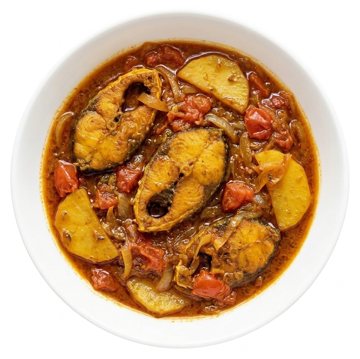
  • Different: Year Chapa deep-fries fish and potatoes, then simmers them in a tomato-onion gravy, while this dish marinates monkfish in mint, coriander, spinach, lime leaf, green chilli, chaat masala, gram flour, and lemon juice and chars it as skewers.
Machhali ka Salan
Curried Fish from Hyderabad
It tastes tangy from tamarind and creamy from coconut milk, not bright and herby with lime and charred smokiness like this dish.
  • Same: It shares fish, turmeric, ground coriander, ginger, garlic, vegetable oil and salt with this dish.
  • Different: It is a simmered curry with onion, tomato, coconut milk, tamarind and dried red chilli, and it lacks this dish’s mint, coriander leaf, spinach, lime leaf, gram flour and chaat masala.