Indian cooking
Indian cooking / Dishes / Masoor ki Dal
Masoor ki Dal (Red or Black Dal)

Masoor ki Dal

Red or Black Dal
Vegetarian●●●Origin Pan-IndianPrep 1 hour, plus soaking timeCook 30 minutes

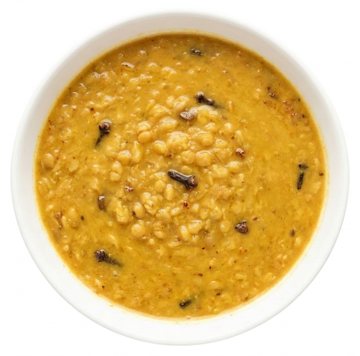
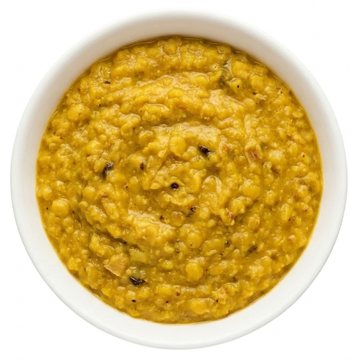
A comforting, velvety red or black lentil dal enriched with rice cooking water and finished with an aromatic spiced ghee tarka and dried mint.

Boiling spice

3 gAdded to the dal before bringing to the boil (step 2)
01
3 g1 teaspoon
spice
Add directly to the pot with the dal.

Ground spices for the dal

1.8 gStirred into the mashed dal with the liquids (step 4)
Stir together to combine.

Tempering spices

1.5 gFried in hot ghee to finish the dish (step 5)
01
~0.3 gpinch
spice
02
1.1 g½ teaspoon
spice
03
0.1 g2 cloves
spice
Keep whole to drop into the hot fat together.

Everything else

01
Red lentils · Masoor Dal(split red or whole black), rinsed and drained
250 g
legume
02
Ginger · Adrakpeeled and crushed
12 g1 piece
aromatic
04
47 g3½ tablespoons
oil/fat
05
to taste
salt

Method

  1. Place 250 g masoor dal in a bowl of fresh water and soak for 1 hour, then drain thoroughly.
  2. Transfer the drained dal to a heavy-based pan and pour in enough water to cover. Stir in the boiling spice and salt to taste. Cover, bring to a boil, and cook for roughly 10 minutes until most of the liquid has evaporated and the lentils start to soften.
  3. Pour in 125 ml water, cover with the lid, reduce the heat to low, and simmer for 10 to 15 minutes until the dal is soft. Uncover and allow any remaining water to cook off, then mash and beat the dal with a ladle in circular motions for about 5 minutes until nearly dry and smooth.
  4. Stir in the ground spices for the dal, 12 g ginger, 250 g rice cooking water, and 250 ml hot water (ensure the water is hot to prevent lumps from forming). Simmer gently while stirring continuously for about 5 minutes until the dal thickens.
  5. Warm 47.2 g ghee or vegetable oil in a small pan over medium heat. Tip in the tempering spices and fry for about 1 minute until fragrant and crackling. Pour the spiced oil immediately over the dal, garnish with 25 g dried mint, and serve.

Don't have something?

Masoor dal
  • Split mung beans

    Use equal weight; cooks down to a creamy, comforting purée in roughly the same 20-25 minutes, with a paler yellow colour.

  • Pigeon peas

    Use equal weight; needs 15 minutes longer cooking or pressure cooking, producing a slightly grainier, nuttier dal.

  • Chana dal

    Use equal weight; pre-soak for 1 hour and cook for 20 minutes longer; stays whole rather than breaking down into a silky soup.

Asafoetida
  • Garlic powder

    Use double the weight. Stir into hot oil just before adding wet ingredients; mimics the allium savoury background without the sulphurous edge.

  • Garlic paste

    Use 2 g for every 0.5 g of asafoetida. Sauté in oil until the raw smell clears; adds moisture and sweet allium depth.

Ground turmeric
  • Ground ginger

    Use 50% of the weight. Mimics turmeric's warm, earthy, rhizome background, but provides none of the golden-yellow colour.

  • Saffron

    Steep a tiny pinch (0.1 g per 2 g turmeric) in 2 tbsp warm water; use to match the rich golden hue. Contributes an aristocratic, honeyed floral flavour rather than earthy bitterness.

Chilli powder
  • Red chilli powder

    Use 100% of the weight. Provides direct, sharp heat and red colour in equal measure.

  • Kashmiri chilli powder

    Use 150% to 200% of the weight if matching colour, but add a pinch of black pepper or hot chilli if you need equivalent fiery heat.

  • Cayenne pepper

    Use 75% to 100% of the weight. Offers a sharp, clean heat with slightly less earthy depth and less crimson colour.

Ground coriander
  • Coriander seeds

    Dry-roast lightly in a pan and grind to a fine powder; use equal weight (1:1). Offers a noticeably fresher, brighter citrus note.

  • Ground cumin

    Use 50% to 75% of the weight. Lacks the floral, citrusy profile of coriander and turns the gravy heavier, earthier, and darker.

  • Garam masala

    Use 50% of the weight and stir in near the end of cooking. Adds warmth and depth since it contains ground coriander, but introduces stronger spices like clove and cinnamon.

Ginger
  • Fresh ginger

    Use equal weight; scrape off the skin and grate or finely julienne according to the recipe.

  • Ginger paste

    Use equal weight; stir straight into the sizzling aromatics, taking care as the extra moisture may spit.

  • Ground ginger

    Use 15 to 20% of the weight; add alongside ground spices, noting it imparts warm, dry heat rather than zesty freshness.

Rice cooking water
  • Water

    Use the same weight; it lacks starch, so the dish will be slightly thinner.

  • Vegetable stock

    Use the same weight for savoury dishes; adds more flavour and salt, so taste before seasoning.

  • Rice flour

    Whisk about 1 g rice flour into 100 ml water to mimic the starch; use in place of the cooking water.

Ghee or vegetable oil
  • Peanut oil

    Use equal weight; handles high tempering heat well and keeps flavours neutral.

  • Butter

    Use equal weight; cook over gentle heat to prevent browning the milk solids too quickly.

Cumin seed
  • Ground cumin

    Use 70% of the weight; add with ground spices or sauce bases rather than hot oil tempering, where it scorches quickly and turns bitter.

  • Black cumin seeds

    Use equal weight for oil tempering. Delivers an earthy profile with an additional musky, smoky, and slightly bitter edge.

  • Fennel seed

    Use 60% of the weight for tempering; offers comparable warm aroma, but leans sweet and liquorice-like rather than savoury and earthy.

Clove
  • Ground cloves

    Use 1 g ground for 4 g whole (or 1 small pinch per 2 to 3 whole cloves). Add with spice powders; disperses intense warmth quickly, so use with restraint.

  • Allspice berries

    Use 100% of the weight whole in tempering. Imparts a warm, clove-like aromatic profile combined with hints of nutmeg and cinnamon.

  • Black cardamom pod

    Use 1 pod for 3 to 4 cloves in whole tempering. Shares a camphor-like warmth and medicinal depth, though it introduces a distinct smoky undertone.

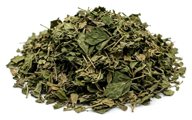
Dried mint
  • Mint

    Use 3 to 4 times the weight, finely chopped. Stir in towards the very end of cooking; provides a fresher, brighter herbal lift rather than deep, concentrated menthol.

  • Dried fenugreek leaves

    Use equal weight, crushed between your palms. Offers savoury, earthy bitterness rather than cooling mint, but works nicely in marinades and rich gravies.


Similar dishes

Sookhi Mangori
Dried Moong Dal Dumplings
Sookhi Mangori tastes tangy and savoury from its onion-tomato gravy, with soft dumplings soaking up the sauce, whereas this dish is a velvety lentil dal with a minty, cumin-and-clove ghee aroma.
  • Same: Sookhi Mangori shares asafoetida, ginger, turmeric, chilli powder, ground coriander, ghee and salt with this dish, and both are dal-based spiced dishes finished with ghee.
  • Different: Sookhi Mangori uses sun-dried moong dal dumplings simmered in an onion-tomato gravy with garlic and garam masala, while this dish is a masoor dal cooked with rice cooking water and finished with a cumin, clove and dried mint ghee tarka; it has no onion, tomato, garlic or rice water.
Arhar ki Dal
Pigeon Pea Dal
It has a simpler, milder, and naturally sweeter profile without the peppery heat and warm ginger-cumin aromatics of this dish.
  • Same: Arhar ki Dal shares the same base seasoning of turmeric, asafoetida, cloves, salt, and ghee or vegetable oil.
  • Different: It uses toor dal instead of masoor dal and omits the ginger, cumin seeds, ground coriander, chilli powder, and rice cooking water used in this dish.
Hari Matar ke Kofte
Green Gram Balls in Yoghurt Sauce
Hari Matar ke Kofte tastes much tangier and sharper from the yogurt and garlic, unlike the earthy, mellow profile of this dish.
  • Same: Hari Matar ke Kofte shares cumin seeds, turmeric, chilli powder, asafoetida, and a sizzling spiced oil tempering with this dish.
  • Different: Hari Matar ke Kofte features fried green gram dumplings in a yogurt sauce with garlic and green chillies, whereas this dish is a boiled lentil puree cooked with rice water, ginger, and cloves.
Lachko Dal
Thick Yellow Toor (Toover) Dal
Lachko Dal tastes simpler and more pungent from the concentrated asafoetida, lacking the warm spices, heat, and minty finish of this dish.
  • Same: Both recipes cook lentils flavored with ginger, turmeric, salt, and a tempering of asafoetida in ghee.
  • Different: Lachko Dal uses yellow toor dal cooked to a dense, thick consistency and omits the cumin, cloves, coriander, chilli, and rice cooking water used in this dish.