Indian cooking
Indian cooking / Dishes / Matterwali Tikki
Matterwali Tikki (Pan-grilled Pea Patties)

Matterwali Tikki

Pan-grilled Pea Patties
VegetarianPrep 1½ hoursCook 8-10 minutes

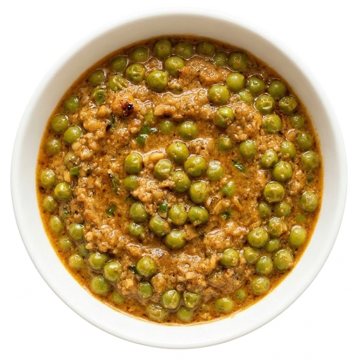
Pan-seared spiced green pea cakes featuring a savoury, golden crust and a sweet-and-spicy stuffed centre of paneer, khoya, and dried fruit.

Tempering seeds

8 gSautéed in hot ghee (step 3)
01
8 g4 teaspoons
spice
Keep whole: they go into the hot ghee first.

Ground spices for the peas

2.9 gStirred into the sputtering cumin (step 3)
01
1.5 g½ teaspoon
spice
02
1.4 g½ teaspoon
spice
Stir together.

Patty spices

5 gKneaded into the cooled pea mash (step 4)
02
2.6 g1 teaspoon
spice
03
1.3 g½ teaspoon
spice blend
Stir together.

Filling spice

0.7 gMixed into the stuffing bowl (step 5)
Keep ready to blend into the filling.

Everything else

01
1000 g
legume
02
300 g1 potato
vegetable
03
100 g
oil/fat
04
Ginger · Adrakpeeled and finely chopped
12 g1 piece
aromatic
05
Green chilli · Hari Mirchde-seeded and finely chopped
18 g3 chillies
vegetable
06
20 g
flour
07
30 g
other
08
to taste
salt
09
25 g
dairy
10
0.5 g1 teaspoon
herb
11
Paneergrated
25 g
dairy
12
1 g½ teaspoon
aromatic
13
1.6 g½ teaspoon
vegetable
14
Raisin · Kishmishroughly chopped
3 g1 teaspoon
fruit

Method

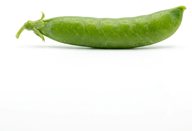
  1. Drop 1000 g peas into boiling water and cook until tender, roughly 5 minutes. Drain thoroughly, let cool, and chop coarsely.
  2. Boil 1 potato until completely tender through the centre, about 10 minutes. Drain, cool, peel off the skin, and grate.
  3. Warm 100 g ghee in a wok over medium heat. Tip in the tempering seeds and let them sizzle for 1 to 2 minutes until crackling. Stir in the ground spices for the peas with a pinch of salt, then add the chopped peas. Cook until all pan moisture dries up, mix in the grated potato, and stir-fry for 3 minutes before taking off the heat to cool.
  4. To the cooled vegetable base, add 12 g ginger, 18 g green chilli, the patty spices, 20 g cornflour, and 30 g breadcrumbs. Season with salt, blend thoroughly into a uniform mixture, and shape into 16 equal portions.
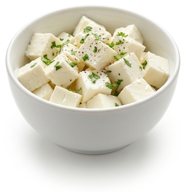
  5. In a small bowl, combine 25 g grated paneer, 25 g grated khoya, 1 teaspoon chopped coriander, 1 g fresh ginger, 1.6 g green chilli, 1 teaspoon raisin, the filling spice, and salt to taste.
  6. Flatten a portion of the pea mixture in your palm, place a spoonful of filling in the middle, and wrap the edges over to seal completely. Gently press flat into a smooth disc, repeating with the remaining portions.
  7. Heat a shallow layer of ghee in a non-stick frying pan over low heat. Fry the patties in batches for 8 to 10 minutes, flipping occasionally until both sides form a rich, crisp golden crust. Remove from the pan, dust with chaat masala to taste, and serve immediately.

Don't have something?

Green pea
  • Pea

    Use 1:1 by weight; cook straight from fresh or frozen with identical timing and sweetness.

  • Chana dal

    Use 60% of the weight in dry dal; boil until tender yet firm before stirring in, lending a nuttier texture rather than sweet pop.

Potato
  • Eggplant

    Use equal weight. Cut into large chunks; cooks down much faster (10-12 minutes) and softens into the sauce rather than staying starchy and firm.

  • Paneer

    Use 80% of the weight. Cube and add in the last 5-10 minutes of cooking; adds rich dairy protein instead of starchy bulk.

  • Dried chickpea

    Use 45% dry weight. Soak overnight and boil until fully soft before stirring into the sauce to simmer for 10 minutes.

Ghee
  • Unsalted butter

    Use 120% of the weight; melt gently over low heat to avoid burning the milk solids, which will yield a softer, creamier richness rather than a nutty aroma.

  • Vegetable oil

    Use 85% of the weight; holds high cooking temperatures without smoking, but the final dish will lack traditional dairy depth.

  • Mustard oil

    Use equal weight; heat to smoking point and cool slightly before cooking, bearing in mind it introduces an assertive, pungent edge.

Cumin seed
  • Ground cumin

    Use 70% of the weight; add with ground spices or sauce bases rather than hot oil tempering, where it scorches quickly and turns bitter.

  • Black cumin seeds

    Use equal weight for oil tempering. Delivers an earthy profile with an additional musky, smoky, and slightly bitter edge.

  • Fennel seed

    Use 60% of the weight for tempering; offers comparable warm aroma, but leans sweet and liquorice-like rather than savoury and earthy.

Ground turmeric
  • Ground ginger

    Use 50% of the weight. Mimics turmeric's warm, earthy, rhizome background, but provides none of the golden-yellow colour.

  • Saffron

    Steep a tiny pinch (0.1 g per 2 g turmeric) in 2 tbsp warm water; use to match the rich golden hue. Contributes an aristocratic, honeyed floral flavour rather than earthy bitterness.

Asafoetida
  • Garlic powder

    Use double the weight. Stir into hot oil just before adding wet ingredients; mimics the allium savoury background without the sulphurous edge.

  • Garlic paste

    Use 2 g for every 0.5 g of asafoetida. Sauté in oil until the raw smell clears; adds moisture and sweet allium depth.

Ginger
  • Fresh ginger

    Use equal weight; scrape off the skin and grate or finely julienne according to the recipe.

  • Ginger paste

    Use equal weight; stir straight into the sizzling aromatics, taking care as the extra moisture may spit.

  • Ground ginger

    Use 15 to 20% of the weight; add alongside ground spices, noting it imparts warm, dry heat rather than zesty freshness.

Green chilli
  • Chilli powder

    Use 10 to 15% of the weight (about 1/4 teaspoon per chilli); imparts dry pungent heat and reddens the dish without the grassy crunch.

  • Dried red chilli

    Use 1 dried pod per fresh green chilli; snap in half and temper in hot oil for a deeper, toastier heat.

Yellow chilli powder
  • Green chilli

    Use 100% of the weight, finely minced or ground into a smooth paste. Provides sharp heat while preserving the light colour of delicate kormas.

  • Kashmiri chilli powder

    Use 50% to 75% of the weight. It brings mild heat but will turn pale or white sauces noticeably orange-red.

  • Red chilli powder

    Use 50% of the weight. Gives strong, sharp heat, but will stain cream-based or yellow Mughlai gravies red.

Ground cumin
  • Cumin seed

    Dry-roast briefly and grind finely; use equal weight (1:1). Imparts an even punchier, nuttier, toasty aroma than pre-ground cumin.

  • Ground coriander

    Use equal weight (1:1). Adds mild, lemony sweetness rather than cumin's smoky, earthy bite; curries will taste lighter and less savoury.

  • Black cumin seeds

    Grind finely; use 60% to 75% of the weight. Produces a darker, more complex, smoky-herbal flavour suited to rich gravies.

Garam masala
  • Ground cumin

    Use 50% of the weight mixed with equal parts ground coriander and a pinch of ground cinnamon, ground cloves, and ground green cardamom. Sprinkle near the end for a warming finish.

  • Lentil stew spice mix

    Use 75% of the weight. Simmer briefly in the gravy; imparts roasted warmth and complexity, though it adds a slight tang and earthy lentil undertone.

Cornflour
  • Cornstarch

    Use the same weight. It is the same ingredient under another name and thickens or crisps in the same way.

  • Rice flour

    For coating and frying, use the same weight; it gives a crisper, slightly gritty crust. For thickening, use 1.5 times the weight and simmer a little longer.

  • Plain flour

    For coating, use the same weight. For thickening, use twice the weight and cook out for 2–3 minutes; it gives a softer, less glossy sauce.

Breadcrumb
  • White breadcrumb

    Use the same weight; fresh white crumbs are softer and bind more gently.

  • Dried breadcrumb

    Use about 70% of the weight and moisten slightly, as dried crumbs absorb more liquid.

  • Panko breadcrumbs

    Use the same weight; they are lighter and crisper, giving a coarser coating.

Chaat masala
  • Tandoori snack spice mix

    Use the same weight; taste first as it can be smokier and saltier. Add lime or amchoor if the dish needs more tang.

  • Dried mango powder

    Use about half the weight, mixed with black salt and a pinch of ground cumin. It gives tang and saltiness but lacks the minty, asafoetida notes.

  • Black salt

    Use about half the weight and add lime juice to taste. It gives the salty, sulphurous edge but not the full tangy blend.

Processed cheese
  • Cheddar cheese

    Use the same weight, grated; melt over low heat with 1–2 tbsp milk. It can turn stringy or split, so do not boil.

  • Cream cheese or cheddar cheese

    Use the same weight; soften and stir in off the heat. Softer, tangier and less salty.

  • Paneer

    Use the same weight, grated; it will not melt smoothly but gives a mild milky taste. Add with a little cream.

Mint
  • Dried mint

    Use about 30% of the weight of fresh mint. Rub between your palms to crush before stirring in; the flavour will be more intensely herbal and less bright.

  • Coriander leaf

    Use equal weight, finely chopped. Adds fresh citrusy green notes, but lacks the cooling menthol lift.

Paneer
  • Extra-firm tofu

    Use equal weight, pressed well to remove excess moisture and cut into cubes. Pan-fry lightly before adding; absorbs sauces similarly, though it lacks dairy sweetness.

  • Halloumi

    Use equal weight, soaked in warm water for 20 minutes to leach out excess salt. Holds shape during frying, but has a denser, saltier chew.

Fresh ginger
  • Ginger paste

    Use equal weight. Sauté in hot fat until the raw allium smell disappears; slightly wetter, but provides identical warmth and pungency.

  • Ground ginger

    Use 20% to 25% of the weight (1 g for every 4 to 5 g fresh). Stir into the gravy; adds peppery heat and warmth, though it misses the crisp, zesty kick of raw root.


Raisin
  • Dried plum

    Use equal weight, pitted and finely chopped. Lends a deeper, slightly more tart sweetness to curries and rice dishes.

  • Cashew nut

    Use equal weight. Fry lightly in ghee until golden; substitutes the burst of sweetness with a rich, buttery crunch.

  • Jaggery

    Use 30% of the weight, finely grated. Dissolve straight into the sauce to match the intended sweetness, though without the fruity chew.

Similar dishes

Khoya Matar
Peas with Thickened Milk
Khoya Matar is much richer and creamier from the heavy base of simmered khoya, lacking the tangy chaat masala and sweet dried fruit found in this dish.
  • Same: Khoya Matar also pairs green peas with khoya, seasoned with cumin, ginger, green chillies, asafoetida, and garam masala.
  • Different: Instead of shaping peas into pan-seared patties stuffed with paneer and raisins, Khoya Matar cooks the peas and dairy solids into a gravy using ghee, cloves, and ground coriander.
Keema Matar
Minced (Ground) Lamb with Peas
Keema Matar tastes rich, warming and tangy from yogurt and lime, whereas this dish tastes sweet-and-spicy with a crisp pea crust and a stuffed paneer-and-dried-fruit centre.
  • Same: Keema Matar shares green peas, ghee, cumin seed, turmeric, ginger, green chilli and garam masala with this dish.
  • Different: Keema Matar adds ground lamb, yogurt, onion, coriander seeds and lime juice and is simmered as a gravy, while this dish uses potato, paneer, khoya, cheese, raisins, cornflour and breadcrumbs and is pan-grilled as patties with chaat masala.
Matar ki Phali
Peas in the Pod
Matar ki Phali tastes distinctly tart from amchoor, without the rich creaminess, sweet fruit, and sharp heat found in this dish.
  • Same: Both dishes feature peas seasoned with cumin seeds, asafoetida, and garam masala.
  • Different: Matar ki Phali braises whole pea pods in vegetable oil with amchoor, whereas this dish forms green peas into pan-grilled patties stuffed with paneer, khoya, raisins, fresh ginger, and chillies.
Maharashtrian Kobichi Bhaji
Spiced Cabbage with Turmeric & Green Peas
Maharashtrian Kobichi Bhaji tastes mild and warm with tender cabbage crunch, while this dish has a savoury golden crust and a sweet-and-spicy stuffed centre.
  • Same: Maharashtrian Kobichi Bhaji shares green peas, cumin seed, asafoetida, and turmeric with this dish.
  • Different: Maharashtrian Kobichi Bhaji is a dry cabbage stir-fry in vegetable oil with dried red chilli, curry leaf, and coriander, while this dish is pan-grilled pea patties with potato, ghee, paneer, khoya, dried fruit, cornflour, and breadcrumb.