
Khoya Matar
A rich North Indian curry combining sweet green peas with browned evaporated milk solids in a spiced, comforting sauce.
Whole tempering spices
2.7 gAdded to the hot fat at the start (step 1)Ground spice blend
10 gStirred in with the peas and water (step 3)Everything else

Method
- Warm 125 g ghee or vegetable oil in a heavy pan set over medium heat. Tip in the whole tempering spices and sizzle them for about 1 minute until the cumin seeds crackle.
- Introduce 500 g khoya and fry steadily, stirring frequently, for 2 to 3 minutes until it takes on a rich reddish-brown shade.
- Tip in 250 g pea, 12 g green chilli, 12 g ginger, the ground spice blend, 500 ml water, and salt to taste. Bring the sauce up to a boil, then dial the heat down to low and cook gently for 5 to 7 minutes until the peas are thoroughly tender.
Don't have something?


 Peanut oil
Use equal weight; handles high tempering heat well and keeps flavours neutral.
 Butter
Use equal weight; cook over gentle heat to prevent browning the milk solids too quickly.


 Garlic powder
Use double the weight. Stir into hot oil just before adding wet ingredients; mimics the allium savoury background without the sulphurous edge.
 Garlic paste
Use 2 g for every 0.5 g of asafoetida. Sauté in oil until the raw smell clears; adds moisture and sweet allium depth.


 Ground cloves
Use 1 g ground for 4 g whole (or 1 small pinch per 2 to 3 whole cloves). Add with spice powders; disperses intense warmth quickly, so use with restraint.
 Allspice berries
Use 100% of the weight whole in tempering. Imparts a warm, clove-like aromatic profile combined with hints of nutmeg and cinnamon.
 Black cardamom pod
Use 1 pod for 3 to 4 cloves in whole tempering. Shares a camphor-like warmth and medicinal depth, though it introduces a distinct smoky undertone.


 Ground cumin
Use 70% of the weight; add with ground spices or sauce bases rather than hot oil tempering, where it scorches quickly and turns bitter.
 Black cumin seeds
Use equal weight for oil tempering. Delivers an earthy profile with an additional musky, smoky, and slightly bitter edge.
 Fennel seed
Use 60% of the weight for tempering; offers comparable warm aroma, but leans sweet and liquorice-like rather than savoury and earthy.


 Whole milk
Use 4 times the weight of milk; simmer and stir continuously in a wide heavy pan until reduced to a dense, fudgy paste.
 Paneer
Use equal weight of finely crumbled or grated paneer mixed with 15% single cream; gives similar body but a less caramelised, milk-solid flavour.
 Single cream
Simmer gently until heavily reduced, or stir in directly at 70% weight; produces rich gravies without the granular bite of khoya.
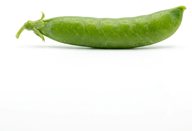


 Red chilli powder
Use 100% of the weight. Provides direct, sharp heat and red colour in equal measure.
 Kashmiri chilli powder
Use 150% to 200% of the weight if matching colour, but add a pinch of black pepper or hot chilli if you need equivalent fiery heat.
 Cayenne pepper
Use 75% to 100% of the weight. Offers a sharp, clean heat with slightly less earthy depth and less crimson colour.


- Chilli powder
Use 10 to 15% of the weight (about 1/4 teaspoon per chilli); imparts dry pungent heat and reddens the dish without the grassy crunch.
 Dried red chilli
Use 1 dried pod per fresh green chilli; snap in half and temper in hot oil for a deeper, toastier heat.


 Ginger paste
Use 300% to 400% of the weight (e.g. 3–4 g paste for 1 g ground). Fry in oil alongside onions; provides a juicy, pungent kick rather than a dry, baking-spice heat.
 Fresh ginger
Peel and grate finely; use 300% to 400% of the weight. Add to the hot oil early; delivers bright, peppery warmth rather than the mellow, woody heat of dry ginger.
 Ground mace
Use 50% of the weight. Imparts a warm, spicy undertone in rich gravies, but lacks ginger's fiery, sharp zest.


- Cumin seed
Dry-roast briefly and grind finely; use equal weight (1:1). Imparts an even punchier, nuttier, toasty aroma than pre-ground cumin.
 Ground coriander
Use equal weight (1:1). Adds mild, lemony sweetness rather than cumin's smoky, earthy bite; curries will taste lighter and less savoury.
- Black cumin seeds
Grind finely; use 60% to 75% of the weight. Produces a darker, more complex, smoky-herbal flavour suited to rich gravies.
 Coriander seeds
Dry-roast lightly in a pan and grind to a fine powder; use equal weight (1:1). Offers a noticeably fresher, brighter citrus note.
- Ground cumin
Use 50% to 75% of the weight. Lacks the floral, citrusy profile of coriander and turns the gravy heavier, earthier, and darker.
 Garam masala
Use 50% of the weight and stir in near the end of cooking. Adds warmth and depth since it contains ground coriander, but introduces stronger spices like clove and cinnamon.


- Ground cumin
Use 50% of the weight mixed with equal parts ground coriander and a pinch of ground cinnamon, ground cloves, and ground green cardamom. Sprinkle near the end for a warming finish.
 Lentil stew spice mix
Use 75% of the weight. Simmer briefly in the gravy; imparts roasted warmth and complexity, though it adds a slight tang and earthy lentil undertone.


- Fresh ginger
Use equal weight; scrape off the skin and grate or finely julienne according to the recipe.
- Ginger paste
Use equal weight; stir straight into the sizzling aromatics, taking care as the extra moisture may spit.
- Ground ginger
Use 15 to 20% of the weight; add alongside ground spices, noting it imparts warm, dry heat rather than zesty freshness.
Similar dishes
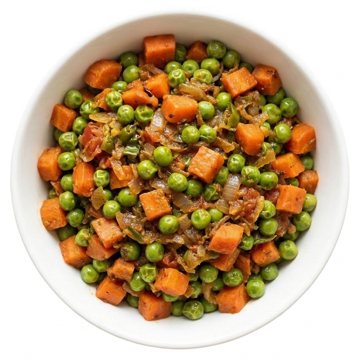
- Same: Gajar Matar also features green peas cooked with green chillies, ginger, cumin seeds, ground coriander, ground cumin, and chilli powder.
- Different: Gajar Matar is a dry sabzi cooked with onions, tomatoes, and garlic, omitting the khoya, clove, asafoetida, and garam masala used in this dish.

- Same: Both curries feature green peas cooked in ghee or vegetable oil and share a spice base of cumin seeds, cloves, asafoetida, chilli powder, ground coriander, and garam masala.
- Different: Aloo Matar Rasedar replaces the rich khoya with fried potatoes simmered in a tomato broth, while omitting the fresh ginger, ground ginger, ground cumin, and green chillies found in this dish.

- Same: Aloo Tikki Awadhi shares green peas, cumin seeds, fresh ginger, green chillies, chilli powder, ground coriander, and garam masala with this dish.
- Different: Instead of simmering peas in a rich khoya curry with ample ghee, it mixes them with boiled potatoes and griddles them into patties using minimal fat, chaat masala, and chutney.

- Same: Shufta shares with this dish ghee, asafoetida, clove, peas, khoya, chilli powder, ginger, ground coriander, garam masala, and salt, and both are rich North Indian curries finished with khoya.
- Different: Shufta adds coarsely ground lamb, yogurt, ground fennel, sugar, coriander leaf, saffron, and kewra or rosewater, uses 300 g ghee and only 100 g khoya, and lacks this dish's cumin seed, ground cumin, green chilli, and 500 g khoya.