
Gujarati Sambharo
A warm Gujarati cabbage salad with crunchy carrot and red pepper, a mustard-and-curry-leaf tempering, and a fresh lime finish. It tastes savoury, lightly sweet and tangy, with a soft cabbage texture and a little chilli heat.
Whole spices for the tempering
7 gAdded to the hot ghee (step 4)Ground spices for the tempering
3.3 gStirred in after the chillies and curry leaves (step 6)Everything else


Method
- Toss 500 g white cabbage with salt to taste in a large bowl, cover and leave for 30 minutes.
- Pat the cabbage dry and pour off any liquid, then add 110 g carrot and 120 g red bell pepper and mix.
- Heat 26.4 g ghee in a heavy wok or kadhai over medium heat.
- Add the whole spices for the tempering: 7 g black mustard seed, and when it splutters, 0.3 g asafoetida.
- Add 4 g green bird's-eye chilli and 2.5 g curry leaf and stir for a few seconds.
- Stir in the ground spices for the tempering: 1.8 g ground coriander and 1.5 g ground turmeric.
- Add the vegetables in handfuls, stirring so they are coated in the spiced ghee, and cook for 2 minutes, stirring all the time.
- Lower the heat, taste and add salt only if needed, then stir in 4.2 g caster sugar.
- Cover and cook over low heat for 4 minutes.
- Turn off the heat, add 25 g lime juice and coriander leaf to taste, and mix well.
Don't have something?


 Sweetheart cabbage
Use 100% of the weight. Finely shred; cooks slightly faster than firm white cabbage and gives a sweeter, tender crunch in thorans and sabzis.
- Savoy cabbage
Use 100% of the weight. Shred finely; holds its shape well when stir-fried and carries spiced oil effectively.
 Brussels sprouts
Use 90% of the weight. Finely shred or halve; offers an identical brassica crunch and slight peppery bite.


 Turnip
Use the same weight; peel and cut as for carrot. It is less sweet and slightly peppery, so add a pinch of sugar and expect a softer, more earthy result.
 Potato
Use the same weight; cut into similar pieces and add 5–10 minutes' extra cooking. It gives bulk but no carrot sweetness or colour.
 Courgette
Use the same weight; cut a little larger and add near the end. It releases water, so reduce other liquid slightly and expect a softer texture.


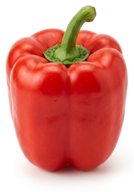
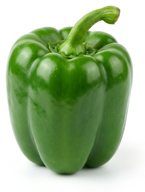 Bell pepper
Use the same weight; any colour works. Slightly less sweet if green.
 Yellow bell pepper
Use the same weight; similar sweetness and texture, only colour changes.
 Tomato
Use the same weight; it is softer and more acidic, so reduce other souring agents. Good for body, not crunch.


 Unsalted butter
Use 120% of the weight; melt gently over low heat to avoid burning the milk solids, which will yield a softer, creamier richness rather than a nutty aroma.
 Vegetable oil
Use 85% of the weight; holds high cooking temperatures without smoking, but the final dish will lack traditional dairy depth.
 Mustard oil
Use equal weight; heat to smoking point and cool slightly before cooking, bearing in mind it introduces an assertive, pungent edge.


 Mustard seeds
Use equal weight. Pop in hot fat until they crackle and turn greyish; yields an almost identical nutty, pungent finish.
 Yellow mustard seeds
Use equal weight. Fry over medium heat; delivers a milder, sweeter pop and turns bitter quickly if the oil is excessively hot.


 Garlic powder
Use double the weight. Stir into hot oil just before adding wet ingredients; mimics the allium savoury background without the sulphurous edge.
 Garlic paste
Use 2 g for every 0.5 g of asafoetida. Sauté in oil until the raw smell clears; adds moisture and sweet allium depth.


- Bird's eye green chilli
Use the same weight; heat and flavour are very close.
 Green chilli
Use 1.5 to 2 times the weight; deseed for less heat. Larger chillies are more watery.
 Fresh green chilli
Use 1.5 to 2 times the weight; chop finely and adjust heat by tasting.


 Bay leaf
Fry 1 bay leaf for every 5 curry leaves in hot oil; imparts a warm, woodsy background note, but misses the citrus-sulphury punch entirely.
 Lime juice
Add a small squeeze (about 5 ml per sprig of curry leaves) right before serving; provides sharp citrus top notes without the toasty, herbal aroma.


 Coriander seeds
Dry-roast lightly in a pan and grind to a fine powder; use equal weight (1:1). Offers a noticeably fresher, brighter citrus note.
 Ground cumin
Use 50% to 75% of the weight. Lacks the floral, citrusy profile of coriander and turns the gravy heavier, earthier, and darker.
 Garam masala
Use 50% of the weight and stir in near the end of cooking. Adds warmth and depth since it contains ground coriander, but introduces stronger spices like clove and cinnamon.


 Ground ginger
Use 50% of the weight. Mimics turmeric's warm, earthy, rhizome background, but provides none of the golden-yellow colour.
 Saffron
Steep a tiny pinch (0.1 g per 2 g turmeric) in 2 tbsp warm water; use to match the rich golden hue. Contributes an aristocratic, honeyed floral flavour rather than earthy bitterness.


 Granulated sugar
Use the same weight. It is slightly coarser, so stir a little longer to dissolve; in baking, grind briefly if a fine texture matters.
 Demerara sugar
Use the same weight, but dissolve it earlier as it is coarser. It adds a light caramel note and a little colour.
 Ground jaggery or soft brown sugar
Use the same weight; crush or grate jaggery first. It darkens the dish and adds molasses flavour, so reduce other liquid slightly.


 Lemon
Use the same weight; sharper and less floral, so reduce any extra souring slightly.
 Lemon juice
Use about 30 g juice per lime (2 tbsp), strain pips; add at the end for fresh sourness.
 Dried mango powder
Use 1 g amchoor for about 15 g lime juice; add early with spices; gives dry mango sourness, not citrus aroma.


Similar dishes
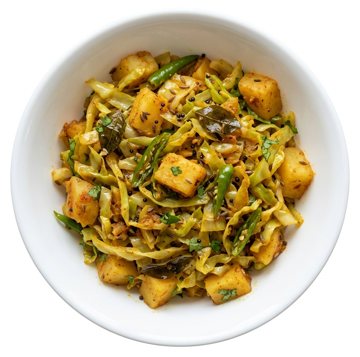
- Same: Gujarati Batata Cabbage Nu Shaak shares with this dish a Gujarati cabbage base, a mustard-seed and curry-leaf tempering, asafoetida, green chilli, turmeric, ground coriander, sugar, salt and coriander leaf.
- Different: Gujarati Batata Cabbage Nu Shaak uses vegetable oil instead of ghee, adds cumin seed and Kashmiri chilli powder, includes 600 g potato and 900 g cabbage, and lacks this dish's carrot, red bell pepper and lime juice.

- Same: Maharashtrian Kobichi Bhaji shares white cabbage, curry leaf, asafoetida, ground turmeric, salt and a coriander garnish with this dish, and both use a spiced tempering.
- Different: Maharashtrian Kobichi Bhaji uses vegetable oil instead of ghee, cumin seed and dried mild red chilli instead of black mustard seed and green bird's-eye chilli, and adds green peas but lacks this dish's carrot, red bell pepper, caster sugar and lime.
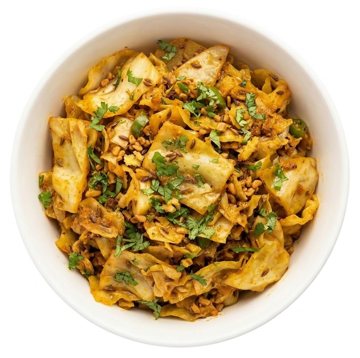
- Same: It shares cabbage, asafoetida, turmeric, ground coriander, green chilli, sugar and salt with this dish.
- Different: It uses vegetable oil instead of ghee, adds cumin, fenugreek, ginger and chilli powder, and lacks this dish's mustard seed, curry leaves, lime, carrot and red pepper; it is a dry stir-fry rather than a warm salad with a tempering and lime finish.

- Same: Bandhkopir Torkari shares cabbage as the main ingredient, a dry tempered cooking style, and a fresh lemon-or-coriander finish with this dish.
- Different: Bandhkopir Torkari uses vegetable oil instead of ghee, panch phoron instead of black mustard seed, asafoetida and curry leaves, and adds onion, ginger and kashmiri chilli powder, while it lacks this dish's carrot, red bell pepper, green bird's-eye chilli, ground turmeric, caster sugar and lime.