
Gujarati Batata Cabbage Nu Shaak
A dry Gujarati-style shaak of soft cabbage and potato, flavoured with a crackling mustard-cumin tempering and a gentle ground-spice base. It tastes savoury, lightly sweet and warmly spiced.
Tempering spices
6 gAdded to the hot oil at the start of step 1Ground spices for the vegetables
4.6 gStirred in after the tempering (step 4)Everything else

Method
- Heat 27 g vegetable oil in a heavy saucepan over medium heat. Add the tempering spices in this order: 0.3 g asafoetida; after a few seconds, 2.1 g cumin seed and 3.2 g black/brown mustard seed. Fry for 1 minute, until the seeds crackle and flavour the oil.
- Stir in half of the 2.5–3 g curry leaves and 4 g green bird’s eye chillies, slit lengthways, for 2–3 seconds.
- Lower the heat. Add the ground spices for the vegetables: 2.5 g kashmiri chilli powder or mild paprika, 0.3 g ground turmeric and 1.8 g ground coriander. Cook for 20 seconds, stirring so the spices do not catch.
- Add 600 g peeled and cubed potato and 20 ml water. Mix well, cover and cook for 4 minutes, stirring halfway. If the potato sticks, add a splash more water, cover and cook for another 3 minutes.
- Add 900 g thinly sliced white cabbage in handfuls, stirring to coat it with the spices. Cover and steam for 7 minutes, stirring halfway through.
- Stir in 0.3 g granulated sugar, salt to taste and the remaining curry leaves. Mix well.
- Scatter over chopped coriander leaves to taste before serving.
Don't have something?


 Peanut oil
Use 1:1 by weight. Handles high-heat frying identically and introduces a very subtle, pleasant nuttiness.
 Ghee
Use 1:1 by weight. Yields a much richer, authentic aroma and a glossy, heavier mouthfeel.
 Mustard oil
Use 1:1 by weight. Heat until smoking, then cool slightly before cooking to temper its intensely pungent, sharp mustard kick.


 Garlic powder
Use double the weight. Stir into hot oil just before adding wet ingredients; mimics the allium savoury background without the sulphurous edge.
 Garlic paste
Use 2 g for every 0.5 g of asafoetida. Sauté in oil until the raw smell clears; adds moisture and sweet allium depth.


 Ground cumin
Use 70% of the weight; add with ground spices or sauce bases rather than hot oil tempering, where it scorches quickly and turns bitter.
 Black cumin seeds
Use equal weight for oil tempering. Delivers an earthy profile with an additional musky, smoky, and slightly bitter edge.
 Fennel seed
Use 60% of the weight for tempering; offers comparable warm aroma, but leans sweet and liquorice-like rather than savoury and earthy.


 Mustard seeds
Use equal weight. Pop in hot fat until they crackle and turn greyish; yields an almost identical nutty, pungent finish.
 Yellow mustard seeds
Use equal weight. Fry over medium heat; delivers a milder, sweeter pop and turns bitter quickly if the oil is excessively hot.


 Bay leaf
Fry 1 bay leaf for every 5 curry leaves in hot oil; imparts a warm, woodsy background note, but misses the citrus-sulphury punch entirely.
 Lime juice
Add a small squeeze (about 5 ml per sprig of curry leaves) right before serving; provides sharp citrus top notes without the toasty, herbal aroma.


- Bird's eye green chilli
Use the same weight; heat and flavour are very close.
 Green chilli
Use 1.5 to 2 times the weight; deseed for less heat. Larger chillies are more watery.
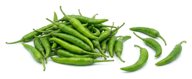 Fresh green chilli
Use 1.5 to 2 times the weight; chop finely and adjust heat by tasting.


 Kashmiri chilli powder
Use the same weight; this is the first half of the book's option and gives the best red colour with mild heat.
 Mild paprika
Use the same weight; add a pinch of cayenne pepper for warmth. Slightly less colour.
- Paprika
Use the same weight and add cayenne pepper to taste; works but is less aromatic.


 Ground ginger
Use 50% of the weight. Mimics turmeric's warm, earthy, rhizome background, but provides none of the golden-yellow colour.
 Saffron
Steep a tiny pinch (0.1 g per 2 g turmeric) in 2 tbsp warm water; use to match the rich golden hue. Contributes an aristocratic, honeyed floral flavour rather than earthy bitterness.



 Coriander seeds
Dry-roast lightly in a pan and grind to a fine powder; use equal weight (1:1). Offers a noticeably fresher, brighter citrus note.
- Ground cumin
Use 50% to 75% of the weight. Lacks the floral, citrusy profile of coriander and turns the gravy heavier, earthier, and darker.
 Garam masala
Use 50% of the weight and stir in near the end of cooking. Adds warmth and depth since it contains ground coriander, but introduces stronger spices like clove and cinnamon.



 Eggplant
Use equal weight. Cut into large chunks; cooks down much faster (10-12 minutes) and softens into the sauce rather than staying starchy and firm.
 Paneer
Use 80% of the weight. Cube and add in the last 5-10 minutes of cooking; adds rich dairy protein instead of starchy bulk.
 Dried chickpea
Use 45% dry weight. Soak overnight and boil until fully soft before stirring into the sauce to simmer for 10 minutes.


 Sweetheart cabbage
Use 100% of the weight. Finely shred; cooks slightly faster than firm white cabbage and gives a sweeter, tender crunch in thorans and sabzis.
- Savoy cabbage
Use 100% of the weight. Shred finely; holds its shape well when stir-fried and carries spiced oil effectively.
 Brussels sprouts
Use 90% of the weight. Finely shred or halve; offers an identical brassica crunch and slight peppery bite.


 Jaggery
Use equal weight; grate or shave finely so it dissolves rapidly, giving a warm, caramel-like sweetness and slightly darker sauce.


 Coriander (cilantro) or basil
Use the same weight, choosing the coriander element if available. If only basil is available, expect a sweeter, more aniseed flavour.
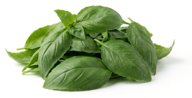 Basil leaves
Use the same weight. Basil is sweeter and more aromatic in a different way; add near the end so it keeps its perfume.
 Coriander paste
Use 1.5 times the weight and reduce other liquid slightly; it is less fresh and more concentrated, so taste before adding more.


Similar dishes

- Same: U.P.-Style Aloo Ki Sabzi shares vegetable oil, asafoetida, cumin seed, green bird’s eye chilli, ground coriander, potato, sugar, salt and coriander leaves with this dish.
- Different: U.P.-Style Aloo Ki Sabzi adds fresh ginger, green peas and Greek yoghurt, and it lacks cabbage, black/brown mustard seed, curry leaf, turmeric and Kashmiri chilli powder; it is a yoghurt-thickened pourable curry, not this dish’s dry mustard-cumin-tempered shaak.

- Same: Batata Vada shares potato, cumin seed, curry leaf, green bird’s eye chilli, asafoetida, turmeric, coriander leaves and salt with this dish.
- Different: It adds garlic, lemon juice and a chickpea-flour coating and is deep-fried, while this dish is a dry cabbage-and-potato shaak with mustard seed, ground coriander, Kashmiri chilli powder and sugar.

- Same: Bread Pakoda shares potato, vegetable oil, mustard seed, asafoetida, curry leaf, green chilli, turmeric, Kashmiri chilli powder and salt with this dish.
- Different: Bread Pakoda adds bread, chickpea flour, peas, ginger and lemon and is deep-fried as a sandwich, while this dish is a dry cabbage-and-potato shaak with cumin, ground coriander and sugar.

- Same: Gujarati Sambharo shares white cabbage, a mustard-seed tempering with asafoetida, curry leaves and green bird’s-eye chilli, plus ground coriander, turmeric, sugar, salt and coriander leaf with this dish.
- Different: Gujarati Sambharo uses ghee rather than vegetable oil, adds carrot and red bell pepper, omits potato, cumin seed and Kashmiri chilli powder, and finishes with lime; this dish is a dry cooked shaak of soft cabbage and potato with no lime.