Indian cooking
Indian cooking / Dishes / Bandhkopir Torkari
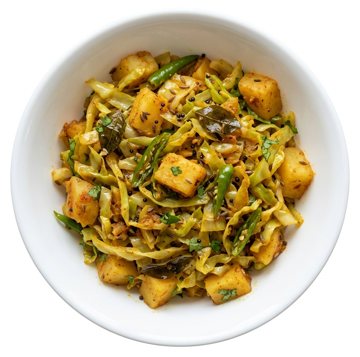
Bandhkopir Torkari (Stir-Fried Bengali Five-Spice Cabbage)

Bandhkopir Torkari

Stir-Fried Bengali Five-Spice Cabbage
VegetarianOrigin Bengal

A dry Bengali-style cabbage stir-fry scented with panch phoron, onion and ginger, with mild chilli warmth and a fresh lemon-coriander finish. The cabbage cooks until tender but still has some bite.

Whole spices for the oil

8 gAdded to the hot oil at the start (step 2)
01
8 g1 tablespoon
spice blend
Keep whole; add them to the hot oil together.

Ground chilli for the cabbage

1.2 gStirred in with the ginger (step 4)
Keep as ground; add it with the ginger.

Everything else

01
27 g2 tablespoons
oil/fat
02
Onion · Pyazfinely sliced
150 g1 onion
vegetable
03
Fresh ginger · Adrakcoarsely grated
10 g2½ cm
aromatic
04
Cabbage · Patta Gobhifinely shredded
900 g1 head
vegetable
05
to taste
salt
06
1.5 g1 tablespoon
herb
07
5 g1 teaspoon
souring agent

Method

  1. Heat 27 g vegetable oil in a wok or deep sauté pan over medium heat.
  2. When the oil is hot, add the whole spices for the oil (7.5 g panch phoron) and fry for under 1 minute to flavour the oil.
  3. Add 150 g finely sliced onion and fry for 7–8 minutes, until it starts to soften.
  4. Add 10 g coarsely grated ginger and the ground chilli for the cabbage (1.2 g kashmiri chilli powder or mild paprika); cook for 1 minute.
  5. Add 900 g finely shredded white cabbage and toss for 2 minutes. Turn the heat to low, cover and cook for 6 minutes, stirring once halfway and checking that nothing sticks to the pan; the cabbage should be tender but not collapsed.
  6. Season to taste with salt.
  7. Scatter over 1.5 g chopped coriander leaves and squeeze over 5.1 g lemon juice.

Don't have something?

Vegetable oil
  • Peanut oil

    Use 1:1 by weight. Handles high-heat frying identically and introduces a very subtle, pleasant nuttiness.

  • Ghee

    Use 1:1 by weight. Yields a much richer, authentic aroma and a glossy, heavier mouthfeel.

  • Mustard oil

    Use 1:1 by weight. Heat until smoking, then cool slightly before cooking to temper its intensely pungent, sharp mustard kick.

Panch phoron
  • Ground Bengali five-spice mix

    Use 70% of the weight, added with the ground spices rather than tempered whole. You lose the whole-seed crackle but keep the five-spice aroma.

  • Cumin seed or black cumin seed

    Use about 40% of the weight, with equal amounts of fennel seed and nigella seeds if you have them. It is not a true blend; the result is cumin-forward and less complex.

  • Fennel seed

    Use about 30% of the weight with cumin and mustard seed to approximate the blend. It adds sweetness but misses fenugreek's bitterness and nigella's onion note.

Onion
  • Shallot

    Use equal weight, finely sliced. Shallots soften and brown faster, giving a slightly sweeter and more delicate base to curries.

  • Cabbage

    Use 80% of the weight, finely shredded and browned slowly with a pinch of asafoetida. Replicates the bulk and natural sweetness in gravies without allium.

Fresh ginger
  • Ginger paste

    Use equal weight. Sauté in hot fat until the raw allium smell disappears; slightly wetter, but provides identical warmth and pungency.

  • Ground ginger

    Use 20% to 25% of the weight (1 g for every 4 to 5 g fresh). Stir into the gravy; adds peppery heat and warmth, though it misses the crisp, zesty kick of raw root.


Kashmiri chilli powder or mild paprika
  • Kashmiri chilli powder

    Use the same weight; this is the first half of the book's option and gives the best red colour with mild heat.

  • Mild paprika

    Use the same weight; add a pinch of cayenne pepper for warmth. Slightly less colour.

  • Paprika

    Use the same weight and add cayenne pepper to taste; works but is less aromatic.

Cabbage
  • Sweetheart cabbage

    Use 100% of the weight. Finely shred; cooks slightly faster than firm white cabbage and gives a sweeter, tender crunch in thorans and sabzis.

  • Savoy cabbage

    Use 100% of the weight. Shred finely; holds its shape well when stir-fried and carries spiced oil effectively.

  • Brussels sprouts

    Use 90% of the weight. Finely shred or halve; offers an identical brassica crunch and slight peppery bite.

Coriander leaves
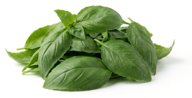
  • Coriander (cilantro) or basil

    Use the same weight, choosing the coriander element if available. If only basil is available, expect a sweeter, more aniseed flavour.

  • Basil leaves

    Use the same weight. Basil is sweeter and more aromatic in a different way; add near the end so it keeps its perfume.

  • Coriander paste

    Use 1.5 times the weight and reduce other liquid slightly; it is less fresh and more concentrated, so taste before adding more.

Lemon juice
  • Lime juice

    Use equal volume or weight; delivers almost identical sharp acidity with a faintly more aromatic, bitter-edged profile.

  • Dried mango powder

    Use 25% of the weight (about 1 g amchoor for 4 g juice); provides clean fruity tartness without thinning the sauce.

  • White vinegar

    Use 75% of the volume; gives direct sourness without any citrus floral fragrance.

Similar dishes

Gujarati Batata Cabbage Nu Shaak
Spiced Cabbage with Cumin and Coriander
It tastes savoury, lightly sweet and warmly spiced with soft cabbage and potato, while this dish is milder with chilli warmth and a fresh lemon-coriander finish.
  • Same: Gujarati Batata Cabbage Nu Shaak shares with this dish a dry cabbage base, vegetable oil, Kashmiri chilli powder or mild paprika, salt and coriander leaves.
  • Different: It adds potato, asafoetida, cumin seed, black mustard seed, curry leaf, green bird’s eye chilli, turmeric, ground coriander and sugar, and lacks this dish’s panch phoron, onion, ginger and lemon juice.
Kosu Podi
Fried Savoury Cabbage
Kosu Podi tastes of crisp fried lentils, green chilli heat and sweet coconut, while this dish is scented with panch phoron and ginger and finishes with mild chilli and lemon-coriander freshness.
  • Same: Kosu Podi and this dish are both dry stir-fried cabbage dishes made with vegetable oil, onion, cabbage and salt.
  • Different: Kosu Podi adds chana dal, urad dal, cumin seed, garlic, green chilli and fresh coconut, while this dish uses panch phoron, ginger, Kashmiri chilli or paprika and lemon juice.
Gujarati Sambharo
Spiced Cabbage Salad with Chilli, Curry Leaves, Turmeric & Lime
Gujarati Sambharo tastes savoury, lightly sweet and tangy with soft cabbage and a little chilli heat, while this dish is a dry panch phoron-scented stir-fry with cabbage that stays tender but still has some bite.
  • Same: Gujarati Sambharo shares white cabbage, coriander leaf and a fresh citrus finish with this dish, and both are dry cabbage-based vegetable preparations with some chilli warmth.
  • Different: Gujarati Sambharo uses ghee, black mustard seed, asafoetida, curry leaves, turmeric, sugar, lime, carrot and red bell pepper, while this dish uses vegetable oil, panch phoron, onion, ginger, Kashmiri chilli powder and lemon; it is a warm tempered salad rather than a stir-fry.
Grilled Hispi with Chilli Garlic Chutney
Grilled Hispi with Chilli Garlic Chutney is smoky, crunchy and fresh with a hot-sour chutney kick and cool raita, while this dish is tender with some bite, scented with five-spice, mildly warm and finished with lemon and coriander.
  • Same: Grilled Hispi with Chilli Garlic Chutney shares cabbage as the main ingredient and uses vegetable oil, and both are dry vegetable dishes with a chilli element.
  • Different: Grilled Hispi with Chilli Garlic Chutney uses hispi cabbage grilled until charred with cumin seed and salt, then topped with chilli garlic chutney, crushed peanuts and sesame raita; this dish stir-fries white cabbage with panch phoron, onion, ginger, kashmiri chilli powder, lemon juice and coriander.