
Gujarati Moong Dal Dhokla
A soft steamed cake made from soaked green moong dal, flavoured with ginger, chilli and lime, then topped with a sweet-savoury mustard and curry-leaf tadka. It tastes tangy, savoury and lightly sweet, with a moist crumb.
Mustard seeds for the tadka
3.5 gAdded first to the hot oil for the tadka (step 6)Asafoetida for the tadka
1.4 gStirred into the tadka oil after the mustard seeds crackle (step 6)Everything else

Method
- Put 250 g green moong dal in a bowl, cover with water and leave for 6–7 hours or overnight.
- Crush 5 g ginger root and 2 g green bird's-eye chilli to a coarse paste in a pestle and mortar.
- Drain the dal. Blend it with 179 g water until smooth and fine. Tip into a mixing bowl.
- Stir in the crushed ginger-chilli paste, 1 g coriander leaf, 13.5 g vegetable oil, 25 g lime juice and salt to taste. Mix the batter well and leave it aside.
- Get the steamer ready. Oil a round 10–20 cm cake tin and line it with baking parchment.
- Stir 4.5 g fruit salt evenly through the batter. Spoon into the tin and steam over medium heat for 18–20 minutes. Without a steamer, stand the tin on a trivet in a large saucepan, pour in boiling water up to the trivet, cover and steam for the same time, adding more boiling water as needed.
- Switch off the heat and leave until the tin is cool enough to handle. Take the tin out, run a knife around the inside edge and turn the dhokla onto a plate. Prick the top in several places with a cocktail stick. Leave to cool a little.
- Heat 27 g vegetable oil in a frying pan over medium heat. Add the mustard seeds for the tadka (3.5 g) and 3 g sesame seed; fry for a few seconds until they crackle. Add the asafoetida for the tadka (1.4 g); fry a few seconds more. Switch off the heat. Add 1.5–2 g curry leaf, 12.6 g granulated sugar and about 3 tbsp water; stir until the sugar dissolves.
- Spoon the tadka evenly over the warm dhokla; it will soak in and moisten the cake.
- Scatter over coriander, to taste, and grated coconut, to taste. Serve warm.
Don't have something?


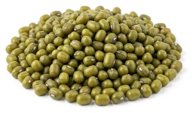 Whole mung beans
This is the same bean under another name; use the same weight and soak as directed.
 Split green mung beans
Use the same weight; it cooks 10–15 minutes faster without soaking, so add later and expect a softer texture.
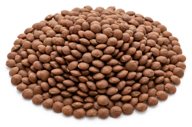 Whole brown lentil
Use the same weight; it is firmer and earthier and needs 5–10 minutes longer.


 Ginger paste
Use equal weight. Sauté in hot fat until the raw allium smell disappears; slightly wetter, but provides identical warmth and pungency.
 Ground ginger
Use 20% to 25% of the weight (1 g for every 4 to 5 g fresh). Stir into the gravy; adds peppery heat and warmth, though it misses the crisp, zesty kick of raw root.


- Bird's eye green chilli
Use the same weight; heat and flavour are very close.
 Green chilli
Use 1.5 to 2 times the weight; deseed for less heat. Larger chillies are more watery.
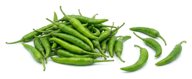 Fresh green chilli
Use 1.5 to 2 times the weight; chop finely and adjust heat by tasting.


 Stock
Use the same weight in savoury dishes; it adds body, so adjust salt.
 Milk
Use the same weight only in doughs or creamy dishes; it makes the result richer.
 Coconut water
Use the same weight in curries or rice; it adds sweetness and a faint coconut taste.


 Peanut oil
Use 1:1 by weight. Handles high-heat frying identically and introduces a very subtle, pleasant nuttiness.
 Ghee
Use 1:1 by weight. Yields a much richer, authentic aroma and a glossy, heavier mouthfeel.
 Mustard oil
Use 1:1 by weight. Heat until smoking, then cool slightly before cooking to temper its intensely pungent, sharp mustard kick.


 Lemon
Use the same weight; sharper and less floral, so reduce any extra souring slightly.
 Lemon juice
Use about 30 g juice per lime (2 tbsp), strain pips; add at the end for fresh sourness.
 Dried mango powder
Use 1 g amchoor for about 15 g lime juice; add early with spices; gives dry mango sourness, not citrus aroma.


 Baking soda
Mix equal weights with citric acid and use the same total weight as fruit salt.
 Baking powder
Use 1.5 times the weight; it is weaker and contains starch, so the rise is slightly less.
 Bicarbonate of soda
Same as baking soda: mix equal weights with citric acid and use the same total weight as fruit salt.


- Coriander leaf
Use equal weight, chopped fresh and stirred in off the heat or used as garnish. Matches the citrus-herbal profile identically.
 Mint
Use 40% to 50% of the weight; chop finely and add at the very end. Adds fresh herbal brightness, but shifts the aroma toward cool menthol.
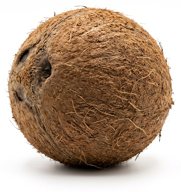
 Fresh coconut
Use equal weight freshly grated or diced. Delivers the identical sweet, milky taste and juicy texture.
 Desiccated coconut
Use 60% of the weight and soak in hot water or milk for 15 minutes before using. The finished dish will be slightly sweeter and less fibrous.
 Dried coconut
Finely grate and use 50% of the weight, soaked in hot water for 20 minutes. Yields a firmer chew and a denser, oilier coconut aroma.


 Mustard seeds
Use equal weight. Pop in hot fat until they crackle and turn greyish; yields an almost identical nutty, pungent finish.
 Yellow mustard seeds
Use equal weight. Fry over medium heat; delivers a milder, sweeter pop and turns bitter quickly if the oil is excessively hot.


 White sesame seed
Use the same weight. Toast lightly before use; white seeds are milder and give a cleaner look.
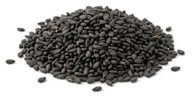 Black sesame seed
Use the same weight. They are stronger and more bitter; toast briefly and use slightly less if the dish is delicate.
 Peanut
Use the same weight, crushed or chopped. It gives crunch but not the same nutty sesame aroma.


 Garlic powder
Use double the weight. Stir into hot oil just before adding wet ingredients; mimics the allium savoury background without the sulphurous edge.
 Garlic paste
Use 2 g for every 0.5 g of asafoetida. Sauté in oil until the raw smell clears; adds moisture and sweet allium depth.


 Bay leaf
Fry 1 bay leaf for every 5 curry leaves in hot oil; imparts a warm, woodsy background note, but misses the citrus-sulphury punch entirely.
 Lime juice
Add a small squeeze (about 5 ml per sprig of curry leaves) right before serving; provides sharp citrus top notes without the toasty, herbal aroma.


 Jaggery
Use equal weight; grate or shave finely so it dissolves rapidly, giving a warm, caramel-like sweetness and slightly darker sauce.

Similar dishes

- Same: Andhra Masala Vadai shares green bird's-eye chilli, curry leaf, ginger, asafoetida and vegetable oil with this dish, and both are lentil-based snacks.
- Different: Andhra Masala Vadai uses chana dal, white onion and deep-frying, while this dish uses green moong dal, lime, fruit salt and steaming, and it lacks this dish's mustard-sesame-sugar tadka, coconut and coriander.
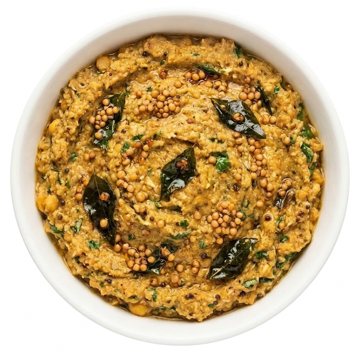
- Same: Chenigapappu Chutney shares lentils, ginger, green chilli, lime, vegetable oil, mustard seed, asafoetida and curry leaves with this dish.
- Different: Chenigapappu Chutney uses roasted chana dal and fresh coconut instead of soaked green moong dal, and it is a ground condiment rather than a steamed cake; it lacks fruit salt and sugar and is not steamed.
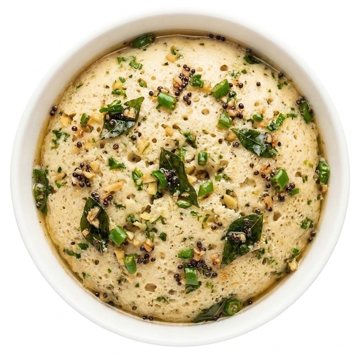
- Same: Dhokla shares with this dish a steamed lentil-cake style, ginger, green chilli, vegetable oil, black mustard seed and curry leaf tempering.
- Different: Dhokla uses chana dal instead of green moong dal, lemon juice instead of lime, bicarbonate of soda instead of fruit salt, and tamarind or mint chutney, while it lacks asafoetida, sesame seed, coconut and coriander.

- Same: Borar Jhaal and this dish both use lentils, green chilli, asafoetida, mustard seeds, sugar and salt.
- Different: Borar Jhaal uses urad dal fried into balls and simmered in a mustard-oil gravy, while this dish uses green moong dal steamed into a cake and finished with a vegetable-oil tadka; Borar Jhaal has nigella seeds and no lime, coconut or curry-leaf tadka.