Indian cooking
Indian cooking / Dishes / Andhra Masala Vadai
Andhra Masala Vadai (Crispy Fried Lentil Patties)

Andhra Masala Vadai

Crispy Fried Lentil Patties
VegetarianOrigin Andhra

Andhra masala vadai are crisp, deep-fried lentil patties made from coarsely ground chana dal with chilli, curry leaf, ginger, onion and asafoetida. They eat savoury, spicy and crunchy.

Asafoetida for the vadai mix

1.4 gStirred into the ground dal with the chilli paste and onion (step 4)
01
1.4 g½ teaspoon
spice
Weigh it straight into the mixing bowl; no further preparation is needed.

Everything else

01
250 g
legume
02
3 g2 chillies
vegetable
03
3 g12 leaves
herb
04
Fresh ginger · Adrakroughly chopped
20 g5 cm
aromatic
05
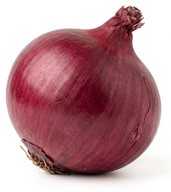
60 g
vegetable
06
to taste
salt
07
Vegetable oil · Telfor deep-frying
to taste
oil/fat

Method

  1. Rinse 250 g chana dal and soak it in plenty of water for 2 hours.
  2. Crush 4 g green bird's-eye chilli, 3 g curry leaf and 10 g ginger root to a coarse paste; set aside.
  3. Drain the chana dal and blend it to a thick, coarse paste, adding up to 1 tbsp water only if needed; keep a few whole pieces.
  4. Put the blended dal in a mixing bowl. Add the chilli-curry leaf-ginger paste, 60 g white onion and the asafoetida for the vadai mix (1.4 g). Add salt to taste and mix thoroughly.
  5. Divide the mixture into 12 equal portions and shape each into a flat patty.
  6. Pour vegetable oil into a wok or kadhai to about one-third depth and heat it for deep-frying. Line a plate with paper towels.
  7. Drop a small square of bread into the oil; it is hot enough when the bread sizzles and browns within 30 seconds.
  8. Fry the vadai in batches, a few at a time, for 5–7 minutes until golden and crisp.
  9. Lift them out with a slotted spoon and drain on the paper towels. Fry the remaining batches and serve warm.

Don't have something?

Chana dal
  • Yellow split peas

    Use 100% of the weight. Soak for at least 1 hour; takes about 10 minutes longer to cook through and has a marginally earthier flavour.

  • Pigeon peas

    Use 100% of the weight. Reduces cooking time by about 10 minutes and breaks down softer, giving a smoother consistency rather than distinct grains.

  • Black gram

    For tempering or tadka only: use 70% of the weight. Browns faster in hot oil, providing a nutty, crunchy bite.

Green bird's eye chilli
  • Bird's eye green chilli

    Use the same weight; heat and flavour are very close.

  • Green chilli

    Use 1.5 to 2 times the weight; deseed for less heat. Larger chillies are more watery.

  • Fresh green chilli

    Use 1.5 to 2 times the weight; chop finely and adjust heat by tasting.

Curry leaf
  • Bay leaf

    Fry 1 bay leaf for every 5 curry leaves in hot oil; imparts a warm, woodsy background note, but misses the citrus-sulphury punch entirely.

  • Lime juice

    Add a small squeeze (about 5 ml per sprig of curry leaves) right before serving; provides sharp citrus top notes without the toasty, herbal aroma.

Fresh ginger
  • Ginger paste

    Use equal weight. Sauté in hot fat until the raw allium smell disappears; slightly wetter, but provides identical warmth and pungency.

  • Ground ginger

    Use 20% to 25% of the weight (1 g for every 4 to 5 g fresh). Stir into the gravy; adds peppery heat and warmth, though it misses the crisp, zesty kick of raw root.


White onion
  • Brown onion

    Use the same weight; it is the closest everyday match, with a slightly deeper sweetness when fried.

  • Red onion

    Use the same weight; it is sharper and will tint the dish pink, so cook a little longer for sweetness.

  • Shallot

    Use the same weight; it is milder and sweeter, so reduce frying time slightly to avoid burning.

Asafoetida
  • Garlic powder

    Use double the weight. Stir into hot oil just before adding wet ingredients; mimics the allium savoury background without the sulphurous edge.

  • Garlic paste

    Use 2 g for every 0.5 g of asafoetida. Sauté in oil until the raw smell clears; adds moisture and sweet allium depth.

Vegetable oil
  • Peanut oil

    Use 1:1 by weight. Handles high-heat frying identically and introduces a very subtle, pleasant nuttiness.

  • Ghee

    Use 1:1 by weight. Yields a much richer, authentic aroma and a glossy, heavier mouthfeel.

  • Mustard oil

    Use 1:1 by weight. Heat until smoking, then cool slightly before cooking to temper its intensely pungent, sharp mustard kick.

Similar dishes

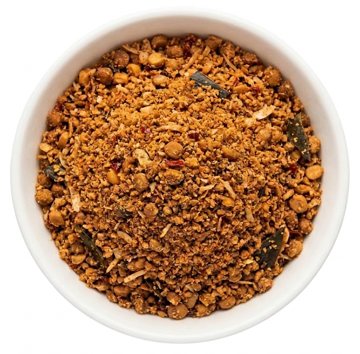
Molgai Podi
Dry Ground Chutney
Molgai Podi tastes nutty, earthy and warmly spicy as a dry crunch, while this dish tastes savoury, spicy and crunchy as fried patties.
  • Same: Molgai Podi and this dish both use chana dal, asafoetida, curry leaf, salt and vegetable oil.
  • Different: Molgai Podi also has urad dal, desiccated coconut and dried red chilli and is a dry toasted powder, while this dish has green chilli, ginger and onion and is deep-fried as patties.
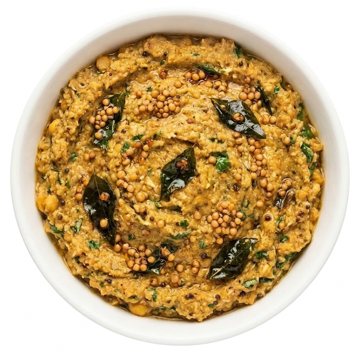
Chenigapappu Chutney
Chana Dal Chutney
Chenigapappu Chutney tastes nutty, tangy and tempered-spicy, with a softer spoonable texture rather than this dish's crisp, savoury crunch.
  • Same: Chenigapappu Chutney shares chana dal, green chilli, ginger, curry leaf, asafoetida, salt and vegetable oil with this dish.
  • Different: Chenigapappu Chutney adds fresh coconut, coriander leaf, lime and a mustard-seed tempering, lacks onion, and is a ground roasted-dal condiment rather than a coarsely ground deep-fried patty.
Gujarati Moong Dal Dhokla
Steamed Lentil Cake with Ginger & Curry Leaves
Gujarati Moong Dal Dhokla tastes tangy, savoury and lightly sweet with a moist soft crumb, while this dish tastes spicy, savoury and crunchy.
  • Same: Gujarati Moong Dal Dhokla shares with this dish a lentil base and seasoning with green chilli, ginger, curry leaf, asafoetida, salt and vegetable oil.
  • Different: Gujarati Moong Dal Dhokla uses soaked green moong dal, water, lime, fruit salt, sugar, mustard seed, sesame seed, coriander and coconut, and it is steamed, while this dish uses chana dal with onion and is deep-fried.
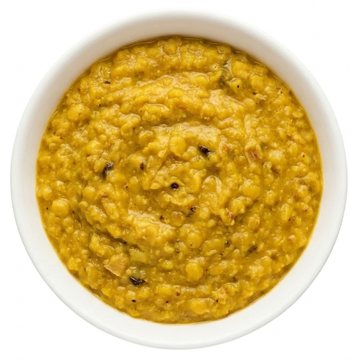
Lachko Dal
Thick Yellow Toor (Toover) Dal
Lachko Dal tastes savoury and comforting rather than spicy and crunchy, with ghee richness and no chilli heat or fried texture.
  • Same: Lachko Dal shares asafoetida, ginger, salt and a legume base with this dish, and neither list includes a souring agent.
  • Different: Lachko Dal uses toor dal and ghee and adds turmeric, while this dish uses chana dal, vegetable oil, green chilli, curry leaf and onion and is ground and deep-fried as patties rather than cooked as a thick dal.