Indian cooking
Qabooli (Rice & Dried Fruit Kedgeree)

Qabooli

Rice & Dried Fruit Kedgeree
VegetarianOrigin Punjab/Delhi/Awadh/HyderabadPrep 40 minutes, plus soaking timeCook 35 minutes

A fragrant, layered rice kedgeree studded with toasted nuts and gently spiced with whole aromatics. It balances rich buttery notes from ghee with the delicate perfume of saffron and cooling yogurt.

Saffron

0.3 gGround with milk in step 2
01
Saffron · Kesarwarmed to dry
0.3 g½ teaspoon
spice
Crush lightly into a coarse powder before steeping in warm milk.

Whole spices

4.6 gFried with the sliced onion in step 5
02
0.6 g8 cloves
spice
03
2.6 g2 pieces
spice
Leave whole; they will bloom directly in the hot ghee.

Everything else

01
1000 g
grain
02
Milk · Doodhplus a little extra
129 g125 ml
dairy
04
500 g
nut/seed
05
250 g
oil/fat
06
150 g1 onion
vegetable
07
127 g125 ml
dairy
08
to taste
salt

Method

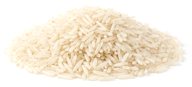
  1. Submerge 1000 g basmati rice in salted water (using salt to taste) for 20 minutes, then drain thoroughly.
  2. Transfer the saffron to a mortar, add 1 tablespoon of milk (from 129 g milk plus extra), grind with a pestle, and leave to infuse for 15 minutes.
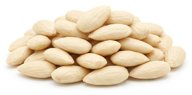
  3. Bring 1 teaspoon bicarbonate of soda and a splash of water to a boil in a small pan, then stir in 500 g almonds and simmer until tender-crisp and the liquid has completely evaporated.
  4. Warm 250 g ghee in a pan over medium heat, fry the cooked almonds until crisp and golden brown, then drain on paper towels.
  5. Reserve 1 tablespoon of the warm ghee in a large pot over medium heat, add 150 g onion and the whole spices, and fry for roughly 5 minutes until browned.
  6. Pour 2 litres of boiling water into the pot, stir in the drained rice, and simmer for about 18 minutes until three-quarters tender, then drain and set aside half of the grains.
  7. Layer the fried almonds over the rice remaining in the pan, followed by half of the remaining milk and half of 127 g plain yogurt.
  8. Spread the reserved rice over the top, drizzle with the saffron milk, and spoon over the rest of the plain yogurt.
  9. Cover tightly and steam over low heat for 30 minutes until the rice is fully tender, then serve hot.

Don't have something?

Basmati rice
  • Plain boiled rice

    Use 2.5 times the weight if substituting pre-cooked rice. Fold in gently at the end of the recipe; grains will be shorter and less fragrant.

Saffron
  • Ground turmeric

    Use 15% of the saffron's weight. Replicates the bright yellow colour well, but lacks the floral, earthy depth; use sparingly to avoid bitterness.

  • Screwpine water or rosewater

    Use a few drops combined with a tiny pinch of ground turmeric to mimic both the regal floral aroma and the golden hue.

Milk
  • Whole milk

    Use equal weight; provides the standard rich dairy fat and body expected in creamy Indian bases.

  • Single cream

    Dilute 3 parts cream with 1 part water to match the weight; yields a richer, glossier gravy that resists curdling.

  • Plain yogurt

    Whisk thoroughly and use equal weight; adds extra body and a mild pleasant acidity, best added off the heat.

Bicarbonate of soda
  • Baking soda

    Use the same weight; it is the same ingredient under another name.

  • Baking powder

    Use about 3 g baking powder for 1 g bicarbonate of soda; it already contains acid, so expect slight extra rise and a different taste in baking.

  • Alkaline water

    Only for soaking or tenderising, not baking; use enough to cover and expect a much weaker effect.

Blanched almond
  • Almond

    Use the same weight; cover with hot water for 5 minutes, then slip off the skins.

  • Blanched split almond

    Use the same weight; they are already peeled and split, so use whole or chop as needed.

  • Cashew nut

    Use the same weight; soak in warm water before grinding. They are softer and richer, so the dish will be creamier.

Ghee
  • Unsalted butter

    Use 120% of the weight; melt gently over low heat to avoid burning the milk solids, which will yield a softer, creamier richness rather than a nutty aroma.

  • Vegetable oil

    Use 85% of the weight; holds high cooking temperatures without smoking, but the final dish will lack traditional dairy depth.

  • Mustard oil

    Use equal weight; heat to smoking point and cool slightly before cooking, bearing in mind it introduces an assertive, pungent edge.

Onion
  • Shallot

    Use equal weight, finely sliced. Shallots soften and brown faster, giving a slightly sweeter and more delicate base to curries.

  • Cabbage

    Use 80% of the weight, finely shredded and browned slowly with a pinch of asafoetida. Replicates the bulk and natural sweetness in gravies without allium.

Green cardamom pod
  • Green cardamom seed

    Use 35 to 40% of the total pod weight; lightly bruise the seeds before frying in oil to release their essential oils.

  • Ground green cardamom

    Use 20 to 25% of the pod weight (about 1 generous pinch per pod); stir in toward the end of cooking so the delicate floral notes do not dissipate.

  • White cardamom pod

    Use 1:1 by pod count or weight; crack gently before using, though it is slightly less intensely floral.

Clove
  • Ground cloves

    Use 1 g ground for 4 g whole (or 1 small pinch per 2 to 3 whole cloves). Add with spice powders; disperses intense warmth quickly, so use with restraint.

  • Allspice berries

    Use 100% of the weight whole in tempering. Imparts a warm, clove-like aromatic profile combined with hints of nutmeg and cinnamon.

  • Black cardamom pod

    Use 1 pod for 3 to 4 cloves in whole tempering. Shares a camphor-like warmth and medicinal depth, though it introduces a distinct smoky undertone.

Cassia bark
  • Ceylon cinnamon

    True cinnamon: thinner, papery quills, milder and sweeter. Use about 1.5 times the weight, and taste.

  • Ground cinnamon (cassia)

    Use about a third of the weight (0.5 g ground for a 2.5 cm piece), stirred in with the ground spices rather than fried whole, since the powder burns quickly.


  • Cassia buds

    Use 60-70% of the weight; stronger and more peppery, so taste before adding more.

Plain yogurt
  • Yogurt

    Use equal weight, whisked thoroughly until smooth before adding to hot dishes to prevent curdling.

  • Coconut milk

    Use equal weight with 1 teaspoon lemon juice mixed in. Provides rich creaminess in curries, but adds a noticeable coconut flavour.

  • Single cream

    Use 80% of the weight plus a squeeze of lemon juice for acidity. Enriches sauces nicely, though it is richer and less tangy.

Similar dishes

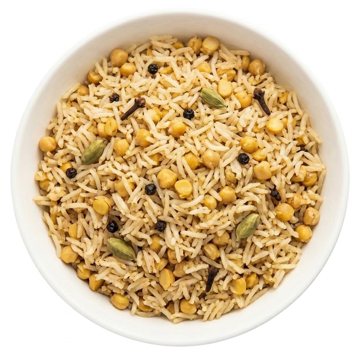
Chane ki Dal ki Tehari
Rice Cooked with Chana Dal
It tastes more earthy, savory, and peppery from the lentils and peppercorns, lacking the delicate floral sweetness and tangy richness of this dish's saffron and yogurt.
  • Same: Both dishes cook basmati rice in generous amounts of ghee seasoned with whole cinnamon, cloves, and green cardamom.
  • Different: Chane ki Dal ki Tehari adds split chickpeas, bay leaf, and black peppercorns in a one-pot method, but omits the saffron, milk, yogurt, and sliced onions used in this layered dish.
Jangir
Syrup-soaked Pretzels
Jangir is intensely sweet and floral, in contrast to this dish's savory, buttery, and gently spiced flavor.
  • Same: Both preparations incorporate basmati rice, saffron, and milk.
  • Different: Jangir is a deep-fried sweet made from an urad dal and rice batter soaked in sugar syrup and rosewater, whereas this dish is a savory rice kedgeree cooked in ghee with yogurt, onions, cinnamon, cloves, and cardamom.
Sarvari
Rice with Urad Dal, Chickpeas (Garbanzo Beans) or Peas
Sarvari tastes earthy and savory from the cumin, whereas this dish is richer, slightly tangy from yogurt, and perfumed with saffron and sweet spices.
  • Same: Both dishes are based on basmati rice cooked with ghee and spiced with cloves.
  • Different: Sarvari introduces ground cumin and legumes or peas through a tarka, but omits this dish's onions, cinnamon, cardamom, saffron, milk, and yogurt.
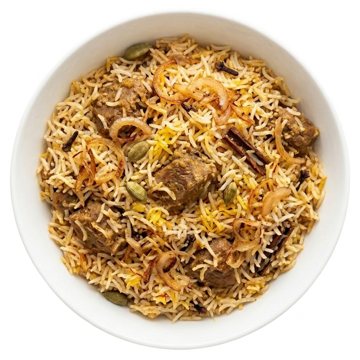
Qorma Pulao
Curried Lamb Pulao
Qorma Pulao tastes substantially more savory and meaty, whereas this dish is much milder, tangier from yogurt, and richer in ghee.
  • Same: Qorma Pulao shares a basmati rice base infused with saffron, milk, onions, and whole spices including cinnamon, cloves, and green cardamom.
  • Different: Unlike this vegetarian dish, Qorma Pulao incorporates prepared mutton qorma, seals the pot with dough for steaming, and uses far less ghee.