Indian cooking
Indian cooking / Dishes / Chane ki Dal ki Tehari
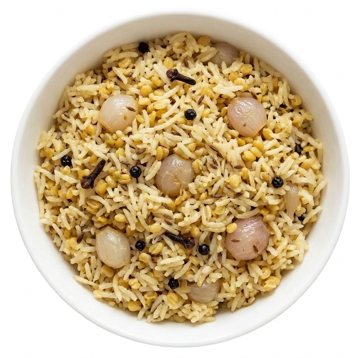
Chane ki Dal ki Tehari (Rice Cooked with Chana Dal)

Chane ki Dal ki Tehari

Rice Cooked with Chana Dal
VegetarianOrigin AwadhPrep 30 minutes, plus soaking and standing timeCook 20–25 minutes

A fragrant, comforting one-pot pilaf of nutty split chickpeas and long-grain rice infused with whole aromatic spices and rich ghee.

whole spices

7 gFried in ghee at the start (step 2)
01
1 g2 leaves
spice
02
0.7 g10 cloves
spice
03
1.1–1.4 g6–8 pods
spice
04
2.6 g2 pieces
spice
05
1.4 g½ teaspoon
spice
Leave whole; they will bloom together in the melted ghee.

Everything else

01
Chana dalrinsed and drained
200 g
legume
02
500 g
grain
03
200 g
oil/fat
04
to taste
salt

Method

  1. Submerge 200 g chana dal in plenty of water and set aside for 8–10 hours. Pour off the liquid and let the dal rest in a colander for 10 minutes. Separately, soak 500 g basmati rice in water for 15–20 minutes, then drain and set aside for 10 minutes.
  2. Melt 200 g ghee in a heavy-bottomed pot over medium heat. Tip in the whole spices and fry for 1–2 minutes until their aroma releases.
  3. Add the drained dal to the pot, reduce the flame, cover with a tight-fitting lid, and steam for 5 minutes.
  4. Uncover and add the soaked rice along with salt to taste. Stir gently for 1 minute to coat the grains, then pour in enough water to rise roughly 2.5 cm (1 inch) over the rice.
  5. Drop the heat to low, cover the pot, and cook for 20–25 minutes until both the rice and lentils have turned fully tender and absorbed the liquid.
  6. Remove and discard the bay leaf and cinnamon stick before serving.

Don't have something?

Chana dal
  • Yellow split peas

    Use 100% of the weight. Soak for at least 1 hour; takes about 10 minutes longer to cook through and has a marginally earthier flavour.

  • Pigeon peas

    Use 100% of the weight. Reduces cooking time by about 10 minutes and breaks down softer, giving a smoother consistency rather than distinct grains.

  • Black gram

    For tempering or tadka only: use 70% of the weight. Browns faster in hot oil, providing a nutty, crunchy bite.

Basmati rice
  • Plain boiled rice

    Use 2.5 times the weight if substituting pre-cooked rice. Fold in gently at the end of the recipe; grains will be shorter and less fragrant.

Ghee
  • Unsalted butter

    Use 120% of the weight; melt gently over low heat to avoid burning the milk solids, which will yield a softer, creamier richness rather than a nutty aroma.

  • Vegetable oil

    Use 85% of the weight; holds high cooking temperatures without smoking, but the final dish will lack traditional dairy depth.

  • Mustard oil

    Use equal weight; heat to smoking point and cool slightly before cooking, bearing in mind it introduces an assertive, pungent edge.

Bay leaf
  • Cinnamon stick

    Use a 2 cm piece (about 1 g) for every 1 to 2 bay leaves. Fry in whole-spice temperings; provides the cassia-like warmth typical of Indian tejpatta.

  • Ground cinnamon (cassia)

    Use 0.5 g per leaf. Stir into the sauce during simmering; gives the same warm woodiness but darkens the colour slightly.

Clove
  • Ground cloves

    Use 1 g ground for 4 g whole (or 1 small pinch per 2 to 3 whole cloves). Add with spice powders; disperses intense warmth quickly, so use with restraint.

  • Allspice berries

    Use 100% of the weight whole in tempering. Imparts a warm, clove-like aromatic profile combined with hints of nutmeg and cinnamon.

  • Black cardamom pod

    Use 1 pod for 3 to 4 cloves in whole tempering. Shares a camphor-like warmth and medicinal depth, though it introduces a distinct smoky undertone.

Green cardamom pod
  • Green cardamom seed

    Use 35 to 40% of the total pod weight; lightly bruise the seeds before frying in oil to release their essential oils.

  • Ground green cardamom

    Use 20 to 25% of the pod weight (about 1 generous pinch per pod); stir in toward the end of cooking so the delicate floral notes do not dissipate.

  • White cardamom pod

    Use 1:1 by pod count or weight; crack gently before using, though it is slightly less intensely floral.

Cassia bark
  • Ceylon cinnamon

    True cinnamon: thinner, papery quills, milder and sweeter. Use about 1.5 times the weight, and taste.

  • Ground cinnamon (cassia)

    Use about a third of the weight (0.5 g ground for a 2.5 cm piece), stirred in with the ground spices rather than fried whole, since the powder burns quickly.


  • Cassia buds

    Use 60-70% of the weight; stronger and more peppery, so taste before adding more.

Black peppercorn
  • Coarsely ground black pepper

    Use 75% of the weight. Add midway through simmering; spreads heat evenly through the dish instead of delivering isolated bursts.

  • Ground black pepper

    Use 50% of the weight. Stir in near the end of cooking; significantly darkens light gravies and provides an immediate, sharp bite.

Similar dishes

Khilwan Khichari
Dry Khichari
Khilwan Khichari has an earthier, cumin-forward flavour with softer lentils, lacking the sweet, fragrant warmth of the cinnamon and cardamom in this dish.
  • Same: Khilwan Khichari is also a dry rice-and-lentil dish cooked in ghee with bay leaf, cloves, and black peppercorns.
  • Different: It uses quick-cooking moong dal instead of chana dal, adds cumin seeds, and omits the cinnamon and green cardamom.
Qabooli
Rice & Dried Fruit Kedgeree
Qabooli tastes floral, rich, and mildly tangy from saffron and yogurt, whereas this dish tastes nuttier and more peppery from chana dal and black peppercorns.
  • Same: Both are basmati rice dishes cooked in ghee with whole cinnamon, cloves, and green cardamom.
  • Different: Qabooli is a layered dish made with onions, saffron, milk, and yogurt, but it omits the chana dal, bay leaves, and black peppercorns of this one-pot tehari.
Sarvari
Rice with Urad Dal, Chickpeas (Garbanzo Beans) or Peas
Sarvari tastes predominantly of earthy cumin and cloves, whereas this dish has a richer, broader warmth from black pepper, cinnamon, and cardamom.
  • Same: Sarvari also cooks basmati rice with ghee and cloves.
  • Different: Sarvari is finished with a ground cumin tarka rather than being cooked with chana dal, bay leaves, cinnamon, green cardamom, and black peppercorns.
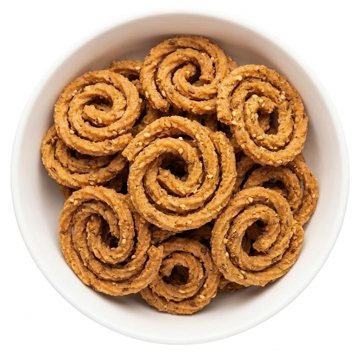
Mangupullu
Crispy Deep-fried Savoury Rings
Mangupullu is brittle, crisp and nutty with cumin and sesame, while this dish is fragrant and comforting with ghee and whole-spice aroma.
  • Same: Mangupullu and this dish both use basmati rice, lentils, ghee and salt.
  • Different: Mangupullu is a deep-fried snack of moong dal, gram flour, sesame and cumin cooked in vegetable oil, while this dish is a one-pot pilaf of chana dal with whole bay leaf, clove, green cardamom, cinnamon and black peppercorn; neither lists a souring agent.