
Khare Maash ki Dal
A rich and fragrant dry-style urad dal cooked with fried onions, whole pounded spices, and finished with a touch of cream.
Ground spice mix
6 gSimmered with the dal and aromatics (step 4)Everything else

Method
- Cover 400 g urad dal with water and leave to soak for 30 minutes, then drain thoroughly.
- Put the soaked dal into a large heavy pan, pour in fresh water to cover, add salt to taste, and bring to a boil. Simmer for about 20 minutes until most of the liquid cooks off.
- Heat 27 g vegetable oil in a frying pan over medium heat. Add 450 g onion and cook for 5 to 7 minutes until golden brown. Scoop out half the fried onions and keep them aside for garnish. Add 1 teaspoon ground garlic to the pan and fry until lightly browned.
- Tip the cooked dal into the frying pan with the onions and sauté gently. Pour in 250 ml of water, then stir in the masala, 18 g green chilli, and 2.5 g ginger. Lower the heat and simmer until the dal is tender and the sauce is thick.
- Stir in 15 g single cream, then scatter the reserved browned onions over the top.
Don't have something?


 Whole black gram
Use equal weight. Needs longer soaking and cooking; the dark skins impart an earthy flavour and greyish-black hue unless thoroughly rubbed off.
 Chana dal
Use equal weight when tempering (tadka). Provides a comparable nutty, crunchy texture in hot oil, though grains are slightly larger.
 Split mung beans
Use equal weight for batters or dals. Ferments and cooks faster, producing a lighter, less sticky, and less viscous consistency.


 Peanut oil
Use 1:1 by weight. Handles high-heat frying identically and introduces a very subtle, pleasant nuttiness.
 Ghee
Use 1:1 by weight. Yields a much richer, authentic aroma and a glossy, heavier mouthfeel.
 Mustard oil
Use 1:1 by weight. Heat until smoking, then cool slightly before cooking to temper its intensely pungent, sharp mustard kick.






 Garlic paste
Use equal weight. Fry gently in oil or ghee with the ginger; incorporates smoothly into curries without visible minced bits.
 Garlic powder
Use 15% to 20% of the weight (about 1 g for every 5 to 6 g fresh cloves). Whisk into sauces; gives a savoury, toasted garlic flavour without raw pungency.
 Shallot
Use 1.5 times the weight, very finely minced. Sauté until golden; provides savoury allium sweetness, though it lacks garlic's pungent sulphur bite.


 Green cardamom seed
Use 35 to 40% of the total pod weight; lightly bruise the seeds before frying in oil to release their essential oils.
 Ground green cardamom
Use 20 to 25% of the pod weight (about 1 generous pinch per pod); stir in toward the end of cooking so the delicate floral notes do not dissipate.
 White cardamom pod
Use 1:1 by pod count or weight; crack gently before using, though it is slightly less intensely floral.


 Ceylon cinnamon
True cinnamon: thinner, papery quills, milder and sweeter. Use about 1.5 times the weight, and taste.
 Ground cinnamon (cassia)
Use about a third of the weight (0.5 g ground for a 2.5 cm piece), stirred in with the ground spices rather than fried whole, since the powder burns quickly.
 Cassia buds
Use 60-70% of the weight; stronger and more peppery, so taste before adding more.


 Ground cloves
Use 1 g ground for 4 g whole (or 1 small pinch per 2 to 3 whole cloves). Add with spice powders; disperses intense warmth quickly, so use with restraint.
 Allspice berries
Use 100% of the weight whole in tempering. Imparts a warm, clove-like aromatic profile combined with hints of nutmeg and cinnamon.
 Black cardamom pod
Use 1 pod for 3 to 4 cloves in whole tempering. Shares a camphor-like warmth and medicinal depth, though it introduces a distinct smoky undertone.


 Black peppercorn
Use 1:1 by weight; pulverise in a spice mill or mortar to a fine powder for immediate, punchy heat.
 Coarsely ground black pepper
Use equal weight; offers the same bite, though it gives a visibly speckled finish and firmer crunch.


 Cumin seed
Dry-roast briefly and grind finely; use equal weight (1:1). Imparts an even punchier, nuttier, toasty aroma than pre-ground cumin.
 Ground coriander
Use equal weight (1:1). Adds mild, lemony sweetness rather than cumin's smoky, earthy bite; curries will taste lighter and less savoury.
 Black cumin seeds
Grind finely; use 60% to 75% of the weight. Produces a darker, more complex, smoky-herbal flavour suited to rich gravies.


 Red chilli powder
Use 100% of the weight. Provides direct, sharp heat and red colour in equal measure.
 Kashmiri chilli powder
Use 150% to 200% of the weight if matching colour, but add a pinch of black pepper or hot chilli if you need equivalent fiery heat.
 Cayenne pepper
Use 75% to 100% of the weight. Offers a sharp, clean heat with slightly less earthy depth and less crimson colour.


- Chilli powder
Use 10 to 15% of the weight (about 1/4 teaspoon per chilli); imparts dry pungent heat and reddens the dish without the grassy crunch.
 Dried red chilli
Use 1 dried pod per fresh green chilli; snap in half and temper in hot oil for a deeper, toastier heat.


 Fresh ginger
Use equal weight; scrape off the skin and grate or finely julienne according to the recipe.
 Ginger paste
Use equal weight; stir straight into the sizzling aromatics, taking care as the extra moisture may spit.
 Ground ginger
Use 15 to 20% of the weight; add alongside ground spices, noting it imparts warm, dry heat rather than zesty freshness.



 Whole milk
Use equal weight, whisked with a small knob of unsalted butter. Simmer gently over low heat to reduce curdling; sauce will be slightly lighter.
 Clotted cream
Use 50% weight combined with 50% whole milk, whisked until smooth. Adds intense richness, so stir in at the very end off the heat.
 Cashew paste
Use 60% cashew paste mixed with 40% warm water. Creates a silky, luxurious thickening that won't split even under high heat.


Similar dishes

- Same: Sikampoor Kebab (II) shares a foundation of vegetable oil, onions, garlic, and green chillies, along with warm whole spices like green cardamom, cinnamon, and cloves.
- Different: Instead of simmering urad dal with ginger and cream, Sikampoor Kebab (II) deep-fries ground lamb patties bound with chana dal and seasoned with black cumin and lemon juice.
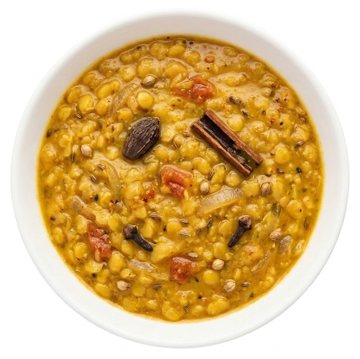
- Same: Both are simmered Indian dals seasoned with onion, garlic, ginger, cinnamon, clove, chilli powder and salt.
- Different: Tadka Dal uses toor dal, tomato, butter, cumin seed, coriander seed and leaf, dried red chilli and black cardamom, while this dish uses urad dal, vegetable oil, green cardamom and cream and is dry-style.

- Same: Both dishes feature urad dal cooked with onions, green chillies, ginger, garlic, and whole spices including cinnamon, cloves, and green cardamom.
- Different: Dal Nizami combines four lentil varieties into a loose, velvety stew rather than a dry dal, adds black cardamom, bay leaf, and turmeric, and finishes with tamarind and lemon juice instead of cream.
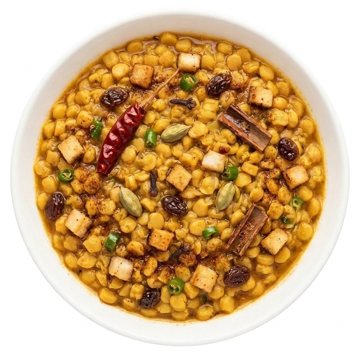
- Same: Chholar Dal shares lentils, cinnamon, green cardamom, clove, cumin, chilli powder, green chilli, and salt with this dish.
- Different: Chholar Dal uses chana dal, ghee, coconut, raisins, sugar, turmeric, bay leaf, dried red chilli, and cumin seed, and lacks this dish's urad dal, vegetable oil, onion, garlic, ginger, and cream.