
Goan Chilli Pork
Goan chilli pork is skewered pork tenderloin marinated in a roasted tomato, onion, chilli and tamarind paste, then grilled with pineapple and butter. It tastes hot, sour-sweet and smoky.
Chilli tamarind marinade masala
8 gSoaked then blended into the marinade (steps 4–5)Everything else

Method
- Heat the oven to 200°C/400°F. Put wooden skewers in water to soak.
- Mix 500 g pork tenderloin pieces with 116 g roughly crushed canned pineapple slice in a bowl; set aside.
- Put 75 g onion, 240 g tomato, 12 g garlic and 13.5 g vegetable oil on a baking tray; toss to coat and roast for 20–25 minutes, until the vegetables take colour and the garlic softens.
- Soak 6 g dried kashmiri chilli from the chilli tamarind marinade masala in warm water for 15 minutes.
- Put the roasted vegetables in a blender with the soaked chilli, the rest of the chilli tamarind marinade masala (1.3 g ground cumin and 0.9 g cayenne pepper), 6 g tamarind paste, 13.2 g soft brown sugar and salt; blend to a thick paste.
- Pour the paste into a bowl, add the pork and pineapple, and mix well; cover and leave for 1 hour or overnight.
- Heat the grill to its highest setting.
- Thread the marinated pork onto the soaked skewers, set on a wire rack and grill for 4–5 minutes on each side, brushing with butter and turning halfway.
- Serve with the lemon wedge.
Don't have something?


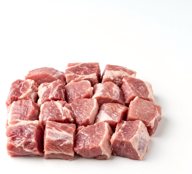 Pork
Use the same weight, slice evenly, and cook a little longer; may be fattier.
 Pork with fat
Use the same weight, trim excess fat, and cook slightly longer; more moist and richer.
 Chicken breast
Use the same weight and cook for less time; leaner and milder.


 Pineapple
Same weight, cut into rings or chunks and cooked 2–3 minutes longer; fresher and sharper, so a pinch of sugar helps.
 Canned pineapple
Same weight, drained; same fruit in chunks, so keep any syrup out unless the recipe wants the sweetness.


 Unsalted butter
Use 100% of the weight. If the original recipe relies on salted table butter, add a pinch of salt to balance.
 Ghee
Use 80% to 85% of the weight. Ghee is pure butterfat with moisture removed; it yields a deeper, nuttier flavour and handles high heat better.
 Vegetable oil
Use 80% of the weight for frying or tempering. The dish loses sweet dairy richness but remains glossy and light.


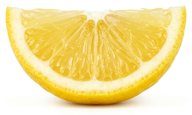
 Lime wedge
Use the same weight; it is sharper and more floral, so taste before adding extra salt or sugar.
 Lemon slice
Use the same weight; a slice gives less juice than a wedge, so squeeze it or add a little lemon juice.
 Lemon juice
Use about 10–15 g juice for one wedge (roughly 2 tsp), adding at the end; it lacks the peel's aromatic oil.






 Tomato purée
Use 40% to 50% of the fresh tomato weight mixed with a splash of water. Imparts a deeper red colour, thicker sauce, and slightly sweeter cooked flavour.
 Plain yogurt
Use 60% of the weight, whisked smooth and added on low heat. Provides rich body and sourness, though the gravy becomes paler and creamier.


 Garlic paste
Use equal weight. Fry gently in oil or ghee with the ginger; incorporates smoothly into curries without visible minced bits.
 Garlic powder
Use 15% to 20% of the weight (about 1 g for every 5 to 6 g fresh cloves). Whisk into sauces; gives a savoury, toasted garlic flavour without raw pungency.
 Shallot
Use 1.5 times the weight, very finely minced. Sauté until golden; provides savoury allium sweetness, though it lacks garlic's pungent sulphur bite.


 Peanut oil
Use 1:1 by weight. Handles high-heat frying identically and introduces a very subtle, pleasant nuttiness.
- Ghee
Use 1:1 by weight. Yields a much richer, authentic aroma and a glossy, heavier mouthfeel.
 Mustard oil
Use 1:1 by weight. Heat until smoking, then cool slightly before cooking to temper its intensely pungent, sharp mustard kick.



 Kashmiri chilli powder
Use 1 g powder for every 1.5 g whole dried chilli; whisk with a spoonful of warm water and stir into the masala to provide identical ruby colour and mild heat.
 Dried red chilli
Use 35% to 40% of the weight; discard seeds before tearing into oil to temper. Delivers a much fiercer heat, with significantly less red colouring.


 Cumin seed
Dry-roast briefly and grind finely; use equal weight (1:1). Imparts an even punchier, nuttier, toasty aroma than pre-ground cumin.
 Ground coriander
Use equal weight (1:1). Adds mild, lemony sweetness rather than cumin's smoky, earthy bite; curries will taste lighter and less savoury.
 Black cumin seeds
Grind finely; use 60% to 75% of the weight. Produces a darker, more complex, smoky-herbal flavour suited to rich gravies.


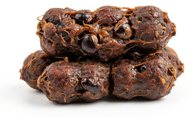 Tamarind pulp
Use 120–150% of the weight and strain; pulp is less concentrated, so simmer a little longer to thicken.
 Tamarind extract
Use 150–200% of the weight and reduce gently; extract is already diluted.
 Lime juice
Use 60–70% of the weight with a pinch of jaggery; sharper, so add near the end off the heat.


- Kashmiri chilli powder
If replacing cayenne, use about twice the weight for similar colour but much less heat. If replacing Kashmiri chilli powder, use the same weight.
 Chilli powder
Use 50–60% of the cayenne weight, or 60–70% of Kashmiri chilli powder weight, as it is hotter and less fruity. Add gradually and taste.
 Mild paprika
Use about twice the weight for colour. It gives almost no heat, so add a little green chilli or chilli powder if the dish needs pungency.


 Demerara sugar
Use the same weight; it is drier and slightly less molasses-rich, so taste and add a little more if needed.
 Jaggery
Use the same weight; it is stronger and more mineral, so dissolve it first and reduce any other sweetener.
 Granulated sugar
Use the same weight; it is less moist and less dark. Add 5 g cane molasses per 100 g if you have it.


Similar dishes

- Same: Wak Serjak shares pork, onion, tomato, chilli and vegetable oil with this dish, and both are salted.
- Different: Wak Serjak is a stewed curry with ginger paste and green chilli, while this dish is skewered and grilled with tamarind, pineapple, butter, dried Kashmiri chilli, cumin, cayenne and brown sugar.

- Same: Sorpatel and this dish both use pork, onion, garlic, dried Kashmiri chilli and salt, and both are hot pork dishes.
- Different: Sorpatel adds liver, vinegar, olive oil and whole spices such as turmeric, cinnamon, cumin seed, peppercorn, clove and cardamom, and it is slow-simmered as a curry; this dish uses pork tenderloin with tomato, tamarind, pineapple, butter and vegetable oil and is grilled on skewers.

- Same: Annanas ka Sherbet shares canned pineapple and a sour-sweet balance with this dish, using citrus juice and sugar where this dish uses tamarind and brown sugar.
- Different: Annanas ka Sherbet is an uncooked chilled drink of lemon juice, orange juice, sugar, soda water, and ginger ale, while this dish is grilled pork tenderloin with onion, tomato, garlic, Kashmiri chilli, cumin, tamarind, butter, and oil.

- Same: Wookhan shares pork, onion, chilli and salt with this dish.
- Different: Wookhan is a simmered stew of pork, onion, green chilli and ginger paste, while this dish is grilled pork tenderloin with tomato, garlic, dried Kashmiri chilli, tamarind, pineapple, butter and brown sugar; Wookhan lacks tomato, tamarind, pineapple, butter, sugar, dried spices, added fat and a souring agent.