Indian cooking
Indian cooking / Dishes / Wak Serjak
Wak Serjak (Pork Curry)

Wak Serjak

Pork Curry
Non-vegetarian●●●Origin Tribal North East IndiaPrep 20 minutesCook 40 minutes

A rustic pork curry stewed with tomatoes, chillies, and ginger. The meat becomes succulent as it simmers in a light, savoury broth lifted by fresh aromatics.

Ginger paste masala

31 gFried with the aromatics (step 1)
Measure out and hold ready for the pan.

Everything else

01
9 g2 teaspoons
oil/fat
02
Green chilli · Hari Mirchde-seeded and chopped
18 g3 chillies
vegetable
03
300 g2 onions
vegetable
04
360 g3 tomatoes
vegetable
05
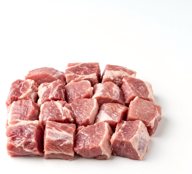
Pork · Suar ka Goshtcut into medium-sized pieces
1000 g
meat
06
to taste
salt

Method

  1. Warm 9 g vegetable oil in a deep, heavy saucepan or wok over medium heat. Tip in the ginger paste masala along with 18 g green chilli, 300 g onion, and 360 g tomato, then cook for around 5 minutes until the mixture turns a rich golden-brown.
  2. Tumble in 1000 g pork and stir-fry steadily until the released juices cook off completely.
  3. Season with salt to taste and pour in 625 ml water. Cover the pan with a lid and leave to simmer gently for roughly 30 minutes, removing from the heat once the pork is thoroughly tender.

Don't have something?

Vegetable oil
  • Peanut oil

    Use 1:1 by weight. Handles high-heat frying identically and introduces a very subtle, pleasant nuttiness.

  • Ghee

    Use 1:1 by weight. Yields a much richer, authentic aroma and a glossy, heavier mouthfeel.

  • Mustard oil

    Use 1:1 by weight. Heat until smoking, then cool slightly before cooking to temper its intensely pungent, sharp mustard kick.

Ginger paste
  • Fresh ginger

    Use equal weight; peel and grate very finely on a microplane or pound to a fine paste in a mortar.

  • Ginger

    Use equal weight; mince finely and crush with the flat of a knife before frying.

  • Ground ginger

    Use 20% of the weight; add directly with the dry spice powders, though it yields an earthier, less pungent profile.

Green chilli
  • Chilli powder

    Use 10 to 15% of the weight (about 1/4 teaspoon per chilli); imparts dry pungent heat and reddens the dish without the grassy crunch.

  • Dried red chilli

    Use 1 dried pod per fresh green chilli; snap in half and temper in hot oil for a deeper, toastier heat.

Onion
  • Shallot

    Use equal weight, finely sliced. Shallots soften and brown faster, giving a slightly sweeter and more delicate base to curries.

  • Cabbage

    Use 80% of the weight, finely shredded and browned slowly with a pinch of asafoetida. Replicates the bulk and natural sweetness in gravies without allium.

Tomato
  • Tomato purée

    Use 40% to 50% of the fresh tomato weight mixed with a splash of water. Imparts a deeper red colour, thicker sauce, and slightly sweeter cooked flavour.


  • Plain yogurt

    Use 60% of the weight, whisked smooth and added on low heat. Provides rich body and sourness, though the gravy becomes paler and creamier.

Pork
  • Lamb shoulder

    Use equal weight, diced similarly. Cook using the same slow braising method; lends a richer, slightly gamier flavour and retains moisture well.

  • Chicken

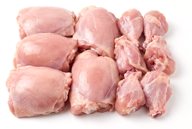
    Use equal weight of bone-in thighs. Cut into pieces and reduce simmering time by about half (cook for 25-30 minutes) to keep the meat succulent.

Similar dishes

Wookhan
Pork Stew
Wookhan tastes cleaner and naturally sweeter from the extra onions, lacking the acidic tang of tomatoes and the strong ginger bite of this dish.
  • Same: Like this dish, Wookhan simmers pork in a simple broth with onions, green chillies, ginger paste, and salt.
  • Different: Wookhan completely omits the vegetable oil and tomatoes, relying on more onions and chillies but far less ginger paste with no added cooking fat.
Doi Nei
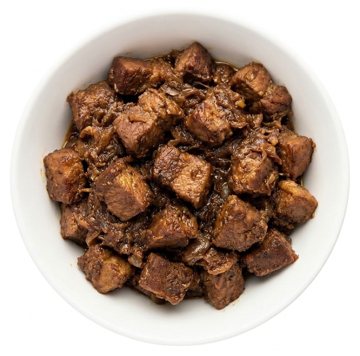
Pork in Dark Sauce
Doi Nei has a more deeply savoury, earthy flavour that lacks the bright, tangy acidity of this tomato-based dish.
  • Same: Doi Nei uses the exact same base of pork simmered with onions, ginger paste, green chillies, and vegetable oil.
  • Different: Doi Nei omits the tomatoes used in this dish, reducing into a thick, dark sauce rather than simmering into a lighter, brothy curry.
Oma Eoni
Fried Pork
Oma Eoni tastes richer and more heavily browned with a distinct garlic base, lacking the tartness and sharp chilli heat of this brothy curry.
  • Same: Oma Eoni also features a kilogram of pork cooked with ginger paste, onion, salt, and vegetable oil.
  • Different: Oma Eoni adds garlic paste and uses three times as much oil to fry the pork, completely omitting this dish's fresh tomatoes and green chillies.
Oma Bedoi Saonai
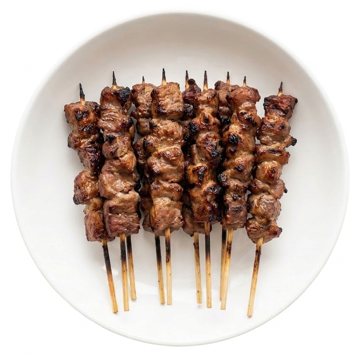
Barbecued Pork
Oma Bedoi Saonai tastes simply of charred, smoky pork, without the spicy, aromatic, and tangy heat of the curry broth in this dish.
  • Same: Both Oma Bedoi Saonai and this dish rely on pork seasoned with salt as the primary ingredient.
  • Different: Oma Bedoi Saonai is skewered and roasted dry over coals, lacking the tomatoes, onions, ginger paste, green chillies, vegetable oil, and simmering liquid used in this dish.