
Wookhan
A comforting, light pork stew gently simmered with onions, fresh chillies, and ginger. It yields tender meat in a savoury, lightly spiced broth.
Ginger seasoning
5 gAdded to the stew with the aromatics (step 2)Everything else

Method
- Put 1000 g pork into a large, heavy-based pan along with 625 g water and bring to a boil. Lower the heat, cover the pan, and simmer gently for 30 minutes.
- Stir in 450 g onion, 30 g green chilli, the ginger seasoning, and salt to taste. Continue simmering for 15 minutes, stirring frequently, until the meat is tender.
Don't have something?
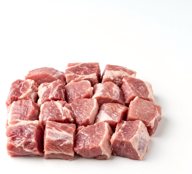
 Lamb shoulder
Use equal weight, diced similarly. Cook using the same slow braising method; lends a richer, slightly gamier flavour and retains moisture well.
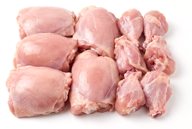 Chicken
Use equal weight of bone-in thighs. Cut into pieces and reduce simmering time by about half (cook for 25-30 minutes) to keep the meat succulent.


 Chilli powder
Use 10 to 15% of the weight (about 1/4 teaspoon per chilli); imparts dry pungent heat and reddens the dish without the grassy crunch.
 Dried red chilli
Use 1 dried pod per fresh green chilli; snap in half and temper in hot oil for a deeper, toastier heat.






 Fresh ginger
Use equal weight; peel and grate very finely on a microplane or pound to a fine paste in a mortar.
 Ginger
Use equal weight; mince finely and crush with the flat of a knife before frying.
 Ground ginger
Use 20% of the weight; add directly with the dry spice powders, though it yields an earthier, less pungent profile.


Similar dishes

- Same: Wak Serjak also simmers pork with onions, green chillies, and ginger paste in a light, savoury broth.
- Different: Wak Serjak adds tomatoes and vegetable oil, featuring six times as much ginger paste but fewer chillies and onions than this dish.

- Same: Like this dish, Doi Nei simmers pork with onions, ginger paste, and green chillies.
- Different: Doi Nei adds vegetable oil and six times as much ginger paste with fewer onions, producing a thick curry rather than an oil-free stew.
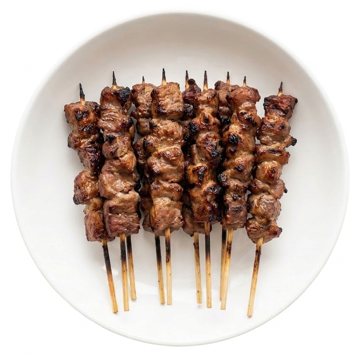
- Same: Oma Bedoi Saonai shares the same primary ingredient, using pork seasoned with salt.
- Different: Instead of being simmered into a stew with onions, green chillies, and ginger paste, Oma Bedoi Saonai is skewered and roasted over coals without any aromatics.
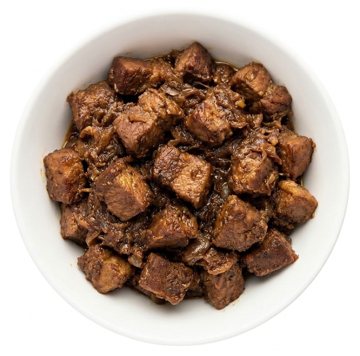
- Same: Oma Eoni also cooks pork with onion, ginger paste, and salt.
- Different: Oma Eoni is fried in vegetable oil and adds garlic paste, but it omits the fresh green chillies and the brothy simmering method of this dish.