Indian cooking
Indian cooking / Dishes / Dahi ki Karhi
Dahi ki Karhi (Yoghurt & Gram (Chickpea) Flour Curry)

Dahi ki Karhi

Yoghurt & Gram (Chickpea) Flour Curry
Vegetarian●●●Origin AwadhPrep 1¼ hours, plus soaking and standing timeCook 15 minutes

A tangy, comforting North Indian curry made with seasoned yoghurt and chickpea flour, simmered until velvety and studded with soft, golden gram-flour dumplings finished with a fragrant chilli-cumin tadka.

Karhi spices

12 gBlended into the sauce base (step 1)
Keep together to blend with the yoghurt mixture.

Bhajia spice

1.3 gStirred into the dumpling batter (step 2)
01
1.3 g½ teaspoon
spice
Add directly to the dry batter ingredients.

Tempering spices

5 gFried in hot oil for the garnish (step 5)
02
1.1 g½ teaspoon
spice
Keep ready to add directly to the sizzling oil.

Everything else

02
12 g2 tablespoons
flour
03
Onion · Pyazthinly sliced
300 g2 onions
vegetable
04
3 g12 leaves
herb
05
36 g6 chillies
vegetable
06
18 g6 cloves
aromatic
07
to taste
salt
09
18 g3 tablespoons
flour
10
~0.3 gpinch
salt
11
~0.3 gpinch
other
12
Vegetable oil · Telfor deep-frying
to taste
oil/fat
13
9 g2 teaspoons
oil/fat
14
3 g1 clove
aromatic

Method

  1. Place 500 g yoghurt, 2 tbsp gram flour, the karhi spices, 300 g thinly sliced onion, 3 g curry leaf, 36 g green chilli, 18 g garlic, and salt to taste into a blender or food processor. Puree until completely smooth, transfer to a deep, heavy pan, and cook over medium heat for about 45 minutes, stirring regularly to stop the base from catching, until the sauce is glossy and thick.
  2. While the sauce cooks, mix 3 tbsp gram flour, 0.3 g salt, 0.3 g baking powder, and the bhajia spice in a bowl. Pour in just enough water to form a firm paste and leave to stand for 20 minutes.
  3. Shape the rested batter into small balls. Pour vegetable oil for deep-frying into a kadhai or deep pan and heat to 180°C (350°F), or until a bread cube browns in 30 seconds.
  4. Deep-fry the dumplings in batches for several minutes until crisp and golden brown. Transfer with a slotted spoon into a bowl of lukewarm water to soak for 5 minutes, gently squeeze out the moisture, and drop them into the simmering karhi.
  5. Warm 9 g vegetable oil in a small frying pan over medium heat. Add 3 g crushed garlic and the tempering spices, frying briefly until the dried chillies take on a slightly darker shade. Tip the hot spiced oil immediately over the karhi, cover the pan to seal in the aromas, and serve hot with plain boiled rice.

Don't have something?

Soured natural yoghurt
  • Sour yoghurt

    Use the same weight; stir well. Same tang and consistency.

  • Full-fat natural yoghurt

    Use the same weight; add 10 ml lemon juice per 200 g and rest 10 minutes. Stir before use.

  • Yogurt

    Use the same weight; whisk with lemon juice to taste. Add off the heat to prevent splitting.

Gram flour
  • Chickpea flour

    Use the same weight. Gram flour is chickpea flour, so this is an exact swap with the same nutty flavour and binding.

  • Plain flour

    Use about 75–80% of the weight, e.g. 80 g for 100 g gram flour, and add a pinch of turmeric for colour. Less nutty and less crisp; good only for thickening or simple batters.

  • Rice flour

    Use the same weight for crispness, but it does not bind like gram flour; mix with a little plain flour if making pakora batter.

Ginger paste
  • Fresh ginger

    Use equal weight; peel and grate very finely on a microplane or pound to a fine paste in a mortar.

  • Ginger

    Use equal weight; mince finely and crush with the flat of a knife before frying.

  • Ground ginger

    Use 20% of the weight; add directly with the dry spice powders, though it yields an earthier, less pungent profile.

Garlic paste
  • Garlic

    Use equal weight; crush or finely grate to a smooth pulp to replicate the same fresh, pungent moisture in your base gravy.

  • Garlic powder

    Use 20 to 25% of the weight; mix with a teaspoon of water before adding to oil so it does not burn, noting it lacks the fresh bite.

Ground cumin
  • Cumin seed

    Dry-roast briefly and grind finely; use equal weight (1:1). Imparts an even punchier, nuttier, toasty aroma than pre-ground cumin.

  • Ground coriander

    Use equal weight (1:1). Adds mild, lemony sweetness rather than cumin's smoky, earthy bite; curries will taste lighter and less savoury.

  • Black cumin seeds

    Grind finely; use 60% to 75% of the weight. Produces a darker, more complex, smoky-herbal flavour suited to rich gravies.

Onion
  • Shallot

    Use equal weight, finely sliced. Shallots soften and brown faster, giving a slightly sweeter and more delicate base to curries.

  • Cabbage

    Use 80% of the weight, finely shredded and browned slowly with a pinch of asafoetida. Replicates the bulk and natural sweetness in gravies without allium.

Curry leaf
  • Bay leaf

    Fry 1 bay leaf for every 5 curry leaves in hot oil; imparts a warm, woodsy background note, but misses the citrus-sulphury punch entirely.

  • Lime juice

    Add a small squeeze (about 5 ml per sprig of curry leaves) right before serving; provides sharp citrus top notes without the toasty, herbal aroma.

Green chilli
  • Chilli powder

    Use 10 to 15% of the weight (about 1/4 teaspoon per chilli); imparts dry pungent heat and reddens the dish without the grassy crunch.

  • Dried red chilli

    Use 1 dried pod per fresh green chilli; snap in half and temper in hot oil for a deeper, toastier heat.

Ground turmeric
  • Ground ginger

    Use 50% of the weight. Mimics turmeric's warm, earthy, rhizome background, but provides none of the golden-yellow colour.

  • Saffron

    Steep a tiny pinch (0.1 g per 2 g turmeric) in 2 tbsp warm water; use to match the rich golden hue. Contributes an aristocratic, honeyed floral flavour rather than earthy bitterness.

Garlic
  • Garlic paste

    Use equal weight. Fry gently in oil or ghee with the ginger; incorporates smoothly into curries without visible minced bits.

  • Garlic powder

    Use 15% to 20% of the weight (about 1 g for every 5 to 6 g fresh cloves). Whisk into sauces; gives a savoury, toasted garlic flavour without raw pungency.

  • Shallot

    Use 1.5 times the weight, very finely minced. Sauté until golden; provides savoury allium sweetness, though it lacks garlic's pungent sulphur bite.

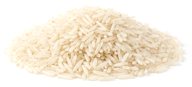
Plain boiled rice
  • Steamed rice

    Use equal weight. Fluff with a fork before serving; absorbs curries and dals in identical fashion.

  • Basmati rice

    Cook 40% of the required boiled weight in raw basmati rice using 2 parts water to 1 part rice. Gives longer, more aromatic, separate grains.

Chilli powder
  • Red chilli powder

    Use 100% of the weight. Provides direct, sharp heat and red colour in equal measure.

  • Kashmiri chilli powder

    Use 150% to 200% of the weight if matching colour, but add a pinch of black pepper or hot chilli if you need equivalent fiery heat.

  • Cayenne pepper

    Use 75% to 100% of the weight. Offers a sharp, clean heat with slightly less earthy depth and less crimson colour.

Baking powder
  • Baking soda

    Use 25% of the baking powder's weight (e.g. 1 g for 4 g) and add 2 g cream of tartar or 1 tsp lime juice per 100 g flour. Mix quickly and bake at once.


  • Bicarbonate of soda

    Same as baking soda: use 25% of the weight with an acid such as cream of tartar, lemon juice or yogurt. Expect a slightly soapy taste if overused.

  • Self-raising flour

    Replace the plain flour plus baking powder with the same weight of self-raising flour; omit added baking powder and reduce salt slightly.

Vegetable oil
  • Peanut oil

    Use 1:1 by weight. Handles high-heat frying identically and introduces a very subtle, pleasant nuttiness.

  • Ghee

    Use 1:1 by weight. Yields a much richer, authentic aroma and a glossy, heavier mouthfeel.

  • Mustard oil

    Use 1:1 by weight. Heat until smoking, then cool slightly before cooking to temper its intensely pungent, sharp mustard kick.

Dried red chilli
  • Dried kashmiri chilli

    Use equal weight whole. Fry in hot oil or ghee as tempered spice; gives a richer red colour with slightly milder heat.

  • Red chilli powder

    Use 50% to 70% of the weight. Stir into the oil with ground spices; distributes heat evenly throughout the dish without whole chilli skins.

Cumin seed
  • Ground cumin

    Use 70% of the weight; add with ground spices or sauce bases rather than hot oil tempering, where it scorches quickly and turns bitter.

  • Black cumin seeds

    Use equal weight for oil tempering. Delivers an earthy profile with an additional musky, smoky, and slightly bitter edge.

  • Fennel seed

    Use 60% of the weight for tempering; offers comparable warm aroma, but leans sweet and liquorice-like rather than savoury and earthy.

Similar dishes

Rajasthani Karhi
Gram (Chickpea) Flour & Yoghurt Curry
It has a lighter, smoother consistency with a sharp asafoetida and cumin profile, lacking the sweet onion flavour and ginger heat of this dish.
  • Same: Rajasthani Karhi shares a tangy yoghurt and chickpea flour base with this dish, flavoured with cumin seeds, garlic, turmeric, and chillies.
  • Different: Unlike this dish, it omits the gram-flour dumplings, onions, ginger, and curry leaves, incorporating asafoetida and using peanut oil and ghee instead of plain vegetable oil.
Khandavi
Gram (Chickpea) Flour Rolls
Khandavi tastes milder and nuttier with earthy notes from sesame and asafoetida, lacking the pungent garlic-onion warmth of this dish.
  • Same: Both dishes are built on a cooked base of chickpea flour and yoghurt seasoned with turmeric, ginger, cumin, dried red chillies, and curry leaves.
  • Different: Instead of a simmered curry containing onions, garlic, and fried dumplings, Khandavi is cooked into a paste, rolled into tight coils, and tempered with sesame seeds, fenugreek seeds, and asafoetida.
Chingur ka Salan
Lamb with Tender Tamarind Leaves & Flowers
Chingur ka Salan tastes deeply savoury, meaty, and sharp with herbal acidity, whereas this dish is milder, creamy, and dairy-tangy.
  • Same: Both curries are cooked in vegetable oil with onions, ginger-garlic paste, green chillies, turmeric, cumin, and curry leaves, finishing with a dried red chilli and garlic tempering to serve over boiled rice.
  • Different: Chingur ka Salan braises lamb with tart tamarind leaves and flowers using mustard seeds in the tempering, whereas this dish simmers a vegetarian yoghurt and gram-flour gravy with dumplings using cumin seeds.
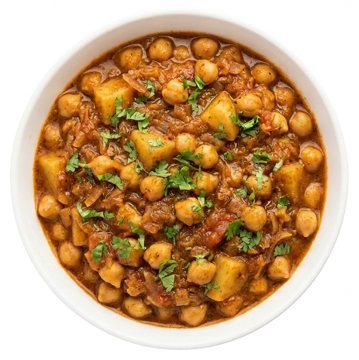
Channa Masala
Chickpea (Garbanzo Bean) Curry
Channa Masala is earthy and mildly acidic from tomatoes, lacking the sharp, sour tang of this dish's simmered yoghurt.
  • Same: Channa Masala shares a base of onions, ginger, garlic, turmeric, ground cumin, and chilli powder with this dish.
  • Different: Channa Masala stews whole chickpeas and potatoes in a tomato-onion sauce with ground coriander, omitting this dish's yoghurt-and-gram-flour base, fried dumplings, curry leaves, and tadka.