
Khandavi
Soft, savoury rolled bites made from cooked chickpea flour and yogurt, finished with a warm, fragrant tempering of toasted seeds, dried chillies, and curry leaves.
Spices for the batter
6 gWhisked into the yogurt and gram flour (step 2)Tempering spices
8 gFried in hot oil to garnish the rolls (step 5)Everything else

Method
- Lightly grease a flat baking tray with vegetable oil and set it aside.
- Whisk 100 g gram flour, 250 g yogurt, 1 teaspoon green chilli paste, 250 ml water, the spices for the batter, and salt to taste together in a bowl until completely smooth.
- Pour the batter into a wok or kadhai over medium heat. Cook while stirring continuously for about 10 minutes until thick and glossy, then immediately spread it into a thin, even layer over the greased tray and leave to set.
- Carefully roll the set layer from one edge across to the other, then slice into 3 cm (1¼ in) rolls and arrange them on a serving dish.
- Warm 13.5 g vegetable oil in a small frying pan over medium heat. Add 0.8 g curry leaf and the tempering spices, frying for 1 to 2 minutes until aromatic, then drizzle the hot mixture evenly over the rolls.
Don't have something?


 Peanut oil
Use 1:1 by weight. Handles high-heat frying identically and introduces a very subtle, pleasant nuttiness.
 Ghee
Use 1:1 by weight. Yields a much richer, authentic aroma and a glossy, heavier mouthfeel.
 Mustard oil
Use 1:1 by weight. Heat until smoking, then cool slightly before cooking to temper its intensely pungent, sharp mustard kick.


 Chickpea flour
Use the same weight. Gram flour is chickpea flour, so this is an exact swap with the same nutty flavour and binding.
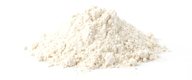 Plain flour
Use about 75–80% of the weight, e.g. 80 g for 100 g gram flour, and add a pinch of turmeric for colour. Less nutty and less crisp; good only for thickening or simple batters.
 Rice flour
Use the same weight for crispness, but it does not bind like gram flour; mix with a little plain flour if making pakora batter.


 Plain yogurt
Use 100% of the weight. Whisk thoroughly until smooth before stirring into warm gravies to prevent curdling.
 Single cream
Use 90% of the weight combined with 10% lemon juice to replicate the lactic tang and rich body in marinades and curries.


 Fresh ginger
Use equal weight; peel and grate very finely on a microplane or pound to a fine paste in a mortar.
 Ginger
Use equal weight; mince finely and crush with the flat of a knife before frying.
 Ground ginger
Use 20% of the weight; add directly with the dry spice powders, though it yields an earthier, less pungent profile.


- Ground ginger
Use 50% of the weight. Mimics turmeric's warm, earthy, rhizome background, but provides none of the golden-yellow colour.
 Saffron
Steep a tiny pinch (0.1 g per 2 g turmeric) in 2 tbsp warm water; use to match the rich golden hue. Contributes an aristocratic, honeyed floral flavour rather than earthy bitterness.

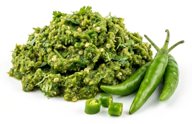
 Green chilli
Use the same weight, deseed if wanted, and grind with 1 tbsp water; fresher and brighter.
 Chilli paste
Use the same weight; may be red and hotter, so adjust.
 Red chilli paste
Use 75–80% of the weight; changes colour and heat.


 Red chilli powder
Use 100% of the weight. Provides direct, sharp heat and red colour in equal measure.
 Kashmiri chilli powder
Use 150% to 200% of the weight if matching colour, but add a pinch of black pepper or hot chilli if you need equivalent fiery heat.
 Cayenne pepper
Use 75% to 100% of the weight. Offers a sharp, clean heat with slightly less earthy depth and less crimson colour.


 Mustard seed
Use 50% of the weight, crush or grind. Sharper heat and less maple-bitter; fry briefly in oil before adding.
 Caraway seeds
Use the same weight, crush lightly. Similar bitter-seed note but more aniseed; reduce other sweet spices slightly.
 Ajwain seeds
Use 25–30% of the weight, crush. Much stronger thyme-like flavour; do not overdo.


 Ground cumin
Use 70% of the weight; add with ground spices or sauce bases rather than hot oil tempering, where it scorches quickly and turns bitter.
 Black cumin seeds
Use equal weight for oil tempering. Delivers an earthy profile with an additional musky, smoky, and slightly bitter edge.
 Fennel seed
Use 60% of the weight for tempering; offers comparable warm aroma, but leans sweet and liquorice-like rather than savoury and earthy.


 Garlic powder
Use double the weight. Stir into hot oil just before adding wet ingredients; mimics the allium savoury background without the sulphurous edge.
 Garlic paste
Use 2 g for every 0.5 g of asafoetida. Sauté in oil until the raw smell clears; adds moisture and sweet allium depth.


 Dried kashmiri chilli
Use equal weight whole. Fry in hot oil or ghee as tempered spice; gives a richer red colour with slightly milder heat.
- Red chilli powder
Use 50% to 70% of the weight. Stir into the oil with ground spices; distributes heat evenly throughout the dish without whole chilli skins.


 White sesame seed
Use the same weight. Toast lightly before use; white seeds are milder and give a cleaner look.
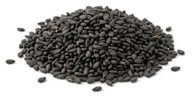 Black sesame seed
Use the same weight. They are stronger and more bitter; toast briefly and use slightly less if the dish is delicate.
 Peanut
Use the same weight, crushed or chopped. It gives crunch but not the same nutty sesame aroma.


 Bay leaf
Fry 1 bay leaf for every 5 curry leaves in hot oil; imparts a warm, woodsy background note, but misses the citrus-sulphury punch entirely.
 Lime juice
Add a small squeeze (about 5 ml per sprig of curry leaves) right before serving; provides sharp citrus top notes without the toasty, herbal aroma.

Similar dishes

- Same: Dahi ki Karhi shares the core base of chickpea flour and yogurt seasoned with turmeric, ginger, chilli, curry leaves, and cumin tempered in vegetable oil.
- Different: Instead of being spread and rolled with fenugreek seeds, sesame seeds, and asafoetida, Dahi ki Karhi is simmered into a soupy gravy filled with dumplings and adds large amounts of onions, garlic, and fresh green chillies.

- Same: Rajasthani Karhi shares a base of chickpea flour and yogurt seasoned with turmeric, chilli powder, cumin seeds, and asafoetida.
- Different: Instead of being cooked into a thick paste and rolled with sesame seeds, fenugreek, and curry leaves, Rajasthani Karhi is simmered into a pourable curry made with garlic paste, fresh green chillies, and peanut oil or ghee.

- Same: Kokam ni Karhi also combines yogurt and chickpea flour with a tempering of cumin seeds, fenugreek seeds, dried red chillies, asafoetida, ginger, and curry leaves.
- Different: Rather than cooking the flour and yogurt into a spreadable, rolled paste garnished with sesame seeds, Kokam ni Karhi is a simmered soup that incorporates masoor dal, jaggery, and mustard seeds.

- Same: Karhi Pakori also combines a base of yogurt and chickpea flour seasoned with ground turmeric, chilli powder, cumin seeds, dried red chillies, and asafoetida.
- Different: Instead of cooking batter into rolled sheets, Karhi Pakori simmers deep-fried moong dal dumplings in a yogurt gravy and uses mustard seeds and ghee rather than fenugreek seeds, sesame seeds, ginger, and curry leaves.