
Cured Trout in Kasundi Mustard
A cured sea trout fillet, scented with gin and a chilli-spiked salt-and-sugar cure, then coated with kasundi mustard. It is served cold with pickled kohlrabi and a smooth green pea purée, giving a sharp, mustardy, fresh taste.
Marinade chilli
200 gStirred into the dry cure (step 1)Everything else

Method
- In a non-metal dish, mix 500 g caster sugar, 500 g sea salt, 12 g lemon zest, 5 g lime zest and 200 g kashmiri chilli powder (the marinade chilli) until evenly combined.
- Rub 420–560 g sea trout fillet with spiced gin to taste. Lay the fillets flesh side down in the cure.
- Cover the dish and chill for 8 hours.
- Turn the fillets over, cover again and chill for another 8 hours.
- Rinse the fillets under cold running water until the cure is gone. Dry them with kitchen paper; the flesh should feel firm and have lost most of its moisture.
- Spread 200 g kasundi mustard over the flesh side of the fillets. Cover and chill until needed.
- Put 300 g kohlrabi, peeled and diced, into 398 g pickling liquor. Leave at room temperature for 1–2 hours, then chill until needed.
- For the pea purée, process 450 g petit pois, 12 g garlic, fresh ginger to taste, 18 g green chilli and 91.3 g mustard oil until completely smooth.
- Add caster sugar and sea salt to the pea purée to taste. Cover and chill.
- To serve, cut the trout into thin slices. Plate with the pickled kohlrabi and a little pea purée.
Don't have something?


 Salmon fillet
Use the same weight; add 1–2 minutes, as salmon is usually thicker.
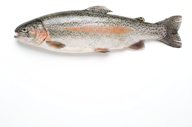 Trout
Use the same weight; cook 1–2 minutes less if the fillet is thin.
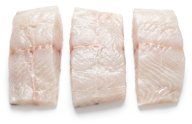 Firm white fish fillet
Use the same weight; reduce cooking by 2–3 minutes and handle gently.

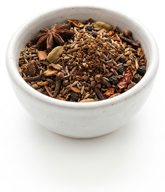
 Gin
Use the same weight; for 100 g gin, steep a pinch of ground clove and ground cinnamon for 10 minutes, then strain.
 Premium gin
Use the same weight; it is smoother, so add the same spice pinch and taste before adding more.
 Vodka
Use the same weight; it is neutral, so steep with ground clove and ground cinnamon to mimic the spiced note.


 Wholegrain mustard
Use the same weight, mashed smooth with a little lime juice; keeps mustard tang but lacks Bengali fermentation.
 English mustard
Use one-third of the weight, mixed with lime juice or water; much hotter, so taste as you go.
 Mustard powder
Use half the weight, mixed to a paste with water and a squeeze of lime juice; add late so the heat does not fade.


 Granulated sugar
Use the same weight. It is slightly coarser, so stir a little longer to dissolve; in baking, grind briefly if a fine texture matters.
 Demerara sugar
Use the same weight, but dissolve it earlier as it is coarser. It adds a light caramel note and a little colour.
 Ground jaggery or soft brown sugar
Use the same weight; crush or grate jaggery first. It darkens the dish and adds molasses flavour, so reduce other liquid slightly.


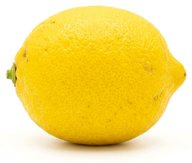

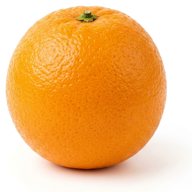


- Lemon zest
Use the same weight; it is less sharp and more floral, so add a little extra lime juice if the dish needs tang.
 Kaffir lime leaf
Use 1 leaf for 1 tsp lime zest in curries; bruise and simmer whole, then remove. It gives aroma but not acidity.


 Dried kashmiri chilli
Grind deseeded dried pods to an equal weight of powder; gives identical vivid red colour and gentle warmth.
 Red chilli powder
Use 25% of the weight mixed with sweet paprika for colour; straight red chilli powder is substantially hotter and will make the dish fiery.
 Chilli powder
Use one-third of the weight; the sauce will be less intensely red and notably sharper in heat.


 Turnip
Use the same weight, peeled and cubed; similar texture, slightly peppery.
 Potato
Use the same weight, peeled and cubed; milder and softer, so add 5 minutes later if you want it to hold shape.
 White radish
Use the same weight, peeled and cubed; cooks faster and is more watery, so add later and reduce the gravy.


 White vinegar
Use 70% of the weight, make up the rest with water, and add a little granulated sugar if the liquor was sweet. Sharper and thinner.
 White wine vinegar
Use at 70% of the weight with water. Milder and fruitier than pickling liquor.
 Malt vinegar
Use at 60% of the weight with water; stronger and maltier, so reduce any other vinegar in the dish.




 Garlic paste
Use equal weight. Fry gently in oil or ghee with the ginger; incorporates smoothly into curries without visible minced bits.
 Garlic powder
Use 15% to 20% of the weight (about 1 g for every 5 to 6 g fresh cloves). Whisk into sauces; gives a savoury, toasted garlic flavour without raw pungency.
 Shallot
Use 1.5 times the weight, very finely minced. Sauté until golden; provides savoury allium sweetness, though it lacks garlic's pungent sulphur bite.


 Ginger paste
Use equal weight. Sauté in hot fat until the raw allium smell disappears; slightly wetter, but provides identical warmth and pungency.
 Ground ginger
Use 20% to 25% of the weight (1 g for every 4 to 5 g fresh). Stir into the gravy; adds peppery heat and warmth, though it misses the crisp, zesty kick of raw root.


- Chilli powder
Use 10 to 15% of the weight (about 1/4 teaspoon per chilli); imparts dry pungent heat and reddens the dish without the grassy crunch.
 Dried red chilli
Use 1 dried pod per fresh green chilli; snap in half and temper in hot oil for a deeper, toastier heat.


 Peanut oil
Use equal weight. It handles high-heat cooking well, but lacks the signature pungent, nasal heat of mustard oil.
 Vegetable oil
Use equal weight. Neutral in flavour, so your curry will lack the characteristic Bengali or North Indian pungent punch.


Similar dishes

- Same: Amritsari Haddock in Mustard Oil shares with this dish mustard oil, Kashmiri chilli, green chilli, petit pois pea purée and a pickling-liquor garnish.
- Different: Unlike this dish's salt-sugar-gin cure and kasundi mustard finish, Amritsari Haddock in Mustard Oil is cornstarch-coated and deep-fried in vegetable oil with turmeric, caraway, onion seed, fennel and ginger garlic paste.

- Same: Torched Mackerel with Gooseberry Chutney shares kasundi mustard, mustard oil, Kashmiri chilli, ginger, green chilli, pickling liquor, sugar and sea salt with this dish.
- Different: It torches mackerel instead of curing sea trout, and it adds gooseberry, cucumber, flaked almonds, chaat masala, onion seed, bay leaf, turmeric and vegetable oil while lacking kohlrabi, petit pois, gin, lemon zest and lime zest.

- Same: Punjabi Machhli shares fish, mustard oil, garlic, ginger, green chilli, Kashmiri chilli powder and salt with this dish.
- Different: Punjabi Machhli is a simmered onion-tomato curry with cumin, turmeric, kasoori methi and vegetable oil, while this dish is a gin-salt-sugar-cured trout with kasundi mustard, pickled kohlrabi and pea purée, so it lacks this dish’s curing liquor, citrus zest, kohlrabi and peas and uses cod or monkfish instead of sea trout.

- Same: Aa and this dish are both fish dishes that use green chilli and garlic.
- Different: Aa is a light brothy stew poached with onions, garlic, green chilli and fermented fish, while this dish is cured sea trout finished with kasundi mustard and served with pickled kohlrabi and pea purée, using curing salt, sugar, gin, Kashmiri chilli powder, mustard oil and citrus zests.