
Aloo Gobi Methi ka Tuk
A dry vegetable curry that balances earthy potatoes and cauliflower florets with the pleasant bitterness of fresh fenugreek leaves. Tart amchoor, yellow chilli, and a tempering of mustard seeds and curry leaves give it a punchy, savoury finish.
Ginger-garlic paste
26 gFried after the curry leaves in step 3Chilli powder
2.7 gStirred in with the cauliflower in step 4Finishing spices
4 gSprinkled over the dish at the end of step 5Everything else

Method
- Boil 300 g potato in a large pot of salted water for roughly 10 minutes until partially tender but still firm, then drain thoroughly.
- Drop 1 head of cauliflower florets into another pan of boiling water to blanch for 2 to 3 minutes, then drain and set aside.
- Heat 81 g vegetable oil in a wide pan over medium heat. Tip in 1 teaspoon mustard seeds and fry for about 1 minute until popping, then add 5–6.2 g curry leaf for a few seconds. Stir in the ginger-garlic paste and fry for 1 to 2 minutes until all moisture boils off.
- Add 3.33 cup chopped fresh fenugreek leaves and sauté for 15 seconds. Tip in the blanched cauliflower, the chilli powder, and salt to taste. Turn the heat down to low, put on the lid, and cook for 5 minutes.
- Remove the lid, increase the heat to medium-high, and fold in the boiled potato quarters. Sauté briskly for 2 to 3 minutes, then scatter over the finishing spices, 0.5 teaspoon garam masala, and 0.3 g crumbled dried fenugreek leaves. Stir well, taste for salt, and take off the heat.
Don't have something?

 Eggplant
Use equal weight. Cut into large chunks; cooks down much faster (10-12 minutes) and softens into the sauce rather than staying starchy and firm.
 Paneer
Use 80% of the weight. Cube and add in the last 5-10 minutes of cooking; adds rich dairy protein instead of starchy bulk.
 Dried chickpea
Use 45% dry weight. Soak overnight and boil until fully soft before stirring into the sauce to simmer for 10 minutes.


 Broccoli
Use the same weight; cut into similar florets and cook 2–3 minutes less. It is greener and slightly stronger in flavour.
 Cauliflower floret
Use the same weight and break into even florets. This is essentially the same vegetable, so cooking and flavour change little.
 Cabbage
Use the same weight; cut into wedges and cook 3–5 minutes less. It becomes much softer and sweeter, so the dish loses cauliflower's bite.


 Peanut oil
Use 1:1 by weight. Handles high-heat frying identically and introduces a very subtle, pleasant nuttiness.
 Ghee
Use 1:1 by weight. Yields a much richer, authentic aroma and a glossy, heavier mouthfeel.
 Mustard oil
Use 1:1 by weight. Heat until smoking, then cool slightly before cooking to temper its intensely pungent, sharp mustard kick.


 Black mustard seed
Use the same weight. The seeds are smaller and hotter; fry in hot oil until they pop, about 20–30 seconds, and reduce the heat if they darken too fast. The dish will be a little sharper.
 Yellow mustard seeds
Use the same weight. They are milder and larger; fry a few seconds longer until they pop. The finished dish will have less pungency.
 Ground mustard seed
Use 70% of the weight of whole seed, added with the other ground spices rather than fried whole. You lose the popping texture and the heat comes through more evenly.


 Bay leaf
Fry 1 bay leaf for every 5 curry leaves in hot oil; imparts a warm, woodsy background note, but misses the citrus-sulphury punch entirely.
 Lime juice
Add a small squeeze (about 5 ml per sprig of curry leaves) right before serving; provides sharp citrus top notes without the toasty, herbal aroma.


 Fresh ginger
Use equal weight; peel and grate very finely on a microplane or pound to a fine paste in a mortar.
 Ginger
Use equal weight; mince finely and crush with the flat of a knife before frying.
 Ground ginger
Use 20% of the weight; add directly with the dry spice powders, though it yields an earthier, less pungent profile.


 Garlic
Use equal weight; crush or finely grate to a smooth pulp to replicate the same fresh, pungent moisture in your base gravy.
 Garlic powder
Use 20 to 25% of the weight; mix with a teaspoon of water before adding to oil so it does not burn, noting it lacks the fresh bite.


 Dried fenugreek leaf
Use 10% of the fresh weight, rub between the palms or soak in warm water for 5 minutes. More hay-like and less fresh-bitter; add near the end.
 Spinach
Use the same weight, chop and wilt. Gives leafy body but none of methi's bitter aroma; adjust salt and add a pinch of sugar.
 Fenugreek shoots
Use the same weight, chop finely and discard any tough stems. Milder and more tender; cook 2–3 minutes less.


 Green chilli
Use 100% of the weight, finely minced or ground into a smooth paste. Provides sharp heat while preserving the light colour of delicate kormas.
 Kashmiri chilli powder
Use 50% to 75% of the weight. It brings mild heat but will turn pale or white sauces noticeably orange-red.
 Red chilli powder
Use 50% of the weight. Gives strong, sharp heat, but will stain cream-based or yellow Mughlai gravies red.


 Lemon juice
Use 15 g (1 tbsp) for every 5 g of amchoor. Stir in at the very end off the heat; adds liquid and fresh citrus aroma rather than dry fruity tang.
 Tamarind extract
Use 75% of the weight, dissolved in a splash of warm water. Simmer briefly; darkens the gravy and provides a deeper, caramelised sourness.


 Cumin seed
Dry-roast briefly and grind finely; use equal weight (1:1). Imparts an even punchier, nuttier, toasty aroma than pre-ground cumin.
 Ground coriander
Use equal weight (1:1). Adds mild, lemony sweetness rather than cumin's smoky, earthy bite; curries will taste lighter and less savoury.
 Black cumin seeds
Grind finely; use 60% to 75% of the weight. Produces a darker, more complex, smoky-herbal flavour suited to rich gravies.


 Black peppercorn
Crush whole peppercorns roughly in a mortar or under a heavy skillet; use equal weight. Yields the exact same fiery heat and crunchy bite.
 Ground black pepper
Use 70% of the weight. It disperses heat much more aggressively through sauces and can darken the dish, lacking the crunchy specks of coarse pepper.


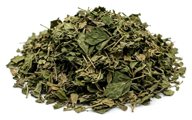 Dried fenugreek leaves
Use the same weight, crush between your palms before adding. This is effectively the same ingredient.
 Fresh fenugreek leaves
Use about 4 times the weight, add later in cooking. Milder and leafier; less of the dried maple-hay aroma.
 Ground dried fenugreek leaf
Use the same weight and stir in early. Same flavour but no visible leaf specks.


Similar dishes

- Same: Flower Batata Bhaji also features potatoes cooked in vegetable oil with ginger and garlic pastes.
- Different: It adds onions, fresh green chillies, cumin seeds, turmeric, and garam masala, but omits this dish's curry leaves, black pepper, yellow chilli powder, and amchoor.

- Same: Malabar Mezhukupuratti shares with this dish a dry cauliflower-and-potato cooking style using vegetable oil, mustard seeds, curry leaves, ginger, and salt.
- Different: It uses ginger root instead of ginger paste and has no garlic paste, fenugreek leaves, amchoor, yellow chilli powder, cumin, or dried fenugreek leaf, while adding water and fresh coriander and using less oil and more mustard seed.

- Same: Aloo Methi ki Sabzi also pairs potatoes with bitter fresh fenugreek greens in a dry vegetable preparation.
- Different: Aloo Methi ki Sabzi omits the cauliflower, ginger-garlic paste, curry leaves, and amchoor, using a simpler tempering of cumin seeds, green chillies, and ground turmeric.

- Same: Chatpati Gobi is also a dry vegetable curry featuring potatoes and cauliflower cooked in vegetable oil and seasoned with amchoor, black pepper, and ginger.
- Different: Chatpati Gobi adds tomatoes, chickpea flour, cumin seeds, fenugreek seeds, fresh green chillies, and ground coriander, but it lacks the garlic paste, curry leaves, yellow chilli powder, and fresh fenugreek leaves used in this dish.