
Yerra Varuval
Succulent prawns coated in an aromatic black pepper, coriander, and curry leaf marinade, quickly stir-fried and served with a cool, zesty herb chatni.
Marinade spices
16 gStirred into the marinade bowl (step 1)Everything else

Method
- In a shallow dish, combine 3.8 g ginger, 0.5 tbsp garlic, 1 tbsp lemon juice, 0.5 tsp ground turmeric, 1 g curry leaf, 27–40.5 g vegetable oil, salt to taste, and the marinade spices.
- Add 1000 g prawns to the dish, coat them evenly in the mixture, and let stand covered for 5 minutes.
- Place 100 g mint, 100 g coriander leaf, 6 g green chilli, 15.3 g lemon juice, 61.2 g yogurt, and salt to taste into a food processor and blitz until completely smooth.
- Heat vegetable oil for frying in a heavy pan set over medium heat, tip in the marinated prawns, and stir-fry until cooked through.
- Take the pan off the heat, stir in the juice of 1 lemon, and serve immediately alongside the mint and coriander chatni.
Don't have something?
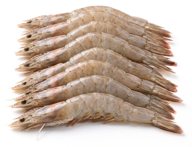
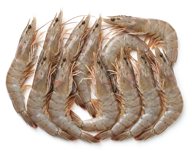 King prawn
Use the same weight; cut large ones into 2 cm pieces. Sweeter and firmer; cook 1–2 minutes longer.
 Firm white fish fillet
Use the same weight, cut into chunks. Add 3–4 minutes later; milder and less sweet, and it flakes easily.
 Small prawn
Use the same weight; they cook faster, so add 2 minutes later. More numerous and slightly sweeter.


 Peanut oil
Use 1:1 by weight. Handles high-heat frying identically and introduces a very subtle, pleasant nuttiness.
 Ghee
Use 1:1 by weight. Yields a much richer, authentic aroma and a glossy, heavier mouthfeel.
 Mustard oil
Use 1:1 by weight. Heat until smoking, then cool slightly before cooking to temper its intensely pungent, sharp mustard kick.


 Lime
Use the same weight or juice amount; sharper, so taste before adding all the juice.
 Lemon juice
Use about 45–50 ml for 1 lemon; add off the heat to keep the freshness.
 Dried mango powder
Use 1 tsp for the juice of 1 lemon; add early. Sourness is flatter and less fresh.


 Fresh ginger
Use equal weight; scrape off the skin and grate or finely julienne according to the recipe.
 Ginger paste
Use equal weight; stir straight into the sizzling aromatics, taking care as the extra moisture may spit.
 Ground ginger
Use 15 to 20% of the weight; add alongside ground spices, noting it imparts warm, dry heat rather than zesty freshness.


 Garlic paste
Use the same weight; about 1 clove weighs 3 g, so 3 g paste per clove.
 Crushed garlic
Use the same weight; crush just before adding so the flavour stays fresh.
 Garlic powder
Use one-third of the weight, about 1 g powder for 3 g fresh clove; add a little water if the recipe needs moisture.


 Tamarind pulp
Use 120–150% of the weight and strain; pulp is less concentrated, so simmer a little longer to thicken.
 Tamarind extract
Use 150–200% of the weight and reduce gently; extract is already diluted.
 Lime juice
Use 60–70% of the weight with a pinch of jaggery; sharper, so add near the end off the heat.


- Ground ginger
Use 50% of the weight. Mimics turmeric's warm, earthy, rhizome background, but provides none of the golden-yellow colour.
 Saffron
Steep a tiny pinch (0.1 g per 2 g turmeric) in 2 tbsp warm water; use to match the rich golden hue. Contributes an aristocratic, honeyed floral flavour rather than earthy bitterness.


 Red chilli powder
Use 100% of the weight. Provides direct, sharp heat and red colour in equal measure.
 Kashmiri chilli powder
Use 150% to 200% of the weight if matching colour, but add a pinch of black pepper or hot chilli if you need equivalent fiery heat.
 Cayenne pepper
Use 75% to 100% of the weight. Offers a sharp, clean heat with slightly less earthy depth and less crimson colour.


 Ground coriander
Use 75% of the weight; stir in along with wet masala or tomato purée rather than frying in hot oil, as the fine powder burns instantly.
 Cumin seed
Use 50% of the weight for tempering in hot oil. Lacks the floral, sweet citrus flavour of coriander, introducing warm, pungent earthiness instead.
 Fennel seed
Use 50% of the weight in tempering; provides pleasant aromatic sweetness, though noticeably aniseedy rather than citrusy.


 Coarsely ground black pepper
Use 75% of the weight. Add midway through simmering; spreads heat evenly through the dish instead of delivering isolated bursts.
 Ground black pepper
Use 50% of the weight. Stir in near the end of cooking; significantly darkens light gravies and provides an immediate, sharp bite.


 Bay leaf
Fry 1 bay leaf for every 5 curry leaves in hot oil; imparts a warm, woodsy background note, but misses the citrus-sulphury punch entirely.
- Lime juice
Add a small squeeze (about 5 ml per sprig of curry leaves) right before serving; provides sharp citrus top notes without the toasty, herbal aroma.


 Dried mint
Use about 30% of the weight of fresh mint. Rub between your palms to crush before stirring in; the flavour will be more intensely herbal and less bright.
 Coriander leaf
Use equal weight, finely chopped. Adds fresh citrusy green notes, but lacks the cooling menthol lift.


- Chilli powder
Use 10 to 15% of the weight (about 1/4 teaspoon per chilli); imparts dry pungent heat and reddens the dish without the grassy crunch.
 Dried red chilli
Use 1 dried pod per fresh green chilli; snap in half and temper in hot oil for a deeper, toastier heat.


- Lime juice
Use equal volume or weight; delivers almost identical sharp acidity with a faintly more aromatic, bitter-edged profile.
 Dried mango powder
Use 25% of the weight (about 1 g amchoor for 4 g juice); provides clean fruity tartness without thinning the sauce.
 White vinegar
Use 75% of the volume; gives direct sourness without any citrus floral fragrance.


 Plain yogurt
Use 100% of the weight. Whisk thoroughly until smooth before stirring into warm gravies to prevent curdling.
 Single cream
Use 90% of the weight combined with 10% lemon juice to replicate the lactic tang and rich body in marinades and curries.

Similar dishes

- Same: Both dishes use prawns seasoned with coriander, ginger, green chillies, and curry leaves.
- Different: Konju Masala is a saucy curry built on tomatoes, onions, garlic, turmeric, and coconut milk, whereas this dish is a dry stir-fry spiced with black peppercorns and served with a mint-yogurt chutney.

- Same: Both dishes cook prawns in vegetable oil with ginger, curry leaves, green chillies, and coriander.
- Different: Chemeen Kari is a sauce-based curry simmered with fresh coconut, turmeric, and shallots, whereas this dish is a dry stir-fry seasoned heavily with black pepper and served with a yogurt-mint chatni.

- Same: Chemeen Ada also features prawns seasoned with fresh ginger, curry leaves, and green chillies cooked in vegetable oil.
- Different: Instead of stir-frying whole prawns alongside a mint-coriander yogurt chatni, it shapes prawns into cutlets pan-fried in far more oil without the black peppercorns, coriander seeds, or lemon juice.

- Same: Jhinga Dopyaza shares prawns, vegetable oil, turmeric, chilli powder, ginger, garlic, curry leaves and salt with this dish.
- Different: Jhinga Dopyaza uses 750 g onion, 36 g green chilli, ginger paste and garlic paste and is a dry onion-forward curry, while this dish uses lemon, tamarind paste, black peppercorns, coriander seeds and a mint-coriander-yogurt chatni and is marinated then quickly stir-fried.