
Shufta
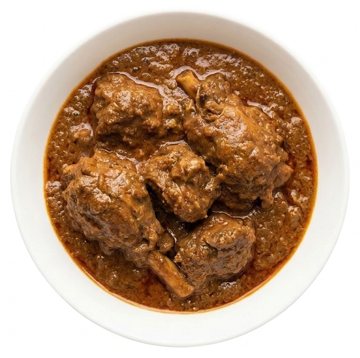
A rich North Indian curry of coarsely ground lamb and peas cooked in ghee, finished with khoya, saffron, and aromatic floral water.
Spices for the meat
5 gAdded to the ghee alongside the lamb (step 1)Finishing spices
7 gStirred in once the sauce has reduced (step 3)Everything else

Method
- Warm 300 g ghee in a large casserole or deep pan over medium heat. Add the spices for the meat, 1000 g lamb, roughly three-quarters of the 254 g plain yogurt, 24 g ginger, and salt to taste. Fry for 8 to 10 minutes, splashing in a little water as needed to stop it catching, until the lamb turns a deep reddish brown.
- Stir in 4.2 g granulated sugar and 500 g peas (shelled if fresh). Pour in 300 ml water, bring to a gentle simmer, and cook uncovered for about 20 minutes until only a small amount of liquid remains.
- Fold in 250 g coriander leaf, 1 teaspoon kewra water or rosewater, and the finishing spices.
- In a small bowl, slacken 100 g khoya with the reserved whisked plain yogurt until smooth. Tip this into the pan and cook for roughly 5 minutes, stirring frequently, until lightly browned.
- Reduce the heat to low and cook for another 5 minutes until the gravy thickens to your liking, then remove from the heat.
Don't have something?


 Unsalted butter
Use 120% of the weight; melt gently over low heat to avoid burning the milk solids, which will yield a softer, creamier richness rather than a nutty aroma.
 Vegetable oil
Use 85% of the weight; holds high cooking temperatures without smoking, but the final dish will lack traditional dairy depth.
 Mustard oil
Use equal weight; heat to smoking point and cool slightly before cooking, bearing in mind it introduces an assertive, pungent edge.


 Garlic powder
Use double the weight. Stir into hot oil just before adding wet ingredients; mimics the allium savoury background without the sulphurous edge.
 Garlic paste
Use 2 g for every 0.5 g of asafoetida. Sauté in oil until the raw smell clears; adds moisture and sweet allium depth.


 Ground cloves
Use 1 g ground for 4 g whole (or 1 small pinch per 2 to 3 whole cloves). Add with spice powders; disperses intense warmth quickly, so use with restraint.
 Allspice berries
Use 100% of the weight whole in tempering. Imparts a warm, clove-like aromatic profile combined with hints of nutmeg and cinnamon.
 Black cardamom pod
Use 1 pod for 3 to 4 cloves in whole tempering. Shares a camphor-like warmth and medicinal depth, though it introduces a distinct smoky undertone.




 Yogurt
Use equal weight, whisked thoroughly until smooth before adding to hot dishes to prevent curdling.
 Coconut milk
Use equal weight with 1 teaspoon lemon juice mixed in. Provides rich creaminess in curries, but adds a noticeable coconut flavour.
 Single cream
Use 80% of the weight plus a squeeze of lemon juice for acidity. Enriches sauces nicely, though it is richer and less tangy.


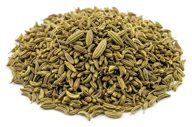
 Fennel seed
Grind whole seeds finely; use equal weight (1:1). Provides a fresh, sweet, aniseed aroma that is slightly stronger than pre-ground powder.
 Aniseed
Grind finely; use 75% to 80% of the weight. Has a sharper, sweeter liquorice taste with less of fennel's herbal earthiness.
 Star anise
Grind whole star anise finely; use 30% to 40% of the weight. Very potent aniseed flavour that easily overpowers a dish if not used sparingly.


 Red chilli powder
Use 100% of the weight. Provides direct, sharp heat and red colour in equal measure.
 Kashmiri chilli powder
Use 150% to 200% of the weight if matching colour, but add a pinch of black pepper or hot chilli if you need equivalent fiery heat.
 Cayenne pepper
Use 75% to 100% of the weight. Offers a sharp, clean heat with slightly less earthy depth and less crimson colour.


 Fresh ginger
Use equal weight; scrape off the skin and grate or finely julienne according to the recipe.
 Ginger paste
Use equal weight; stir straight into the sizzling aromatics, taking care as the extra moisture may spit.
 Ground ginger
Use 15 to 20% of the weight; add alongside ground spices, noting it imparts warm, dry heat rather than zesty freshness.


 Jaggery
Use equal weight; grate or shave finely so it dissolves rapidly, giving a warm, caramel-like sweetness and slightly darker sauce.

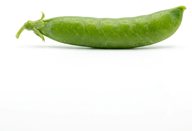


 Rosewater
Use equal volume; replaces the grassy, pandan-like kewra aroma with a sweet floral note.
 Green cardamom pod
Crush seeds from 2 pods per teaspoon of floral water and add to the simmering gravy; provides sweet aromatic lift without floral perfume.


 Ground turmeric
Use 15% of the saffron's weight. Replicates the bright yellow colour well, but lacks the floral, earthy depth; use sparingly to avoid bitterness.
- Screwpine water or rosewater
Use a few drops combined with a tiny pinch of ground turmeric to mimic both the regal floral aroma and the golden hue.


 Ground cumin
Use 50% of the weight mixed with equal parts ground coriander and a pinch of ground cinnamon, ground cloves, and ground green cardamom. Sprinkle near the end for a warming finish.
 Lentil stew spice mix
Use 75% of the weight. Simmer briefly in the gravy; imparts roasted warmth and complexity, though it adds a slight tang and earthy lentil undertone.



 Coriander seeds
Dry-roast lightly in a pan and grind to a fine powder; use equal weight (1:1). Offers a noticeably fresher, brighter citrus note.
- Ground cumin
Use 50% to 75% of the weight. Lacks the floral, citrusy profile of coriander and turns the gravy heavier, earthier, and darker.
- Garam masala
Use 50% of the weight and stir in near the end of cooking. Adds warmth and depth since it contains ground coriander, but introduces stronger spices like clove and cinnamon.


 Milk powder
For 100 g khoya use 40 g milk powder whisked with 60 g full cream milk; simmer to a thick paste. Stir often.
 Condensed milk
Use 70% of the weight for khoya and cut sugar by about 30%. Add 10 g milk powder to thicken if needed.
 Full cream milk
For 100 g khoya use about 500 g full cream milk; reduce slowly, stirring, until thick. Takes much longer.


Similar dishes
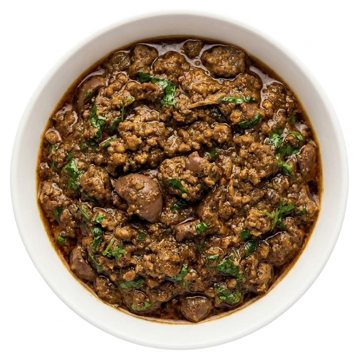
- Same: Gurde ka Keema shares this dish's base of ghee and yogurt, along with ginger, clove, asafoetida, fennel seed, chilli powder, coriander, garam masala, and floral kewra or rosewater.
- Different: Gurde ka Keema uses lamb kidneys instead of minced lamb and omits the khoya, saffron, and sugar found in this dish.
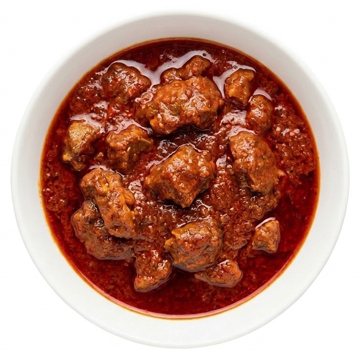
- Same: Both curries braise a kilogram of lamb in yogurt and ghee flavored with fresh ginger, cloves, asafoetida, chilli powder, saffron, and garam masala.
- Different: Roghanjosh uses whole cuts of braised lamb seasoned with cinnamon and ground ginger, omitting the khoya, fennel, ground coriander, coriander leaf, and floral water used in this dish.
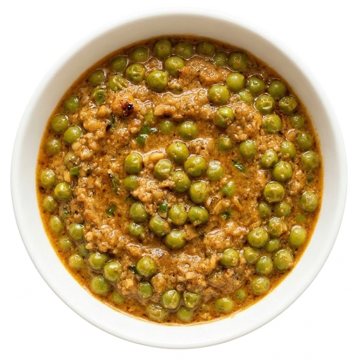
- Same: Khoya Matar shares peas, ghee, asafoetida, clove, chilli powder, ground coriander, garam masala, ginger, and salt with this dish.
- Different: Khoya Matar uses 500 g khoya as a main ingredient and has cumin seed, green chilli, ground cumin, and ground ginger, while this dish uses 1000 g lamb, 254 g yogurt, only 100 g khoya, and adds saffron, kewra or rosewater, fennel, sugar, and coriander leaf.
- Same: Dum Raan shares a base of lamb enriched with ghee, plain yogurt, and khoya, seasoned with ginger, asafoetida, garam masala, and fennel seed.
- Different: Instead of ground lamb simmered with saffron, clove, coriander, and floral water, Dum Raan slow-braises a whole leg of lamb with onion, garlic, and papaya.