Indian cooking
Indian cooking / Dishes / Roghanjosh
Roghanjosh (Scarlet Rich Lamb Curry)

Roghanjosh

Scarlet Rich Lamb Curry
Non-vegetarian●●●Origin Jammu and KashmirPrep 30 minutesCook 1¼ hours

A deeply aromatic Kashmiri-style lamb curry braised gently in spiced yoghurt until meltingly tender and coated in a glossy, reduced sauce.

Saffron infusion

0 gSteeped in hot liquid (step 1)
01
to taste
spice
Leave the strands whole to infuse in the warm liquid.

Stewing spices

6 gAdded to the pan with the lamb and yoghurt (step 2)
01
0.3 g4 cloves
spice
02
1.3 g1 piece
spice
03
~0.3 gpinch
spice
04
1.8 g1 teaspoon
spice
05
2.6 g1 teaspoon
spice
Leave the whole spices intact and keep together with the ground spices.

Finishing spice

5 gStirred into the curry near the end (step 5)
Keep as a ground spice blend to add during the final simmer.

Everything else

01
24 g1 piece
aromatic
02
5 g1 teaspoon
liquid
04
Lamb · Goshtcut into pieces
1000 g
meat
05
240 g1 cup
dairy
06
4.2 g1 teaspoon
sweetener
07
to taste
salt

Method

  1. Purée 24 g ginger to a smooth paste in a small blender and set aside. In a small cup, combine the saffron infusion with 5 g hot water or milk and let it steep.
  2. Warm 216 g ghee or vegetable oil in a large, heavy pot over low heat. Add 1000 g lamb, 240 g plain yogurt, the prepared ginger paste, the stewing spices, and salt to taste. Cover and simmer for 10 minutes, stirring regularly to avoid scorching, until the moisture evaporates and a reddish residue begins to coat the pan base.
  3. Pour in roughly 2 tablespoons of water, cover, and continue simmering over low heat, regularly scraping up the browned sediment and turning the meat. Repeat this moisten-and-scrape cycle over the course of about 30 minutes until the lamb turns a rich reddish-brown.
  4. Add 4.2 g granulated sugar and 250 ml water. Cover the pot and simmer gently for 30 to 45 minutes, until the meat is completely tender.
  5. Uncover and stir in the finishing spice along with the saffron infusion and its steeping liquid. Cover and cook for another 10 minutes, then increase the heat to medium and cook until the gravy reduces to a rich, clingy glaze.

Don't have something?

Ginger
  • Fresh ginger

    Use equal weight; scrape off the skin and grate or finely julienne according to the recipe.

  • Ginger paste

    Use equal weight; stir straight into the sizzling aromatics, taking care as the extra moisture may spit.

  • Ground ginger

    Use 15 to 20% of the weight; add alongside ground spices, noting it imparts warm, dry heat rather than zesty freshness.

Saffron
  • Ground turmeric

    Use 15% of the saffron's weight. Replicates the bright yellow colour well, but lacks the floral, earthy depth; use sparingly to avoid bitterness.

  • Screwpine water or rosewater

    Use a few drops combined with a tiny pinch of ground turmeric to mimic both the regal floral aroma and the golden hue.

Hot water or milk
  • Whole milk

    Warm gently before stirring in; use equal weight (1:1). Yields a richer, creamier gravy with a slight sweetness compared to plain hot water.

  • Coconut milk

    Heat gently; use equal weight (1:1). Lends thick richness and a pronounced nutty coconut sweetness ideal for South Indian curries.

  • Vegetable stock

    Bring to a simmer before pouring in; use equal weight (1:1). Boosts savoury depth without adding dairy fat or altering the texture.

Ghee or vegetable oil
  • Peanut oil

    Use equal weight; handles high tempering heat well and keeps flavours neutral.

  • Butter

    Use equal weight; cook over gentle heat to prevent browning the milk solids too quickly.

Clove
  • Ground cloves

    Use 1 g ground for 4 g whole (or 1 small pinch per 2 to 3 whole cloves). Add with spice powders; disperses intense warmth quickly, so use with restraint.

  • Allspice berries

    Use 100% of the weight whole in tempering. Imparts a warm, clove-like aromatic profile combined with hints of nutmeg and cinnamon.

  • Black cardamom pod

    Use 1 pod for 3 to 4 cloves in whole tempering. Shares a camphor-like warmth and medicinal depth, though it introduces a distinct smoky undertone.

Cassia bark
  • Ceylon cinnamon

    True cinnamon: thinner, papery quills, milder and sweeter. Use about 1.5 times the weight, and taste.

  • Ground cinnamon (cassia)

    Use about a third of the weight (0.5 g ground for a 2.5 cm piece), stirred in with the ground spices rather than fried whole, since the powder burns quickly.

  • Cassia buds

    Use 60-70% of the weight; stronger and more peppery, so taste before adding more.

Asafoetida
  • Garlic powder

    Use double the weight. Stir into hot oil just before adding wet ingredients; mimics the allium savoury background without the sulphurous edge.

  • Garlic paste

    Use 2 g for every 0.5 g of asafoetida. Sauté in oil until the raw smell clears; adds moisture and sweet allium depth.

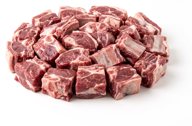
Lamb
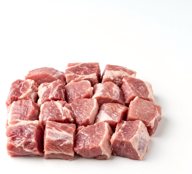
  • Pork

    Use equal weight of pork shoulder or collar; cut into identical cubes and braise, reducing cooking time by 15-20 minutes.

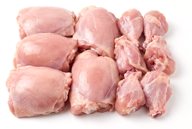
  • Chicken

    Use equal weight of bone-in chicken thighs; curry simmers in roughly 25 minutes instead of over an hour, with a much lighter sauce.

Plain yogurt
  • Yogurt

    Use equal weight, whisked thoroughly until smooth before adding to hot dishes to prevent curdling.

  • Coconut milk

    Use equal weight with 1 teaspoon lemon juice mixed in. Provides rich creaminess in curries, but adds a noticeable coconut flavour.

  • Single cream

    Use 80% of the weight plus a squeeze of lemon juice for acidity. Enriches sauces nicely, though it is richer and less tangy.

Ground ginger
  • Ginger paste

    Use 300% to 400% of the weight (e.g. 3–4 g paste for 1 g ground). Fry in oil alongside onions; provides a juicy, pungent kick rather than a dry, baking-spice heat.

  • Fresh ginger

    Peel and grate finely; use 300% to 400% of the weight. Add to the hot oil early; delivers bright, peppery warmth rather than the mellow, woody heat of dry ginger.

  • Ground mace

    Use 50% of the weight. Imparts a warm, spicy undertone in rich gravies, but lacks ginger's fiery, sharp zest.

Chilli powder
  • Red chilli powder

    Use 100% of the weight. Provides direct, sharp heat and red colour in equal measure.

  • Kashmiri chilli powder

    Use 150% to 200% of the weight if matching colour, but add a pinch of black pepper or hot chilli if you need equivalent fiery heat.

  • Cayenne pepper

    Use 75% to 100% of the weight. Offers a sharp, clean heat with slightly less earthy depth and less crimson colour.

Granulated sugar
  • Jaggery

    Use equal weight; grate or shave finely so it dissolves rapidly, giving a warm, caramel-like sweetness and slightly darker sauce.

Garam masala
  • Ground cumin

    Use 50% of the weight mixed with equal parts ground coriander and a pinch of ground cinnamon, ground cloves, and ground green cardamom. Sprinkle near the end for a warming finish.


  • Lentil stew spice mix

    Use 75% of the weight. Simmer briefly in the gravy; imparts roasted warmth and complexity, though it adds a slight tang and earthy lentil undertone.

Similar dishes

Shufta
Minced (Ground) Lamb & Peas
Shufta tastes richer, milkier, and distinctly floral with herbal fennel notes, whereas this dish has a sharper, warmer flavour from cinnamon and dried ginger.
  • Same: Shufta shares the same base of lamb, plain yogurt, ginger, saffron, cloves, asafoetida, chilli powder, and garam masala.
  • Different: Unlike this dish, Shufta uses coarsely minced lamb cooked solely in ghee, omits cinnamon and ground ginger, and adds khoya, fennel seed, ground coriander, fresh coriander leaves, and floral water.
Kashmiri Qorma
Saffron-flavoured Lamb
Kashmiri Qorma tastes sweeter and fruitier from raisins and sugar, with a tamarind sourness, while this dish tastes tangier from yogurt and hotter from chilli powder.
  • Same: Kashmiri Qorma shares with this dish a slow-braised lamb base flavoured with saffron, ghee, clove, cinnamon, and sugar.
  • Different: Kashmiri Qorma uses tamarind extract, raisins, green cardamom, and garlic water instead of this dish's yogurt, ginger, asafoetida, chilli powder, and garam masala, and it has less lamb and less ghee.
Safed Saalan
Lamb in Milk Sauce (II)
It tastes milder, creamier, and noticeably less tangy than this dish without the sharp bite of ginger and asafoetida.
  • Same: Safed Saalan also braises lamb in ghee using cinnamon, clove, chilli powder, garam masala, and sugar.
  • Different: It builds its sauce with milk instead of yogurt and omits the fresh ginger, ground ginger, asafoetida, and saffron found in this dish.
Kofta Curry
Meatball Curry
Kofta Curry has a milder, nuttier, and sweeter profile from the coconut and onions, whereas this dish has a more pungent, ginger-forward, and spiced savory heat.
  • Same: Kofta Curry also uses lamb cooked in ghee or vegetable oil with yogurt as a souring base, flavored with saffron, clove, cinnamon, and chilli powder.
  • Different: Instead of braising whole lamb pieces with asafoetida, garam masala, and heavy ginger, it features pan-fried meatballs in a sauce thickened with onions, garlic, dried coconut, and poppy seeds.