
Saboodane ki Khichari
A comforting Indian tapioca pearl stir-fry packed with tender potatoes, crunchy roasted peanuts, and grated coconut. It offers a gentle balance of earthy cumin, bright lemon, and subtle sweetness.
Seasoning spice
2.1 gStirred into the peanut mixture (step 2)Everything else


Method
- Place 300 g sago in a spacious bowl, sprinkle with 250 ml of water, and gently separate the pearls to break up any clumps.
- In a separate bowl, thoroughly combine 300 g peanuts, 12 g fresh coconut, 2.1 g granulated sugar, 10.2 g lemon juice, salt to taste, and the seasoning spice. Set aside.
- Warm 20.2 g ghee or vegetable oil in a heavy pan set over medium heat. Add 600 g potato and fry for 15 to 20 minutes, stirring regularly until softened throughout.
- Toss in 24–30 g green chilli and stir-fry for 2 to 3 minutes.
- Add the hydrated sago along with the seasoned peanut mixture and stir to distribute evenly. Cover tightly, lower the heat to minimum, and cook for roughly 5 minutes, lifting the lid occasionally to stir, removing from the heat as soon as the pearls turn translucent and tender.
- Fold in 3 g coriander leaf until evenly incorporated.
Don't have something?


 Short-grain rice
Use the same weight. Soak for 30 minutes and cook 5–10 minutes longer; texture will be softer and less chewy.
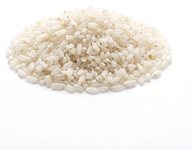 Coarsely broken rice
Use the same weight. Soak 20 minutes and cook until tender; it will not become as translucent as sago.
 Coarse semolina
Use 70% of the weight for upma-style dishes. Toast first and add 1.2 times the water; texture is grainy, not pearl-like.


 Roasted peanut
Use the same weight; adjust salt if they are already salted, and crush or grind as the recipe asks.
 Cashew nut
Use the same weight; they are richer and softer, so roast for a shorter time and reduce added fat.
 Almond
Use the same weight; blanch and peel for sauces, or chop for texture. They are firmer and less oily.



 Desiccated coconut
Use 50% to 60% of the weight, soaked in equal parts warm water for 15 minutes before grinding. Works well for chutneys, though texture is slightly finer and sweeter.
 Coconut milk
Use 1.2 times the weight in curries. Adds creamy richness and authentic flavour, but makes gravies smoother and eliminates the grated, chewy mouthfeel.


 Ground cumin
Use 70% of the weight; add with ground spices or sauce bases rather than hot oil tempering, where it scorches quickly and turns bitter.
 Black cumin seeds
Use equal weight for oil tempering. Delivers an earthy profile with an additional musky, smoky, and slightly bitter edge.
 Fennel seed
Use 60% of the weight for tempering; offers comparable warm aroma, but leans sweet and liquorice-like rather than savoury and earthy.


 Jaggery
Use equal weight; grate or shave finely so it dissolves rapidly, giving a warm, caramel-like sweetness and slightly darker sauce.


 Lime juice
Use equal volume or weight; delivers almost identical sharp acidity with a faintly more aromatic, bitter-edged profile.
 Dried mango powder
Use 25% of the weight (about 1 g amchoor for 4 g juice); provides clean fruity tartness without thinning the sauce.
 White vinegar
Use 75% of the volume; gives direct sourness without any citrus floral fragrance.


 Peanut oil
Use equal weight; handles high tempering heat well and keeps flavours neutral.
 Butter
Use equal weight; cook over gentle heat to prevent browning the milk solids too quickly.



 Eggplant
Use equal weight. Cut into large chunks; cooks down much faster (10-12 minutes) and softens into the sauce rather than staying starchy and firm.
 Paneer
Use 80% of the weight. Cube and add in the last 5-10 minutes of cooking; adds rich dairy protein instead of starchy bulk.
 Dried chickpea
Use 45% dry weight. Soak overnight and boil until fully soft before stirring into the sauce to simmer for 10 minutes.


 Chilli powder
Use 10 to 15% of the weight (about 1/4 teaspoon per chilli); imparts dry pungent heat and reddens the dish without the grassy crunch.
 Dried red chilli
Use 1 dried pod per fresh green chilli; snap in half and temper in hot oil for a deeper, toastier heat.


Similar dishes

- Same: Saboodana Khichari shares the same stir-fried base of tapioca pearls and potatoes cooked in ghee or vegetable oil with cumin seeds, green chillies, sugar, and tart lemon juice.
- Different: Saboodana Khichari leaves the coconut unmeasured rather than specifying a weighed amount of fresh coconut.

- Same: Saboodana Vada shares the core base of potatoes, tapioca pearls, green chillies, and peanuts cooked in oil.
- Different: Saboodana Vada is shaped into patties and deep-fried rather than stir-fried, omitting the cumin seeds, fresh coconut, lemon juice, sugar, and coriander leaf used here.

- Same: Both dishes rely on potatoes seasoned with cumin seeds, fresh green chillies, coriander leaf, and lemon juice.
- Different: Instead of being stir-fried with sago, coconut, and sugar, Aloo ke Kebab combines mashed potatoes with chickpea flour and chilli powder to be shallow-fried into patties using much more vegetable oil.

- Same: Aloo ke Gutake shares potato, cumin seed and coriander with this dish, and both are dry-style Indian dishes.
- Different: Aloo ke Gutake uses mustard oil, turmeric and dried red chilli, while this dish uses ghee or oil, sago, peanuts, fresh coconut, lemon juice, sugar and green chilli.