Indian cooking
Indian cooking / Dishes / Saboodana Vada
Saboodana Vada (Sago Patties)

Saboodana Vada

Sago Patties
Vegetarian●●●Origin CoastalPrep 40 minutes, plus soaking timeCook 20 minutesMakes 12

Crispy on the outside and tender within, these deep-fried patties combine soft tapioca pearls and mashed potatoes with crunchy roasted peanuts and fiery green chillies.

Ingredients

01
36 g3 tablespoons
grain
02
600 g2 potatoes
vegetable
04
24–30 g4–5 chillies
vegetable
05
Vegetable oil · Telfor deep-frying
to taste
oil/fat

Method

  1. Submerge the sago in ample water and leave it to soak for 1 hour, then drain thoroughly through a sieve.
  2. Cover 600 g potato (unpeeled) with water in a saucepan, bring to a boil, and cook for around 20 minutes until easily pierced with a knife. Drain, allow to cool, peel away the skins, and mash the flesh until smooth.
  3. Toast 150 g shelled peanut in a dry wok or skillet over medium heat for approximately 2 minutes until fragrant and browned, then crush coarsely using a mortar and pestle.
  4. Break up any lumps in the soaked sago with your fingers and splash with 250 ml water. Work in the mashed potatoes, 24–30 g green chilli, the crushed peanuts, and salt to taste to form a cohesive dough.
  5. Divide the mixture into 12 equal portions and flatten each into a neat disc, rubbing a few drops of vegetable oil onto your hands if the dough feels sticky.
  6. Pour vegetable oil for deep-frying into a deep, heavy pot and heat to 180°C (350°F). Fry the patties in batches for roughly 2 minutes until deep golden brown and crisp, then transfer with a slotted spoon onto paper towels to drain.

Don't have something?

Sago
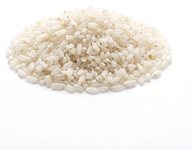
  • Short-grain rice

    Use the same weight. Soak for 30 minutes and cook 5–10 minutes longer; texture will be softer and less chewy.

  • Coarsely broken rice

    Use the same weight. Soak 20 minutes and cook until tender; it will not become as translucent as sago.

  • Coarse semolina

    Use 70% of the weight for upma-style dishes. Toast first and add 1.2 times the water; texture is grainy, not pearl-like.

Potato
  • Eggplant

    Use equal weight. Cut into large chunks; cooks down much faster (10-12 minutes) and softens into the sauce rather than staying starchy and firm.

  • Paneer

    Use 80% of the weight. Cube and add in the last 5-10 minutes of cooking; adds rich dairy protein instead of starchy bulk.

  • Dried chickpea

    Use 45% dry weight. Soak overnight and boil until fully soft before stirring into the sauce to simmer for 10 minutes.

Shelled peanut
  • Cashew nut

    Use equal weight. Toast or grind as called for; produces a milder, much creamier texture with less earthy roasted flavour.

  • Sesame seeds

    Use equal weight. Toast lightly before grinding; offers a comparable nutty oiliness, especially in spice pastes and gravies.

  • Almond

    Use equal weight. Lightly toast and coarsely chop or crush; matches the crunchy texture and mild nutty backbone.

Green chilli
  • Chilli powder

    Use 10 to 15% of the weight (about 1/4 teaspoon per chilli); imparts dry pungent heat and reddens the dish without the grassy crunch.

  • Dried red chilli

    Use 1 dried pod per fresh green chilli; snap in half and temper in hot oil for a deeper, toastier heat.

Vegetable oil
  • Peanut oil

    Use 1:1 by weight. Handles high-heat frying identically and introduces a very subtle, pleasant nuttiness.

  • Ghee

    Use 1:1 by weight. Yields a much richer, authentic aroma and a glossy, heavier mouthfeel.

  • Mustard oil

    Use 1:1 by weight. Heat until smoking, then cool slightly before cooking to temper its intensely pungent, sharp mustard kick.

Similar dishes

Saboodane ki Khichari
Sago Flavoured with Coconut & Coriander (Cilantro)
It tastes brighter, sweet, and tangy from the sugar, cumin, and lemon juice rather than rich and savory like this dish.
  • Same: Saboodane ki Khichari shares the core base of sago, potatoes, and green chillies with this dish.
  • Different: Rather than being shaped into patties and deep-fried, it is stir-fried in ghee or oil and adds cumin seeds, fresh coconut, coriander leaves, sugar, and lemon juice.
Saboodana Khichari
Sago Flavoured with Coconut & Coriander (Cilantro)
Saboodana Khichari is tangy, lightly sweet, and aromatic from the lemon juice, sugar, coconut, and cumin, rather than rich and purely savory like this dish.
  • Same: Saboodana Khichari shares the base of tapioca pearls, potatoes, roasted peanuts, and green chillies with this dish.
  • Different: Instead of being shaped into patties and deep-fried, Saboodana Khichari is sautéed with cumin seeds in a small amount of ghee or oil, adding grated coconut, lemon juice, sugar, and coriander leaf.
Saboodana Utthapam
Sago Pancakes with Chopped Greens
Saboodana Utthapam tastes tangy from yogurt and mildly spiced with herby coriander and curry leaf, while this dish tastes fiery from green chilli and nutty from peanuts.
  • Same: Saboodana Utthapam shares sago, green chilli, vegetable oil, and salt with this dish, and both are described as crisp outside and tender within.
  • Different: Saboodana Utthapam uses a tangy plain-yogurt and rice-flour batter with onion, curry leaf, and coriander leaf, lacks potato and peanuts, and is cooked as pancakes in vegetable oil rather than deep-fried patties; this dish has no souring agent.
Aloo ke Khulle
Stuffed Potatoes
Aloo ke Khulle tastes tangier and more spiced from the lime juice and chaat masala, lacking the rich, nutty flavour of this dish.
  • Same: Aloo ke Khulle shares potatoes, green chillies, and vegetable oil with this dish.
  • Different: Instead of deep-frying patties bound with tapioca pearls and peanuts, Aloo ke Khulle shallow-fries hollowed potatoes and stuffs them with fresh cheese, yoghurt, chaat masala, coriander leaf, and lime juice.