Indian cooking
Indian cooking / Dishes / Murg Sheora-Natwara
Murg Sheora-Natwara (Chieftain's Chicken)

Murg Sheora-Natwara

Chieftain's Chicken
Non-vegetarian●●●Origin RajasthanPrep 45 minutesCook 30 minutes

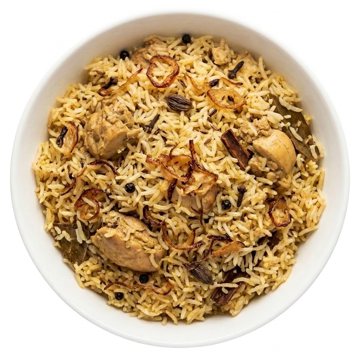
A rich, aromatic chicken curry slow-cooked in sealed steam with yoghurt, fresh herbs, and warming spices.

Spices for the yoghurt

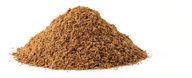
1.8 gWhisked into the yoghurt (step 1)
01
1.8 g1 teaspoon
spice
Keep as ground powder ready to blend into the yoghurt.

Whole spices for the ghee

3.5 gFried in the hot ghee (step 2)
02
2 g4 leaves
spice
03
0.6 g12 peppercorns
spice
Keep whole: they go into the hot fat together.

Spices for the simmer

5 gAdded before sealing the pan (step 4)
01
1.1 g½ teaspoon
spice
02
Dried red chilli · Sukhi Lal Mirchde-seeded and cut into strips
4 g4 chillies
spice
Keep together ready to add along with the fresh herbs.

Everything else

01
254 g250 ml
dairy
02
125 g
oil/fat
03
150 g
vegetable
04
3 g1 clove
aromatic
05
Ginger · Adrakpeeled and grated
12 g1 piece
aromatic
06
Chicken tikka breast · Murgh Tikkacut into 2.5-cm / 1-inch pieces
1000 g
poultry
08
6 g4 tablespoons
herb
09
Green chilli · Hari Mirchde-seeded and chopped
72 g12 chillies
vegetable
11
to taste
salt

Method

  1. In a wide bowl, thoroughly combine 254 g plain yogurt, the spices for the yoghurt, and salt to taste.
  2. Warm 125 g ghee in a heavy-bottomed pan over medium heat. Tip in the whole spices for the ghee and fry for roughly 1 minute until the cardamom begins to colour. Stir in 150 g onion, 3 g garlic, and 12 g ginger, cooking for about 2 minutes until the onions become soft and translucent.
  3. Turn the heat up to high, add 1000 g chicken, and fry briskly for 4 minutes.
  4. Take the pan off the heat and stir in the seasoned yoghurt mixture. Set the pan back on the heat, then mix in 20 g coriander leaf, 4 tablespoon mint, 72 g green chilli, the spices for the simmer, and 250 g water.
  5. Place the lid on the pan and seal the rim completely with 150 g dough. Turn the heat down to low and leave to cook for 20 minutes, gently agitating the pan from time to time.
  6. Break the seal and lift off the lid. Simmer gently for about 5 minutes, stirring thoroughly, until the sauce thickens and the chicken is fully tender. Adjust the seasoning with additional salt if needed.

Don't have something?

Plain yogurt
  • Yogurt

    Use equal weight, whisked thoroughly until smooth before adding to hot dishes to prevent curdling.

  • Coconut milk

    Use equal weight with 1 teaspoon lemon juice mixed in. Provides rich creaminess in curries, but adds a noticeable coconut flavour.

  • Single cream

    Use 80% of the weight plus a squeeze of lemon juice for acidity. Enriches sauces nicely, though it is richer and less tangy.

Ground coriander
  • Coriander seeds

    Dry-roast lightly in a pan and grind to a fine powder; use equal weight (1:1). Offers a noticeably fresher, brighter citrus note.

  • Ground cumin

    Use 50% to 75% of the weight. Lacks the floral, citrusy profile of coriander and turns the gravy heavier, earthier, and darker.

  • Garam masala

    Use 50% of the weight and stir in near the end of cooking. Adds warmth and depth since it contains ground coriander, but introduces stronger spices like clove and cinnamon.

Ghee
  • Unsalted butter

    Use 120% of the weight; melt gently over low heat to avoid burning the milk solids, which will yield a softer, creamier richness rather than a nutty aroma.

  • Vegetable oil

    Use 85% of the weight; holds high cooking temperatures without smoking, but the final dish will lack traditional dairy depth.

  • Mustard oil

    Use equal weight; heat to smoking point and cool slightly before cooking, bearing in mind it introduces an assertive, pungent edge.

Green cardamom pod
  • Green cardamom seed

    Use 35 to 40% of the total pod weight; lightly bruise the seeds before frying in oil to release their essential oils.

  • Ground green cardamom

    Use 20 to 25% of the pod weight (about 1 generous pinch per pod); stir in toward the end of cooking so the delicate floral notes do not dissipate.

  • White cardamom pod

    Use 1:1 by pod count or weight; crack gently before using, though it is slightly less intensely floral.

Bay leaf
  • Cinnamon stick

    Use a 2 cm piece (about 1 g) for every 1 to 2 bay leaves. Fry in whole-spice temperings; provides the cassia-like warmth typical of Indian tejpatta.

  • Ground cinnamon (cassia)

    Use 0.5 g per leaf. Stir into the sauce during simmering; gives the same warm woodiness but darkens the colour slightly.

Black peppercorn
  • Coarsely ground black pepper

    Use 75% of the weight. Add midway through simmering; spreads heat evenly through the dish instead of delivering isolated bursts.

  • Ground black pepper

    Use 50% of the weight. Stir in near the end of cooking; significantly darkens light gravies and provides an immediate, sharp bite.

Onion
  • Shallot

    Use equal weight, finely sliced. Shallots soften and brown faster, giving a slightly sweeter and more delicate base to curries.

  • Cabbage

    Use 80% of the weight, finely shredded and browned slowly with a pinch of asafoetida. Replicates the bulk and natural sweetness in gravies without allium.

Garlic
  • Garlic paste

    Use equal weight. Fry gently in oil or ghee with the ginger; incorporates smoothly into curries without visible minced bits.

  • Garlic powder

    Use 15% to 20% of the weight (about 1 g for every 5 to 6 g fresh cloves). Whisk into sauces; gives a savoury, toasted garlic flavour without raw pungency.

  • Shallot

    Use 1.5 times the weight, very finely minced. Sauté until golden; provides savoury allium sweetness, though it lacks garlic's pungent sulphur bite.

Ginger
  • Fresh ginger

    Use equal weight; scrape off the skin and grate or finely julienne according to the recipe.

  • Ginger paste

    Use equal weight; stir straight into the sizzling aromatics, taking care as the extra moisture may spit.

  • Ground ginger

    Use 15 to 20% of the weight; add alongside ground spices, noting it imparts warm, dry heat rather than zesty freshness.

Chicken tikka breast
  • Boneless chicken thigh

    Use the same weight, cut into tikka-size pieces and marinate as usual; it is juicier and needs 2-3 minutes longer on the grill.

  • Skinless boneless chicken breast

    Use the same weight and cut the same way; grill 2-3 minutes less so it does not dry out.

  • Chicken breast

    Use the same weight, cut into 2.5 cm pieces and marinate; cook slightly less than tikka breast.

Coriander leaf
  • Coriander

    Use equal weight finely chopped; this is the exact same fresh herb.

  • Mint

    Use half the weight finely chopped; provides vibrant green freshness, though the flavour profile becomes noticeably cooler and sharper.

Mint
  • Dried mint

    Use about 30% of the weight of fresh mint. Rub between your palms to crush before stirring in; the flavour will be more intensely herbal and less bright.

  • Coriander leaf

    Use equal weight, finely chopped. Adds fresh citrusy green notes, but lacks the cooling menthol lift.

Green chilli
  • Chilli powder

    Use 10 to 15% of the weight (about 1/4 teaspoon per chilli); imparts dry pungent heat and reddens the dish without the grassy crunch.

  • Dried red chilli

    Use 1 dried pod per fresh green chilli; snap in half and temper in hot oil for a deeper, toastier heat.

Ground nutmeg
  • Nutmeg

    Grate whole nutmeg finely on a microplane; use 80% to 100% of the weight. Freshly grated nutmeg has significantly more aromatic oils and a more vibrant aroma.

  • Ground mace

    Use 100% to 120% of the weight. Mace is nutmeg's outer husk, providing almost identical warmth but with a lighter, slightly more delicate, floral edge.


  • Ground cinnamon (cassia)

    Use 75% of the weight. Adds comparable warmth and sweetness, though it lacks the musky, nutty undertone of nutmeg.

Dried red chilli
  • Dried kashmiri chilli

    Use equal weight whole. Fry in hot oil or ghee as tempered spice; gives a richer red colour with slightly milder heat.

  • Red chilli powder

    Use 50% to 70% of the weight. Stir into the oil with ground spices; distributes heat evenly throughout the dish without whole chilli skins.

Dough
  • Plain boiled rice

    If dough was intended to accompany a curry (such as flatbreads), serve equal cooked weight of rice instead.

Similar dishes

Khare Masale ka Murg
Chicken with Aromatic Whole Spices
It tastes sweeter and more earthy from the browned onions, cumin, and turmeric, but has less herbal freshness, milder chilli heat, and lower acidity than this dish.
  • Same: Khare Masale ka Murg shares chicken cooked in ghee with a yogurt base, seasoned with onions, ginger, garlic, bay leaves, green cardamoms, and both green and dried red chillies.
  • Different: Khare Masale ka Murg is simmered without a dough seal and adds cumin seeds and turmeric with twice as many onions, while omitting the nutmeg, black peppercorns, ground coriander, fresh mint, and coriander leaves used in this dish.
Thanda Qorma
Cold Chicken Korma
Thanda Qorma is much milder and savoury-cold with set juices, lacking the tangy heat, aromatic nutmeg, and rich herbal sauce of this dish.
  • Same: Both dishes are chicken preparations cooked with ghee, onions, ginger, garlic, green chillies, black peppercorns, and green cardamom.
  • Different: Thanda Qorma omits the yogurt, fresh herbs, and dough-sealed steam method, using far less ghee along with cinnamon and cloves, and is simmered nearly dry to be served chilled.
Murg Pulao
Chicken Pulao
Murg Pulao tastes rice-forward and aromatic from whole spices, ghee and fried onion, with less yogurt sourness, chilli heat and fresh-herb flavour than this dish.
  • Same: Murg Pulao shares chicken, yogurt, ghee, onion, garlic, ginger, ground coriander, bay leaf, black peppercorn and green cardamom with this dish.
  • Different: Murg Pulao is a rice-and-broth dish with basmati rice, cinnamon, clove, black cardamom and cumin, uses more ghee and onion and less yogurt than this dish, and lacks this dish's fresh herbs, green chilli, dried red chilli, nutmeg and dough-sealed steam.
Koli Milagu Masala
Pepper Chicken from Chettinad
Koli Milagu Masala tastes deeply savoury and peppery with roasted spice and a thick onion-tomato gravy, while this dish tastes rich, aromatic, and yoghurt-herb forward.
  • Same: Koli Milagu Masala and this dish are both chicken curries built on onion, ginger, garlic, bay leaf, green cardamom, dried red chilli, and salt.
  • Different: Koli Milagu Masala uses vegetable oil, tomato, curry leaf, urad dal, poppy seeds, fennel, cumin, cinnamon, clove, and turmeric, while this dish uses ghee, yogurt, fresh coriander and mint, nutmeg, and a dough seal for slow steam cooking.