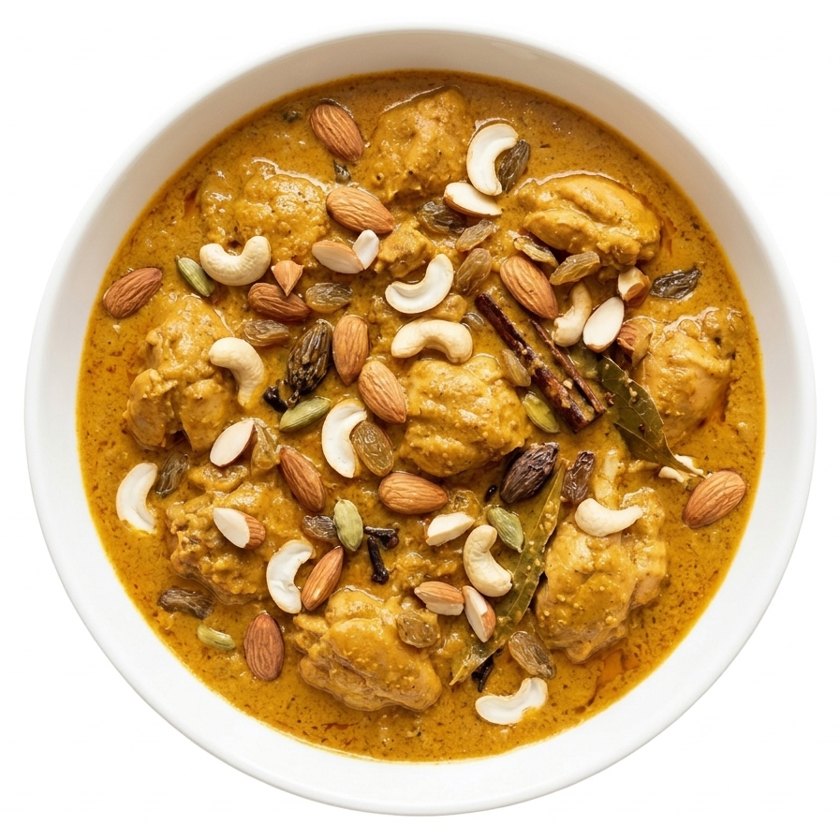
Murg Mumtaz
A rich, regal chicken korma braised in spiced yogurt and finished with a velvety nut puree, cream, and fragrant sweet spices.
whole garam masala
5 gFried in the hot ghee (step 4)poppy seeds for the paste
17 gSoaked and blended with the nuts (step 2)ground chilli and turmeric
6 gMixed with water and fried with the aromatics (step 5)finishing spices
1.8 gScattered into the sauce with the cream (step 8)Everything else

Method
- In a wide dish, whisk together 388 g yogurt and a pinch of salt to taste. Turn 1000 g chicken in the mixture until thoroughly coated, cover, and refrigerate for at least 30 minutes.
- Submerge the poppy seeds for the paste (16.8 g poppy seed) in water for 30 minutes, then drain. Transfer the drained seeds to a blender along with 4 tablespoon almond, the remaining nuts and melon seeds, and 125 ml of water, then process to a completely smooth puree.
- Place the garnish nuts and dried fruit into a bowl of lukewarm water to soften for 15 minutes, then drain. In a small ramekin, blend the ground chilli and turmeric (1 g ground turmeric and 5.2 g chilli powder) with 2 tablespoons of water.
- Warm 180 g ghee in a broad, heavy pan set over medium heat. Drop in the whole garam masala and sizzle for about 1 minute until fragrant and crackling.
- Tumble in 200 g onion and sauté for 5 to 7 minutes until deep golden brown. Stir through 6 g fresh ginger and 24 g green chilli for 1 minute, then add the wet ground chilli and turmeric mixture and cook out for 2 minutes.
- Tip the chicken and all of its marinade into the pan, pour in 6 tablespoons of water, and bring up to a simmer. Turn the heat down low, fit a lid, and cook for roughly 25 minutes until the chicken is tender and cooked through.
- Pour in the blended poppy seed paste and bring the sauce back to a bubble. Simmer uncovered for 1 to 2 minutes, stirring occasionally, until the fat separates and floats to the surface.
- Gently fold in 127 g single cream, then dust the finishing spices and half of the drained garnish over the curry. Check and adjust the seasoning with salt, then scatter over the rest of the garnish to serve.
Don't have something?


 Plain yogurt
Use 100% of the weight. Whisk thoroughly until smooth before stirring into warm gravies to prevent curdling.
 Single cream
Use 90% of the weight combined with 10% lemon juice to replicate the lactic tang and rich body in marinades and curries.

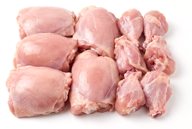
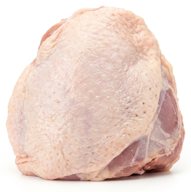 Turkey thigh
Use 100% of the weight, cut into equivalent bone-in or boneless pieces. Simmer for an extra 5 to 10 minutes; flavour and texture are very similar.
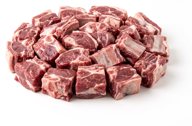 Lamb
Use 100% of the weight. Cut into bite-sized pieces and extend simmering time by 35 to 50 minutes, adding extra liquid to allow the meat to tenderise.


 Ground ginger
Use 50% of the weight. Mimics turmeric's warm, earthy, rhizome background, but provides none of the golden-yellow colour.
 Saffron
Steep a tiny pinch (0.1 g per 2 g turmeric) in 2 tbsp warm water; use to match the rich golden hue. Contributes an aristocratic, honeyed floral flavour rather than earthy bitterness.


 Red chilli powder
Use 100% of the weight. Provides direct, sharp heat and red colour in equal measure.
 Kashmiri chilli powder
Use 150% to 200% of the weight if matching colour, but add a pinch of black pepper or hot chilli if you need equivalent fiery heat.
 Cayenne pepper
Use 75% to 100% of the weight. Offers a sharp, clean heat with slightly less earthy depth and less crimson colour.


 Unsalted butter
Use 120% of the weight; melt gently over low heat to avoid burning the milk solids, which will yield a softer, creamier richness rather than a nutty aroma.
 Vegetable oil
Use 85% of the weight; holds high cooking temperatures without smoking, but the final dish will lack traditional dairy depth.
 Mustard oil
Use equal weight; heat to smoking point and cool slightly before cooking, bearing in mind it introduces an assertive, pungent edge.






 Ginger paste
Use equal weight. Sauté in hot fat until the raw allium smell disappears; slightly wetter, but provides identical warmth and pungency.
- Ground ginger
Use 20% to 25% of the weight (1 g for every 4 to 5 g fresh). Stir into the gravy; adds peppery heat and warmth, though it misses the crisp, zesty kick of raw root.


- Chilli powder
Use 10 to 15% of the weight (about 1/4 teaspoon per chilli); imparts dry pungent heat and reddens the dish without the grassy crunch.
 Dried red chilli
Use 1 dried pod per fresh green chilli; snap in half and temper in hot oil for a deeper, toastier heat.

 Whole milk
Use equal weight, whisked with a small knob of unsalted butter. Simmer gently over low heat to reduce curdling; sauce will be slightly lighter.
 Clotted cream
Use 50% weight combined with 50% whole milk, whisked until smooth. Adds intense richness, so stir in at the very end off the heat.
 Cashew paste
Use 60% cashew paste mixed with 40% warm water. Creates a silky, luxurious thickening that won't split even under high heat.


 Mace blade
Grind dried blades finely in a spice mill; use equal weight (1:1). Provides an identical, freshly aromatic, sweet-musky profile.
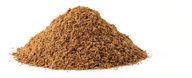 Ground nutmeg
Use 75% to 80% of the weight. Derived from the seed of the same tree, it shares the flavour profile but is heavier, sweeter, and more pungent.
 Ground cinnamon (cassia)
Use 50% of the weight. Adds warming sweetness, but lacks mace's savoury, elegant floral notes.


 Green cardamom seed
Grind freshly extracted inner black seeds finely; use equal weight (1:1). Greatly superior aroma with potent eucalyptus and citrus notes.
 Green cardamom pod
Lightly crack whole pods and simmer them in the gravy; use 150% of the weight of ground cardamom. Fish out the pods before serving.
- Ground nutmeg
Use 50% of the weight. Delivers warm, sweet aroma, but lacks cardamom's cooling, citrusy top notes.


- Green cardamom seed
Use 35 to 40% of the total pod weight; lightly bruise the seeds before frying in oil to release their essential oils.
- Ground green cardamom
Use 20 to 25% of the pod weight (about 1 generous pinch per pod); stir in toward the end of cooking so the delicate floral notes do not dissipate.
 White cardamom pod
Use 1:1 by pod count or weight; crack gently before using, though it is slightly less intensely floral.


 Ground black cardamom
Use 0.5 g of ground seeds for each whole pod. Stir directly into the curry base; delivers identical smoky flavour without woody husks.
- Green cardamom pod
Use equal pod count or weight. Crack slightly and fry whole; tastes sweet, menthol-fresh, and floral rather than dark and smoky.


 Ground cloves
Use 1 g ground for 4 g whole (or 1 small pinch per 2 to 3 whole cloves). Add with spice powders; disperses intense warmth quickly, so use with restraint.
 Allspice berries
Use 100% of the weight whole in tempering. Imparts a warm, clove-like aromatic profile combined with hints of nutmeg and cinnamon.
- Black cardamom pod
Use 1 pod for 3 to 4 cloves in whole tempering. Shares a camphor-like warmth and medicinal depth, though it introduces a distinct smoky undertone.


 Ceylon cinnamon
True cinnamon: thinner, papery quills, milder and sweeter. Use about 1.5 times the weight, and taste.
- Ground cinnamon (cassia)
Use about a third of the weight (0.5 g ground for a 2.5 cm piece), stirred in with the ground spices rather than fried whole, since the powder burns quickly.
 Cassia buds
Use 60-70% of the weight; stronger and more peppery, so taste before adding more.


- Cinnamon stick
Use a 2 cm piece (about 1 g) for every 1 to 2 bay leaves. Fry in whole-spice temperings; provides the cassia-like warmth typical of Indian tejpatta.
- Ground cinnamon (cassia)
Use 0.5 g per leaf. Stir into the sauce during simmering; gives the same warm woodiness but darkens the colour slightly.


 Cashew nut
Use equal weight. Soak in warm water for 20 minutes and grind to a smooth paste; produces an even creamier, slightly richer gravy than poppy seeds.
 White sesame seed
Use equal weight. Soak and grind finely; provides similar thickening and body with a slightly nuttier, faintly bitter edge.
 Almond
Use equal weight. Blanch, peel, and grind finely with a splash of water; lends a velvety body and gentle sweetness to gravies.


- Cashew nut
Use equal weight. Soak in warm water and grind to a paste or fry identically; yields a slightly creamier and sweeter sauce.
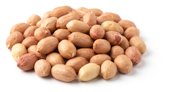 Shelled peanut
Use equal weight. Lightly roast, skin, and grind; introduces a heavier body and a pronounced roasted-nut aroma.

- Almond
Use 100% of the weight. Soak in boiling water and slip off skins before frying or grinding; gives a lighter, slightly less sweet richness to curries.
- Poppy seed
Use 60% of the weight for gravies. Soak in warm water and grind into a fine paste to thicken royal kormas without adding heavy oiliness.
- Shelled peanut
Use 100% of the weight. Roast, skin, and grind; creates a thicker, earthier texture typical of Maharashtrian and western Indian curries.


- Cashew nut
Use 80% of the weight, soaked in hot water 20 minutes and ground to a paste. Sweeter and richer; reduce added cream or nuts.
- Almond
Use the same weight, blanched and ground. Slightly more textured and nuttier; soak if making a paste.
 Peanut
Use the same weight, roasted and ground. Stronger flavour; use only where peanuts are welcome.


 Pistachio
Use the same weight; blanch and peel for a bright paste. This is the closest match.
- Almond
Use the same weight; blanch and peel. It is firmer, so grind a little longer and add a drop of milk if needed.
- Cashew nut
Use the same weight; soak in hot water for 15 minutes. It is softer and sweeter, so reduce sugar slightly.


- Almond
Use the same weight; toast lightly. It is milder and less bitter.
- Cashew nut
Use the same weight; chop or grind. It is softer and sweeter.
- Peanut
Use the same weight; roast and rub off skins. It has a stronger flavour.


- Cashew nut
Use the same weight; soak in hot water for 15 minutes for a smooth paste. It is softer and sweeter.
- Almond
Use the same weight; blanch and peel for a whiter paste. It is firmer, so grind a little longer.
- Pistachio
Use the same weight; blanch and peel for colour. It gives a greener paste and a slightly stronger nut flavour.


 Dried plum
Use equal weight, pitted and finely chopped. Lends a deeper, slightly more tart sweetness to curries and rice dishes.
- Cashew nut
Use equal weight. Fry lightly in ghee until golden; substitutes the burst of sweetness with a rich, buttery crunch.
 Jaggery
Use 30% of the weight, finely grated. Dissolve straight into the sauce to match the intended sweetness, though without the fruity chew.


- Melon seeds
Use the same weight, lightly toasted; they are softer but give a similar mild nutty finish.
 Sesame seed
Use about 70% of the weight, toasted; the flavour is stronger, so do not overdo it.
- Peanut
Use the same weight, roasted and chopped; it is harder and more savoury, so chop finely for garnishes.

Similar dishes
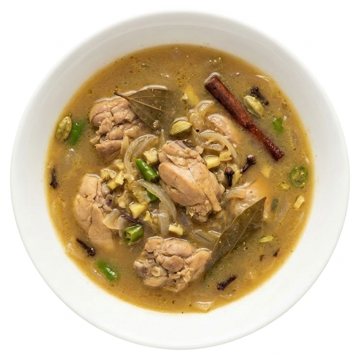
- Same: Chicken Ishtoo also braises chicken with onions, fresh ginger, green chillies, and whole warm spices including cinnamon, cloves, bay leaves, and green cardamom.
- Different: Chicken Ishtoo is cooked in vegetable oil with added garlic, but completely omits the ghee, yogurt, cream, powdered spices, mace, raisins, and pureed nuts and poppy seeds.

- Same: Murg Shahjehani and this dish are both chicken curries built on yogurt, onion, ginger, green cardamom, cinnamon, clove, chilli powder, and poppy seed.
- Different: Murg Shahjehani uses vegetable oil instead of ghee, adds garlic, black peppercorn, cumin seed, coriander seed, and rosewater, and lacks this dish's cream, nut puree, mace, black cardamom, bay leaf, turmeric, raisins, and mix of almonds, cashews, melon seeds, pistachios, walnuts, pine nuts, and sunflower seeds.

- Same: Khad Murg shares chicken, yogurt, ghee, chilli powder, ginger, salt, and whole spices such as green cardamom, black cardamom, cinnamon, clove, and bay leaf with this dish.
- Different: Khad Murg is baked wrapped in handkerchief bread and uses chicken stock, saffron milk, lemon juice, garlic paste, almond paste, and vegetable oil, while this dish is a korma braised in spiced yogurt and finished with cream plus large amounts of cashew, almond, poppy seed, melon seed, and other nuts and seeds.
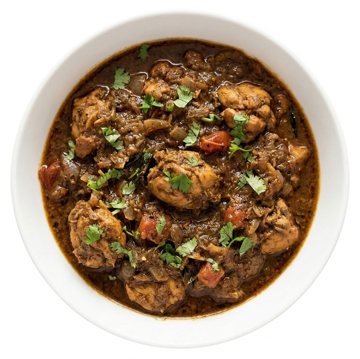
- Same: Chettinad Chicken Curry shares chicken, onion, turmeric, chilli powder, poppy seeds, and whole warm spices such as cinnamon, cardamom, and clove with this dish.
- Different: Chettinad Chicken Curry uses fresh coconut, tomato, lime juice, curry leaves, garlic, fennel seed, and vegetable oil, while this dish uses yogurt, ghee, cream, a large nut and seed puree, and dried fruit.