
Methi Makhani Palak
A vibrant North Indian vegetable dish featuring crisp baby corn tossed with fresh spinach and bitter fenugreek greens, lifted by warm spices and a splash of lemon.
Coriander paste
2.7 gMixed with water in step 1 and added to the pan in step 3Whole spices
4.1 gBloomed in the hot oil (step 2)Finishing spices
1.7 gStirred into the wilted greens at the end (step 5)Everything else

Method
- In a small bowl, mix the coriander paste with 1 tablespoon of water until smooth.
- Heat 54 g vegetable oil in a deep, heavy pan set over medium heat. Add 18 g chopped garlic and fry for about 1 minute until lightly coloured. Stir in 12 g chopped ginger and 24 g chopped green chilli for 20 seconds. Tip in the whole spices and sizzle for 30 seconds, then add 100 g chopped onion and fry for about 2 minutes until translucent.
- Tumble in 32 baby corn (cut into 2.5-cm / 1-inch pieces) and sauté for about 2 minutes. Stir in the coriander paste slurry and cook for roughly 1 minute until the moisture has mostly evaporated.
- Add 450 g chopped fenugreek and 450 g chopped spinach to the pan. Sauté for 1 to 2 minutes until wilted and any released liquid has almost cooked away.
- Pour in 15.3 g lemon juice, add 0.5 teaspoon coarsely ground roasted spices, and tip in the finishing spices. Stir thoroughly to coat, remove from the heat, and season to taste with salt.
Don't have something?

 Coriander seeds
Dry-roast lightly in a pan and grind to a fine powder; use equal weight (1:1). Offers a noticeably fresher, brighter citrus note.
 Ground cumin
Use 50% to 75% of the weight. Lacks the floral, citrusy profile of coriander and turns the gravy heavier, earthier, and darker.
 Garam masala
Use 50% of the weight and stir in near the end of cooking. Adds warmth and depth since it contains ground coriander, but introduces stronger spices like clove and cinnamon.


 Peanut oil
Use 1:1 by weight. Handles high-heat frying identically and introduces a very subtle, pleasant nuttiness.
 Ghee
Use 1:1 by weight. Yields a much richer, authentic aroma and a glossy, heavier mouthfeel.
 Mustard oil
Use 1:1 by weight. Heat until smoking, then cool slightly before cooking to temper its intensely pungent, sharp mustard kick.



 Garlic paste
Use equal weight. Fry gently in oil or ghee with the ginger; incorporates smoothly into curries without visible minced bits.
 Garlic powder
Use 15% to 20% of the weight (about 1 g for every 5 to 6 g fresh cloves). Whisk into sauces; gives a savoury, toasted garlic flavour without raw pungency.
 Shallot
Use 1.5 times the weight, very finely minced. Sauté until golden; provides savoury allium sweetness, though it lacks garlic's pungent sulphur bite.


 Fresh ginger
Use equal weight; scrape off the skin and grate or finely julienne according to the recipe.
 Ginger paste
Use equal weight; stir straight into the sizzling aromatics, taking care as the extra moisture may spit.
 Ground ginger
Use 15 to 20% of the weight; add alongside ground spices, noting it imparts warm, dry heat rather than zesty freshness.


 Chilli powder
Use 10 to 15% of the weight (about 1/4 teaspoon per chilli); imparts dry pungent heat and reddens the dish without the grassy crunch.
 Dried red chilli
Use 1 dried pod per fresh green chilli; snap in half and temper in hot oil for a deeper, toastier heat.


- Ground cumin
Use 70% of the weight; add with ground spices or sauce bases rather than hot oil tempering, where it scorches quickly and turns bitter.
 Black cumin seeds
Use equal weight for oil tempering. Delivers an earthy profile with an additional musky, smoky, and slightly bitter edge.
 Fennel seed
Use 60% of the weight for tempering; offers comparable warm aroma, but leans sweet and liquorice-like rather than savoury and earthy.


 Aniseed
Use 75% of the weight. Fry in hot oil or ghee; has a sharper, more pronounced liquorice flavour, so use a lighter hand.
 Ground fennel seed
Use 60% of the weight. Stir into the sauce with ground masalas; provides identical sweet aniseed flavour without whole seed crunch.
 Star anise
Use one point (single carpel) per 1 g of fennel seeds. Simmer in gravies and remove before serving; gives a deeper, woodier liquorice aroma.





 Sweetcorn kernel
Use the same weight; add 2 minutes later. It is sweeter and softer, with no crunch.
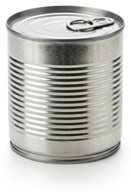 Canned sweetcorn kernel
Use the same weight, drained; add at the end and simmer 2 minutes. Softer and less sweet than fresh.
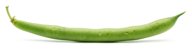 Green bean
Use the same weight, cut into 4 cm lengths; cook 2 minutes longer. Less sweet but keeps a crunch.


 Dried fenugreek leaf
Use 10% of the fresh weight, rub between the palms or soak in warm water for 5 minutes. More hay-like and less fresh-bitter; add near the end.
 Spinach
Use the same weight, chop and wilt. Gives leafy body but none of methi's bitter aroma; adjust salt and add a pinch of sugar.
 Fenugreek shoots
Use the same weight, chop finely and discard any tough stems. Milder and more tender; cook 2–3 minutes less.


 Amaranth leaves
Use equal weight; trim tough stems and cook as directed. Yields a very similar melting texture, though red varieties will tint the dish.
 Radish leaves
Use equal weight, finely chopped. Slightly more peppery, so sauté for two minutes longer to soften the bite.
 Mustard greens
Use 75% of the weight, finely shredded. Adds a robust, peppery bitterness; balance with a tiny pinch of sugar if needed.


 Lime juice
Use equal volume or weight; delivers almost identical sharp acidity with a faintly more aromatic, bitter-edged profile.
 Dried mango powder
Use 25% of the weight (about 1 g amchoor for 4 g juice); provides clean fruity tartness without thinning the sauce.
 White vinegar
Use 75% of the volume; gives direct sourness without any citrus floral fragrance.


 Coarsely ground black pepper
Use 75% of the weight. Add midway through simmering; spreads heat evenly through the dish instead of delivering isolated bursts.
 Ground black pepper
Use 50% of the weight. Stir in near the end of cooking; significantly darkens light gravies and provides an immediate, sharp bite.


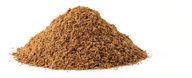
 Nutmeg
Grate whole nutmeg finely on a microplane; use 80% to 100% of the weight. Freshly grated nutmeg has significantly more aromatic oils and a more vibrant aroma.
 Ground mace
Use 100% to 120% of the weight. Mace is nutmeg's outer husk, providing almost identical warmth but with a lighter, slightly more delicate, floral edge.
 Ground cinnamon (cassia)
Use 75% of the weight. Adds comparable warmth and sweetness, though it lacks the musky, nutty undertone of nutmeg.


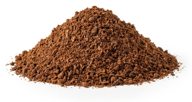 Ground allspice
Use 1.5–2 times the weight; it has a similar warm pungency but is milder and rounder, so the dish loses clove’s sharp medicinal heat.
- Ground cinnamon (cassia)
Use the same weight; it gives warmth but is sweeter and lacks clove’s strength, so use only if the amount is small.
Similar dishes

- Same: Bhutta Methi Palak shares the same base of baby corn and spinach seasoned with onion, ginger, green chillies, lemon juice, coriander, cumin, fennel, and nutmeg.
- Different: Bhutta Methi Palak is cooked as a dry curry and uses considerably less garlic, less vegetable oil, and roughly half the ground cloves.

- Same: Both dishes cook spinach and onions in vegetable oil seasoned with cumin seeds, ginger, and ground coriander.
- Different: Deewani Handi braises vegetables in milk with turmeric, fenugreek seeds, and asafoetida, omitting this dish's garlic, fresh green chillies, fennel, cloves, nutmeg, and lemon juice.
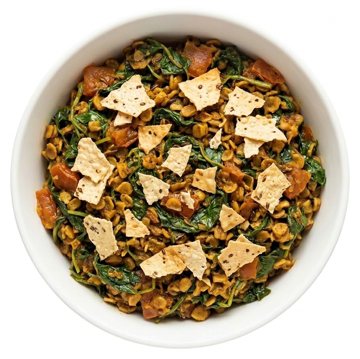
- Same: Papad Methi ki Subzi shares fenugreek leaves, green chilli, ginger, cumin seed, ground coriander, lemon juice, vegetable oil and salt with this dish.
- Different: Papad Methi ki Subzi adds papad, tomato, ground turmeric and chilli powder, and it lacks this dish's baby corn, spinach, garlic, fennel seed, black peppercorn, nutmeg and clove.
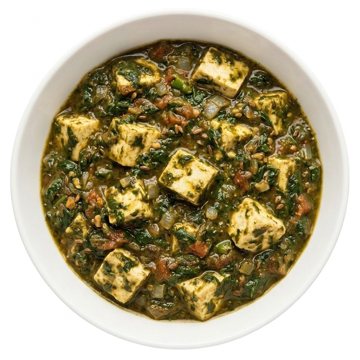
- Same: Both Palak Paneer and this dish feature spinach cooked in vegetable oil with an aromatic base of onion, garlic, ginger, green chillies, and cumin seeds.
- Different: Palak Paneer incorporates paneer cubes and a tomato purée gravy with fenugreek seeds, but lacks the fennel seeds, ground coriander, cloves, nutmeg, and lemon juice found in this dish.