Indian cooking
Indian cooking / Dishes / Mansho Jhol
Mansho Jhol (Lamb Curry (III))

Mansho Jhol

Lamb Curry (III)
Non-vegetarian●●●Origin BengalPrep 45 minutes, plus marinating and soaking timeCook 1–1½ hours

A light, comforting Bengali-style meat stew featuring tender lamb, halved potatoes, and raw papaya in an aromatic broth. The gravy is gently spiced with ginger, garlic, black pepper, and whole aromatics.

Marinade spices

43 gMixed with the chopped onion and rubbed onto the meat (step 1)
Stir together with the onion and salt into a wet rub.

Whole spices for paste

10 gSoaked in water and puréed before simmering (step 2)
02
4.2 g1 piece
spice
Soak in just enough water to cover, then drain and blend into a paste.

Everything else

01
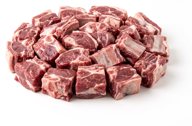
Lamb · Goshtcut into 2.5-cm / 1-inch pieces
500 g
meat
02
27 g2 tablespoons
oil/fat
03
Potato · Aloocut into halves
600 g2 potatoes
vegetable
04
Unripe papaya · Kaccha Papitapeeled, de-seeded and cut into slices
500 g
fruit
05
to taste
salt
07
300 g2 onions
vegetable

Method

  1. In a wide dish, combine 300 g onion, the marinade spices, and salt to taste. Rub the mixture thoroughly over 500 g lamb, then cover and marinate for 30 minutes.
  2. Place the whole spices for paste into a small bowl, cover with just enough water, and leave to soak for 30 minutes. Drain, transfer to a small blender, and grind to a smooth paste, drizzling in a little water if needed to loosen.
  3. Heat 27 g mustard oil in a pressure cooker. Add the marinated lamb and fry, stirring from time to time, until the oil begins to separate from the meat.
  4. Add the blended spice paste, 600 g potato, 500 g unripe papaya, and 500 ml of water to the pot, stirring well to combine.
  5. Lock the lid onto the pressure cooker and cook under high pressure for 20 minutes, or alternatively simmer gently in a lidded heavy-bottomed pan for 1 to 1½ hours until the lamb is fully tender. Adjust salt to taste and serve hot alongside steamed rice.

Don't have something?

Lamb
  • Pork

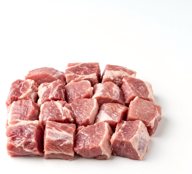
    Use equal weight of pork shoulder or collar; cut into identical cubes and braise, reducing cooking time by 15-20 minutes.

  • Chicken

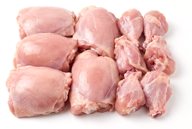
    Use equal weight of bone-in chicken thighs; curry simmers in roughly 25 minutes instead of over an hour, with a much lighter sauce.

Mustard oil
  • Peanut oil

    Use equal weight. It handles high-heat cooking well, but lacks the signature pungent, nasal heat of mustard oil.

  • Vegetable oil

    Use equal weight. Neutral in flavour, so your curry will lack the characteristic Bengali or North Indian pungent punch.

Potato
  • Eggplant

    Use equal weight. Cut into large chunks; cooks down much faster (10-12 minutes) and softens into the sauce rather than staying starchy and firm.

  • Paneer

    Use 80% of the weight. Cube and add in the last 5-10 minutes of cooking; adds rich dairy protein instead of starchy bulk.

  • Dried chickpea

    Use 45% dry weight. Soak overnight and boil until fully soft before stirring into the sauce to simmer for 10 minutes.

Unripe papaya
  • Plain yogurt

    Use equal weight when needed as a meat tenderiser in marinades; softens meat effectively via lactic acid, though it lacks the enzyme strength of papain.

  • Cabbage

    Use equal weight, shredded, when used raw or stir-fried in slaws and sambharo. Provides similar crunch, though it is slightly softer and sweeter.

Steamed rice
  • Plain boiled rice

    Use 1:1 by weight. Functionally identical as an accompaniment or base.

  • Basmati rice

    Weigh out 40% of the required cooked weight in raw basmati rice, rinse, and boil in double its weight of water until tender.

Onion
  • Shallot

    Use equal weight, finely sliced. Shallots soften and brown faster, giving a slightly sweeter and more delicate base to curries.

  • Cabbage

    Use 80% of the weight, finely shredded and browned slowly with a pinch of asafoetida. Replicates the bulk and natural sweetness in gravies without allium.

Garlic paste
  • Garlic

    Use equal weight; crush or finely grate to a smooth pulp to replicate the same fresh, pungent moisture in your base gravy.

  • Garlic powder

    Use 20 to 25% of the weight; mix with a teaspoon of water before adding to oil so it does not burn, noting it lacks the fresh bite.

Ginger paste
  • Fresh ginger

    Use equal weight; peel and grate very finely on a microplane or pound to a fine paste in a mortar.

  • Ginger

    Use equal weight; mince finely and crush with the flat of a knife before frying.

  • Ground ginger

    Use 20% of the weight; add directly with the dry spice powders, though it yields an earthier, less pungent profile.

Ground black pepper
  • Black peppercorn

    Use 1:1 by weight; pulverise in a spice mill or mortar to a fine powder for immediate, punchy heat.

  • Coarsely ground black pepper

    Use equal weight; offers the same bite, though it gives a visibly speckled finish and firmer crunch.

Ground cumin
  • Cumin seed

    Dry-roast briefly and grind finely; use equal weight (1:1). Imparts an even punchier, nuttier, toasty aroma than pre-ground cumin.

  • Ground coriander

    Use equal weight (1:1). Adds mild, lemony sweetness rather than cumin's smoky, earthy bite; curries will taste lighter and less savoury.

  • Black cumin seeds

    Grind finely; use 60% to 75% of the weight. Produces a darker, more complex, smoky-herbal flavour suited to rich gravies.

Ground coriander
  • Coriander seeds

    Dry-roast lightly in a pan and grind to a fine powder; use equal weight (1:1). Offers a noticeably fresher, brighter citrus note.

  • Ground cumin

    Use 50% to 75% of the weight. Lacks the floral, citrusy profile of coriander and turns the gravy heavier, earthier, and darker.

  • Garam masala

    Use 50% of the weight and stir in near the end of cooking. Adds warmth and depth since it contains ground coriander, but introduces stronger spices like clove and cinnamon.

Ground turmeric
  • Ground ginger

    Use 50% of the weight. Mimics turmeric's warm, earthy, rhizome background, but provides none of the golden-yellow colour.

  • Saffron

    Steep a tiny pinch (0.1 g per 2 g turmeric) in 2 tbsp warm water; use to match the rich golden hue. Contributes an aristocratic, honeyed floral flavour rather than earthy bitterness.

Black cardamom pod
  • Ground black cardamom

    Use 0.5 g of ground seeds for each whole pod. Stir directly into the curry base; delivers identical smoky flavour without woody husks.

  • Green cardamom pod

    Use equal pod count or weight. Crack slightly and fry whole; tastes sweet, menthol-fresh, and floral rather than dark and smoky.

Cassia bark
  • Ceylon cinnamon

    True cinnamon: thinner, papery quills, milder and sweeter. Use about 1.5 times the weight, and taste.

  • Ground cinnamon (cassia)

    Use about a third of the weight (0.5 g ground for a 2.5 cm piece), stirred in with the ground spices rather than fried whole, since the powder burns quickly.


  • Cassia buds

    Use 60-70% of the weight; stronger and more peppery, so taste before adding more.

Similar dishes

Panther Jhol
Lamb Stew (III)
Panther Jhol has a sharper chilli heat rounded by sweet, nutty notes from coconut and ghee, whereas this dish tastes more savory, aromatic, and peppery.
  • Same: Like this dish, Panther Jhol is a light Bengali lamb stew simmered with potatoes, mustard oil, ginger paste, cumin, and coriander.
  • Different: Panther Jhol includes green chillies, ghee, and a final tempering of browned fresh coconut and cumin seeds, but omits the raw papaya, onions, garlic, black pepper, and whole warm spices found in this dish.
Nahari
Morning Delight
Nahari has a much richer, thicker, and tangier gravy with chili warmth, whereas this dish yields a light, vegetable-infused, peppery broth.
  • Same: Both dishes slow-cook lamb in mustard oil with onions, ginger, garlic, black cardamom, cinnamon, coriander, black pepper, and turmeric.
  • Different: Nahari omits the potatoes, unripe papaya, and cumin of this dish, relying instead on chickpea flour, yogurt, cloves, chili powder, and substantially more mustard oil.
Bhindi ka Patala Salan
Lamb, Potato & Okra Curry
Bhindi ka Patala Salan has a tangier, chilli-forward flavor from tomatoes and chilli powder, while this dish gets its gentle heat and pungent undertone from black pepper and mustard oil.
  • Same: Both dishes are light, brothy lamb and potato curries seasoned with ginger, garlic, ground coriander, cinnamon, and turmeric.
  • Different: Bhindi ka Patala Salan uses okra, tomatoes, red chilli powder, green cardamom, and a mix of vegetable oil and ghee, whereas this dish features raw papaya, mustard oil, black cardamom, cumin, and black pepper.
Aloo ka Salan
Lamb with Potatoes in Yoghurt Sauce
Aloo ka Salan tastes richer and tangier from yogurt and ghee, while this dish is lighter and more peppery with a thin aromatic broth.
  • Same: Aloo ka Salan shares lamb and potato as main ingredients with this dish, and both use onion, garlic, ginger, turmeric, and ground coriander.
  • Different: Aloo ka Salan uses ghee and yogurt for a thick tangy sauce, while this dish uses mustard oil and a light broth with raw papaya, black pepper, black cardamom, and cinnamon.