Indian cooking
Indian cooking / Dishes / Panther Jhol
Panther Jhol (Lamb Stew (III))

Panther Jhol

Lamb Stew (III)
Non-vegetarian●●●Origin BengalPrep 30 minutes, plus marinating timeCook 1¼ hours

A light, aromatic Bengali lamb stew simmered with potatoes and green chillies, finished with a tempering of browned coconut and cumin.

Marinade spice

0.3 gRubbed onto the lamb (step 1)
01
~0.3 gpinch
spice
Keep ready to rub directly onto the meat.

Sauce spices

28 gStirred into the water before frying (step 2)
Mix together thoroughly with water into a thin liquid.

Tempering spice

2.1 gBloomed in hot ghee with the coconut (step 6)
01
2.1 g1 teaspoon
spice
Keep whole: goes into the pan once the coconut is browned.

Everything else

01
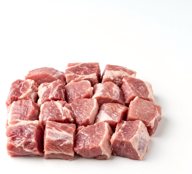
Lamb · Goshtcut into 2.5-cm / 1-inch cubes
500 g
meat
02
Mustard oil · Sarson Ka Telplus extra for frying
14 g1 tablespoon
oil/fat
03
Green chilli · Hari Mirchde-seeded and chopped
36 g6 chillies
vegetable
04
Potato · Aloocut into quarters
250 g
vegetable
05
4.2 g1 teaspoon
sweetener
06
26 g2 tablespoons
oil/fat
07
88 g¼ coconut
fruit
08
to taste
salt
09
7 g½ tablespoon
oil/fat

Method

  1. Coat 500 g lamb with 6.8 g mustard oil and the marinade spice in a bowl. Cover and leave to chill in the fridge for 30 minutes.
  2. Whisk the sauce spices together with 1.5 litres of water in a bowl until completely combined.
  3. Heat 13.5 g mustard oil in a heavy-based pot over high heat. Tip in the sauce spices mixture and stir-fry for roughly 30 seconds until the oil separates out. Mix in 36 g green chilli, turn the heat down to low, cover, and simmer for 10 to 12 minutes.
  4. Transfer the marinated meat into the sauce, replace the lid, and simmer gently for about 30 minutes until roughly three-quarters cooked through.
  5. Pour a shallow layer of extra mustard oil into a frying pan over medium heat. Fry 250 g potato for 15 to 20 minutes until golden brown, then add them to the lamb pot along with 4.2 g granulated sugar and salt to taste. Cover and cook for another 30 to 45 minutes until the lamb is fully tender.
  6. Melt 26.4 g ghee in a small pan set over medium-low heat. Stir-fry 87.5 g fresh coconut for 1 to 2 minutes until toasted golden, then drop in the tempering spice and fry for 1 minute until it crackles. Pour the hot tempering directly into the stew, cover immediately to lock in the aroma, and remove from the heat.

Don't have something?

Lamb
  • Pork

    Use equal weight of pork shoulder or collar; cut into identical cubes and braise, reducing cooking time by 15-20 minutes.

  • Chicken

    Use equal weight of bone-in chicken thighs; curry simmers in roughly 25 minutes instead of over an hour, with a much lighter sauce.

Ground turmeric
  • Ground ginger

    Use 50% of the weight. Mimics turmeric's warm, earthy, rhizome background, but provides none of the golden-yellow colour.

  • Saffron

    Steep a tiny pinch (0.1 g per 2 g turmeric) in 2 tbsp warm water; use to match the rich golden hue. Contributes an aristocratic, honeyed floral flavour rather than earthy bitterness.

Chilli powder
  • Red chilli powder

    Use 100% of the weight. Provides direct, sharp heat and red colour in equal measure.

  • Kashmiri chilli powder

    Use 150% to 200% of the weight if matching colour, but add a pinch of black pepper or hot chilli if you need equivalent fiery heat.

  • Cayenne pepper

    Use 75% to 100% of the weight. Offers a sharp, clean heat with slightly less earthy depth and less crimson colour.

Ground coriander
  • Coriander seeds

    Dry-roast lightly in a pan and grind to a fine powder; use equal weight (1:1). Offers a noticeably fresher, brighter citrus note.

  • Ground cumin

    Use 50% to 75% of the weight. Lacks the floral, citrusy profile of coriander and turns the gravy heavier, earthier, and darker.

  • Garam masala

    Use 50% of the weight and stir in near the end of cooking. Adds warmth and depth since it contains ground coriander, but introduces stronger spices like clove and cinnamon.

Ground cumin
  • Cumin seed

    Dry-roast briefly and grind finely; use equal weight (1:1). Imparts an even punchier, nuttier, toasty aroma than pre-ground cumin.

  • Ground coriander

    Use equal weight (1:1). Adds mild, lemony sweetness rather than cumin's smoky, earthy bite; curries will taste lighter and less savoury.

  • Black cumin seeds

    Grind finely; use 60% to 75% of the weight. Produces a darker, more complex, smoky-herbal flavour suited to rich gravies.

Ginger paste
  • Fresh ginger

    Use equal weight; peel and grate very finely on a microplane or pound to a fine paste in a mortar.

  • Ginger

    Use equal weight; mince finely and crush with the flat of a knife before frying.

  • Ground ginger

    Use 20% of the weight; add directly with the dry spice powders, though it yields an earthier, less pungent profile.

Mustard oil
  • Peanut oil

    Use equal weight. It handles high-heat cooking well, but lacks the signature pungent, nasal heat of mustard oil.

  • Vegetable oil

    Use equal weight. Neutral in flavour, so your curry will lack the characteristic Bengali or North Indian pungent punch.

Green chilli
  • Chilli powder

    Use 10 to 15% of the weight (about 1/4 teaspoon per chilli); imparts dry pungent heat and reddens the dish without the grassy crunch.

  • Dried red chilli

    Use 1 dried pod per fresh green chilli; snap in half and temper in hot oil for a deeper, toastier heat.

Potato
  • Eggplant

    Use equal weight. Cut into large chunks; cooks down much faster (10-12 minutes) and softens into the sauce rather than staying starchy and firm.

  • Paneer

    Use 80% of the weight. Cube and add in the last 5-10 minutes of cooking; adds rich dairy protein instead of starchy bulk.

  • Dried chickpea

    Use 45% dry weight. Soak overnight and boil until fully soft before stirring into the sauce to simmer for 10 minutes.

Granulated sugar
  • Jaggery

    Use equal weight; grate or shave finely so it dissolves rapidly, giving a warm, caramel-like sweetness and slightly darker sauce.

Ghee
  • Unsalted butter

    Use 120% of the weight; melt gently over low heat to avoid burning the milk solids, which will yield a softer, creamier richness rather than a nutty aroma.

  • Vegetable oil

    Use 85% of the weight; holds high cooking temperatures without smoking, but the final dish will lack traditional dairy depth.

  • Mustard oil

    Use equal weight; heat to smoking point and cool slightly before cooking, bearing in mind it introduces an assertive, pungent edge.

Fresh coconut
  • Desiccated coconut

    Use 50% to 60% of the weight, soaked in equal parts warm water for 15 minutes before grinding. Works well for chutneys, though texture is slightly finer and sweeter.

  • Coconut milk

    Use 1.2 times the weight in curries. Adds creamy richness and authentic flavour, but makes gravies smoother and eliminates the grated, chewy mouthfeel.


Cumin seed
  • Ground cumin

    Use 70% of the weight; add with ground spices or sauce bases rather than hot oil tempering, where it scorches quickly and turns bitter.

  • Black cumin seeds

    Use equal weight for oil tempering. Delivers an earthy profile with an additional musky, smoky, and slightly bitter edge.

  • Fennel seed

    Use 60% of the weight for tempering; offers comparable warm aroma, but leans sweet and liquorice-like rather than savoury and earthy.

Similar dishes

Aloo ka Salan
Lamb with Potatoes in Yoghurt Sauce
Aloo ka Salan is richer and tangier from the heavy yogurt and ghee base, lacking the pungent mustard-oil kick, fresh chilli heat, and toasted coconut finish of this dish.
  • Same: Both dishes simmer lamb and potatoes seasoned with ginger, ground coriander, and turmeric.
  • Different: Aloo ka Salan uses a large quantity of yogurt, onions, garlic, and garam masala cooked entirely in ghee, whereas this dish relies on mustard oil, fresh coconut, and green chillies without onions, garlic, or yogurt.
Chintakkai Chaamp
Lamb Chops with Tamarind
It tastes predominantly tangy and fresh from the tamarind and mint, whereas this dish has an earthy, nutty profile from mustard oil, cumin, and toasted coconut.
  • Same: Both dishes simmer lamb with potatoes, green chillies, ginger paste, and chilli powder.
  • Different: Chintakkai Chaamp braises lamb chops in vegetable oil with large amounts of onions, tamarind extract, and fresh mint, omitting this dish's mustard oil, ghee, ground coriander, cumin, and coconut tempering.
Mansho Jhol
Lamb Curry (III)
Mansho Jhol is more savory, peppery, and spiced with warm whole aromatics, lacking the sharp chilli heat and nutty, toasted coconut finish of this dish.
  • Same: Mansho Jhol is also a light Bengali lamb and potato stew cooked in mustard oil with ginger, ground cumin, coriander, and turmeric.
  • Different: Mansho Jhol incorporates unripe papaya, onions, garlic, black pepper, cinnamon, and black cardamom, but it lacks the ghee, heavy green chillies, and browned fresh coconut tempering of this dish.
Aloo Gosht
Lamb with Potatoes
Aloo Gosht tastes richer and more sour from its onion-tomato gravy and warm whole spices, while this dish is lighter, greener from green chilli and aromatic from the coconut-cumin tempering.
  • Same: Aloo Gosht shares lamb, potatoes, cumin, coriander, chilli powder, ginger and salt with this dish.
  • Different: Aloo Gosht is an onion-tomato gravy with garlic, garam masala, bay leaf, cinnamon, clove, black and green cardamom and mace, soured by tomato and cooked in vegetable oil or ghee, while this dish has no onion or tomato, uses mustard oil and ghee, green chilli, fresh coconut and sugar, and finishes with browned coconut and cumin.