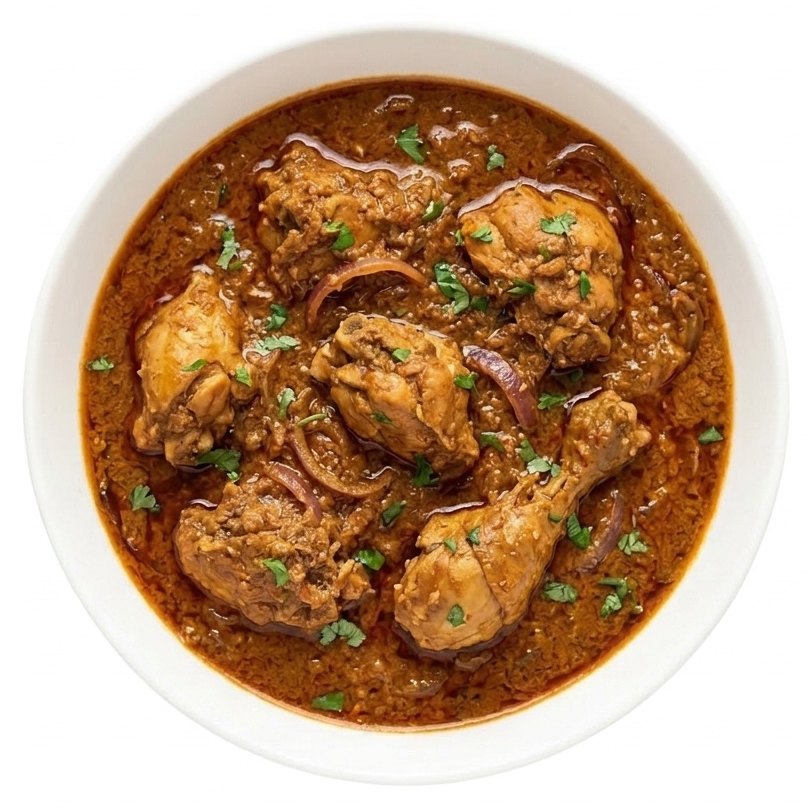
Malwani Chicken Masala
A rich chicken curry thickened with a freshly blended coconut and red onion paste, seasoned with Malwani spices and finished with lemon and coriander. It tastes aromatic, gently spicy and creamy from the coconut.
Asafoetida tempering
0.3 gSizzled in the hot oil before the sliced onion (step 2)Malwani masala
22 gFried with the cooked coconut paste before the chicken goes in (step 4)Everything else

Method
- Blend 150 g red onion, 200 g coconut, 6 g green bird’s eye chilli, 15 g garlic, 10 g fresh ginger and 50 ml water to a thick paste.
- Warm 27 g vegetable oil in a heavy pan over medium heat. Add the asafoetida tempering and let it sizzle for a few seconds, then add 150 g onion. Cook for about 7 minutes over medium heat, stirring now and then, until soft and lightly browned.
- Stir in the coconut paste. Lower the heat and cook for 5–7 minutes, stirring occasionally, until the coconut paste turns pale brown and does not stick.
- Add the Malwani masala and fry for 1 minute. Add 1000 g chicken and cook over medium heat for 3 minutes, turning the pieces so they are coated. Pour in 500 ml water, add salt to taste and mix. Bring to a boil, then cover and simmer gently for 25 minutes, stirring well a couple of times, until the chicken is cooked through. Partly cover and simmer for another 8 minutes.
- Scatter over 30.6 g lemon juice and 3 g coriander leaves.
Don't have something?


 Peanut oil
Use 1:1 by weight. Handles high-heat frying identically and introduces a very subtle, pleasant nuttiness.
 Ghee
Use 1:1 by weight. Yields a much richer, authentic aroma and a glossy, heavier mouthfeel.
 Mustard oil
Use 1:1 by weight. Heat until smoking, then cool slightly before cooking to temper its intensely pungent, sharp mustard kick.


 Garlic powder
Use double the weight. Stir into hot oil just before adding wet ingredients; mimics the allium savoury background without the sulphurous edge.
 Garlic paste
Use 2 g for every 0.5 g of asafoetida. Sauté in oil until the raw smell clears; adds moisture and sweet allium depth.






 Garam masala
Use about 60% of the weight; add ground coconut and a little dried red chilli to move it towards the coastal flavour.
 Chettinad sambhar powder
Use about 75% of the weight; hotter and more peppery, so taste as you go.
 Parsi curry spice mix
Use about 75% of the weight; deeper and sweeter, good with lamb or fish.


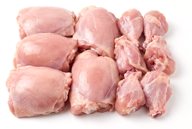
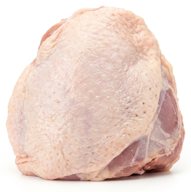 Turkey thigh
Use 100% of the weight, cut into equivalent bone-in or boneless pieces. Simmer for an extra 5 to 10 minutes; flavour and texture are very similar.
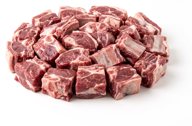 Lamb
Use 100% of the weight. Cut into bite-sized pieces and extend simmering time by 35 to 50 minutes, adding extra liquid to allow the meat to tenderise.
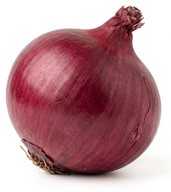
- Onion
Use the same weight; cook a little longer. Milder and less sweet when raw.
 Shallot
Use the same weight; sweeter and softer, so reduce cooking time slightly.
 Spring onion
Use only the white parts, weight for weight, for raw or quick-cooked dishes; green parts are too grassy for long cooking.

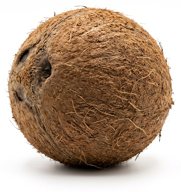
 Fresh coconut
Use equal weight freshly grated or diced. Delivers the identical sweet, milky taste and juicy texture.
 Desiccated coconut
Use 60% of the weight and soak in hot water or milk for 15 minutes before using. The finished dish will be slightly sweeter and less fibrous.
 Dried coconut
Finely grate and use 50% of the weight, soaked in hot water for 20 minutes. Yields a firmer chew and a denser, oilier coconut aroma.


- Bird's eye green chilli
Use the same weight; heat and flavour are very close.
 Green chilli
Use 1.5 to 2 times the weight; deseed for less heat. Larger chillies are more watery.
 Fresh green chilli
Use 1.5 to 2 times the weight; chop finely and adjust heat by tasting.


- Garlic paste
Use equal weight. Fry gently in oil or ghee with the ginger; incorporates smoothly into curries without visible minced bits.
- Garlic powder
Use 15% to 20% of the weight (about 1 g for every 5 to 6 g fresh cloves). Whisk into sauces; gives a savoury, toasted garlic flavour without raw pungency.
- Shallot
Use 1.5 times the weight, very finely minced. Sauté until golden; provides savoury allium sweetness, though it lacks garlic's pungent sulphur bite.


 Ginger paste
Use equal weight. Sauté in hot fat until the raw allium smell disappears; slightly wetter, but provides identical warmth and pungency.
 Ground ginger
Use 20% to 25% of the weight (1 g for every 4 to 5 g fresh). Stir into the gravy; adds peppery heat and warmth, though it misses the crisp, zesty kick of raw root.


 Lime juice
Use equal volume or weight; delivers almost identical sharp acidity with a faintly more aromatic, bitter-edged profile.
 Dried mango powder
Use 25% of the weight (about 1 g amchoor for 4 g juice); provides clean fruity tartness without thinning the sauce.
 White vinegar
Use 75% of the volume; gives direct sourness without any citrus floral fragrance.


 Coriander (cilantro) or basil
Use the same weight, choosing the coriander element if available. If only basil is available, expect a sweeter, more aniseed flavour.
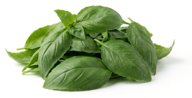 Basil leaves
Use the same weight. Basil is sweeter and more aromatic in a different way; add near the end so it keeps its perfume.
 Coriander paste
Use 1.5 times the weight and reduce other liquid slightly; it is less fresh and more concentrated, so taste before adding more.


Similar dishes

- Same: Caril de Galinha and this dish are both chicken curries made with coconut, onion, garlic, ginger, green chilli, vegetable oil and salt.
- Different: Caril de Galinha uses coconut milk, coconut cream, tamarind extract, uncooked rice, dried Kashmiri chilli, cumin seed, coriander seeds, poppy seed and turmeric, while this dish uses Malwani masala, asafoetida, red onion, lemon juice and coriander leaves.

- Same: Kondapur Koli Thalna shares chicken, lemon juice, onion, garlic, coconut and salt with this dish.
- Different: Kondapur Koli Thalna uses chicken legs, ghee, dried red chilli, coriander seeds, black peppercorn, fenugreek, turmeric, coconut milk and coconut cream, and shallow-fries the chicken, while this dish uses vegetable oil, asafoetida, Malwani masala, green bird’s eye chilli, fresh ginger and a blended coconut-red onion paste to simmer the chicken.

- Same: Goan Caril de Galinha shares with this dish a chicken curry base of vegetable oil, onion, garlic, ginger, fresh coconut and coriander.
- Different: Goan Caril de Galinha uses tamarind paste and coconut milk with turmeric, black peppercorn and dried Kashmiri chilli, and lacks this dish's asafoetida, Malwani masala, lemon juice and blended coconut-red onion paste.

- Same: Keralan Kozhi Kuttan shares chicken, onion, green bird’s eye chilli, ginger, garlic and vegetable oil with this dish.
- Different: It uses a yoghurt marinade, tomatoes, thick coconut milk and a fried spice paste with coriander seeds, Kashmiri chilli, fennel, peppercorn, cassia and cardamom, while this dish uses a blended coconut and red onion paste, Malwani masala, asafoetida and lemon juice.